Menu
The “Dollar Smile” has stopped working: why the old theory no longer explains the US dollar’s exchange rate.
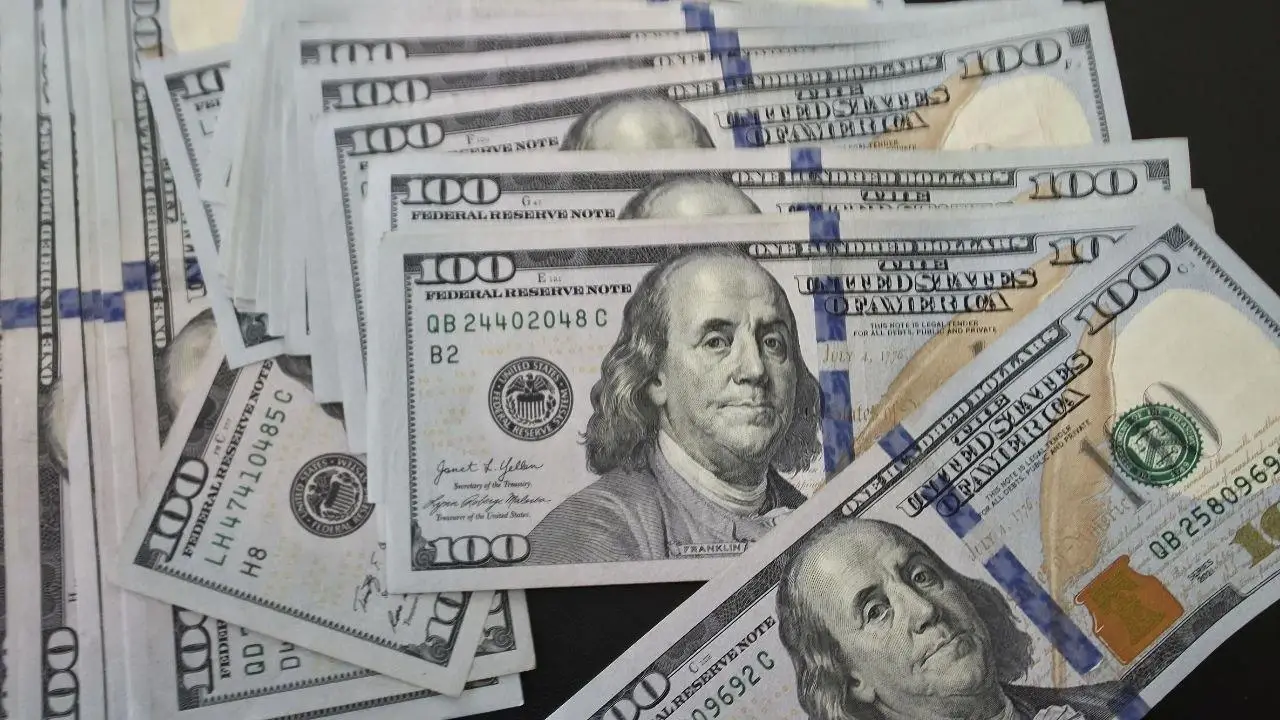
For decades, currency strategists have relied on a simple model called the “dollar smile.”
According to it, the dollar strengthens in two opposite scenarios: when the U.S. economy grows faster than any other in the world, and when the global economy is in crisis and investors flee to safe assets.
The dollar weakens only in one case—when global growth accelerates while the United States lags behind.
In 2026, this model broke down.
The dollar is falling despite the war in the Middle East, record levels of public debt, and trade conflicts. Analysts are trying to understand what has replaced the old theory—and what it means for everyone holding dollars.
The term “dollar smile” was coined by economist Steven Jen in the early 2000s.
The model describes three scenarios that determine the exchange rate of the U.S. dollar.
The left side of the smile is a global crisis. When panic grips the world, investors flee to the dollar as a safe haven. This strengthens the U.S. currency even if the American economy itself is suffering.
The right side of the smile is a U.S. economy growing faster than all others. When the United States becomes the engine of global growth, capital from around the world flows into American assets. That also strengthens the
Analysts offer various explanations for what is happening. One hypothesis is that the “dollar smile” has turned into a “slanted line.” The dollar now depends less on global risk sentiment and more on capital flows into the technology sector.
When U.S. AI companies attract capital, the dollar strengthens. When that flow dries up, the dollar weakens. This explains why the dollar fell in August 2026, when markets began to doubt the sustainability of AI assets.
Another hypothesis is that the dollar has become a hostage of fiscal policy. Previously investors ignored rising government debt because they believed in “American exceptionalism.” Now that belief has weakened, and the dollar reacts to budget risks in the same way emerging‑market currencies would.
The third hypothesis is that the world is moving toward a multipolar currency system, and the dollar is losing its status as the “only safe haven.” Investors are increasingly looking at gold, the yen, and even the yuan as alternatives. This blurs the “smile” and makes the dollar’s exchange rate more dependent on a multitude of factors.
What this means for the ordinary person
The break of the “dollar smile” is not an abstract theory. It means that the U.S. currency’s exchange rate has become less predictable. Previously one could