Menu
Warm Welcome in the Countryside: How OAO "Golovenchitsy" Helps Young Specialists Settle In
A Warm Welcome in the Countryside: How OAO "Golovenchitsy" Helps Young Professionals Settle In
zilmogilev.by
3 September 2026 11:17
 Republican Holiday XXXIII Day of Belarusian Written Language
This autumn, the labor geography of the Mogilev Region will take on fresh hues: more than 4,300 young professionals are arriving at their first workplaces here. These are not just numbers in reports — they are thousands of starts to a long journey.
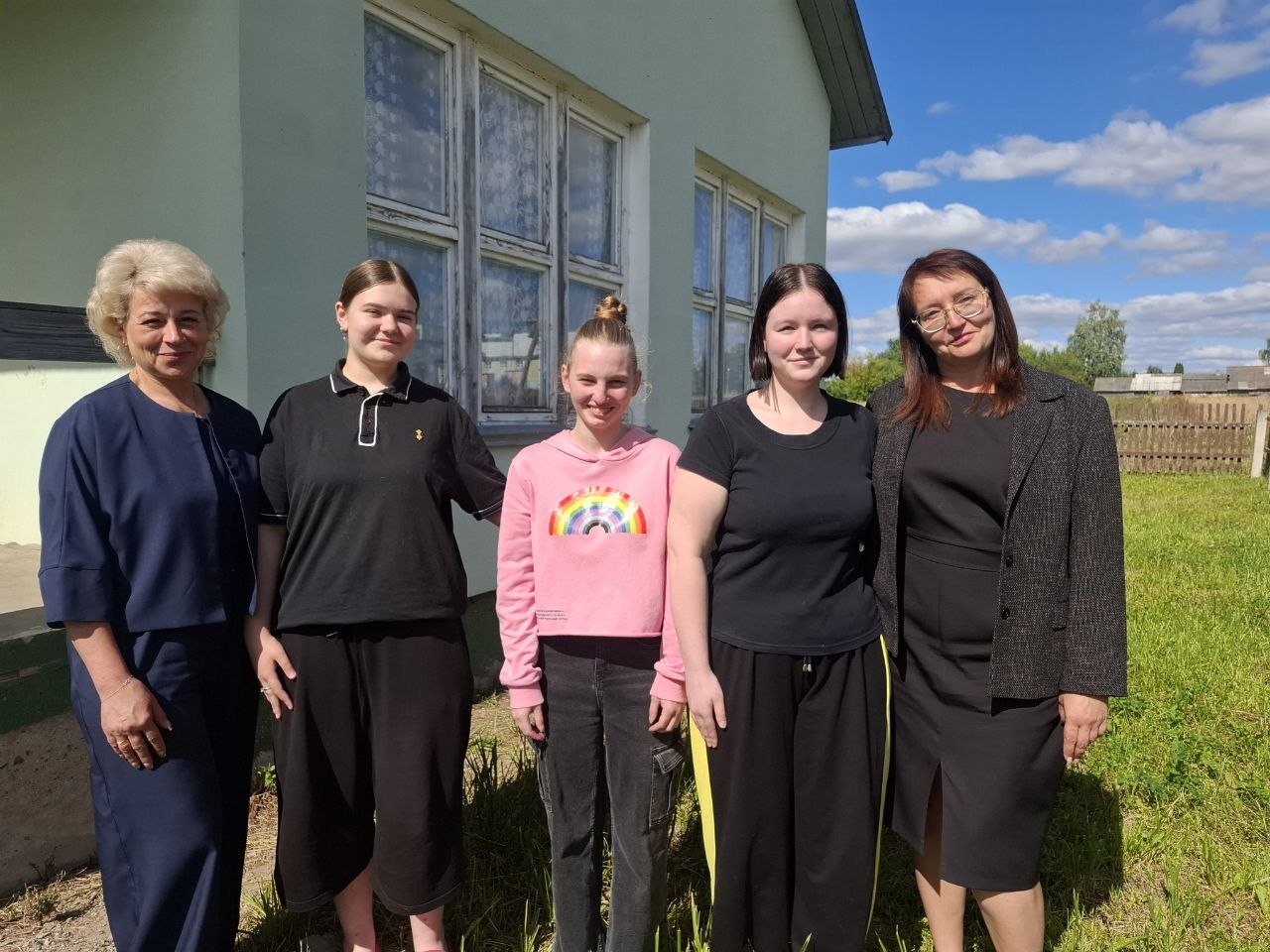
The influx of fresh strength at new workplaces is felt in every district of the Dnieper region. Recently, our path led through the expanses of Chaussky District, straight to OAO "Golovenchitsy." Here, five young professionals have joined the working routine. Among them are two accountants, a veterinary paramedic, and two tractor drivers/machine operators.
At "Golovenchitsy," newcomers are treated as their own — with warmth and care. The accountants are looked after by chief accountant Vera Lazarkova, a true mentor for whom passing on experience is akin to an art. She is convinced: professionalism is a matter of practice; the main thing is that a person has an inner spark of desire to learn. Young people are supported here in all their endeavors.
Young accountants Karina Palashchuk and Polina Efimova now call the agro-town of Ustye home. For Karina, a native of Tyomny Les in Dribinsky District, the rural way of life is something familiar and dear, since her parents also tied their lives to the land. A graduate of the Mstislavl State Construction College, she admits: at first, in the initial weeks, it was unfamiliar, and doubts arose. But the support of colleagues did its job — adaptation went smoothly. Now her day is clearly scheduled: wake-up at seven in the morning, and by eight she is already at her post, where work hums at a steady rhythm until five in the afternoon, interspersed with a lunch break.
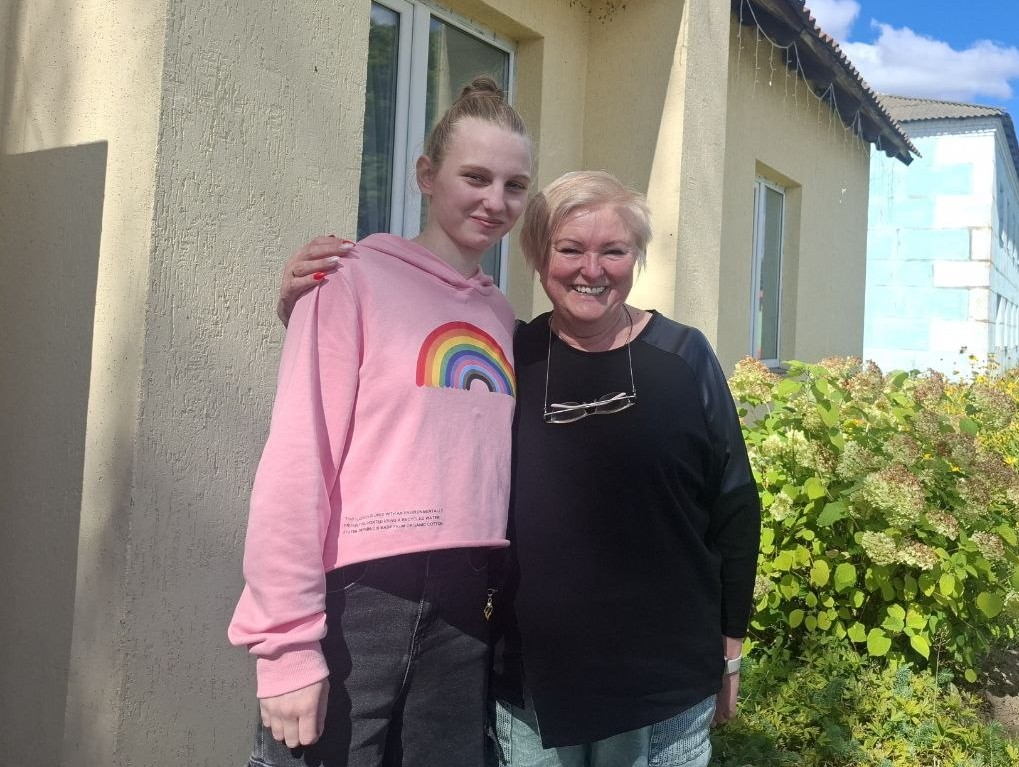 Her colleague Polina Efimova, a graduate of the Mogilev State Economic Industrial-Technological College, came to the farm on a targeted assignment. She was entrusted with a serious area of responsibility: bookkeeping calculations and reports for crop production, as well as the cash desk. But this fragile girl remarkably combines accounting rigor with a creative spirit. In her free time away from numbers, Polina spends her days in an engaging way: she puts together detailed paint-by-numbers pictures, creates diamond mosaics, and assembles complex Lego sets. And when she wants something truly special, she picks up a ukulele, a guitar, a flute, or a harmonica. As for the agro-town itself, there's no time to be bored: a local club and a gym are available for young people.
Meanwhile, a different life is in full swing at the farms. Anastasia Daineko, who came to Chausy from the distant Pinsk in the Brest Region, is a true "Doctor Dolittle" of the agricultural front. A graduate of the Klimovichi State Agricultural College, she has taken several dairy farms under her care. Her daily routine includes not only the treatment of cattle and disease prevention, but also responsible assistance during calving, where every minute counts.
So that the young people would feel not like temporary visitors but like owners in their new place, they were provided with comfortable housing — a homestead house in the agro-town of Ustye with all urban conveniences, including gas.
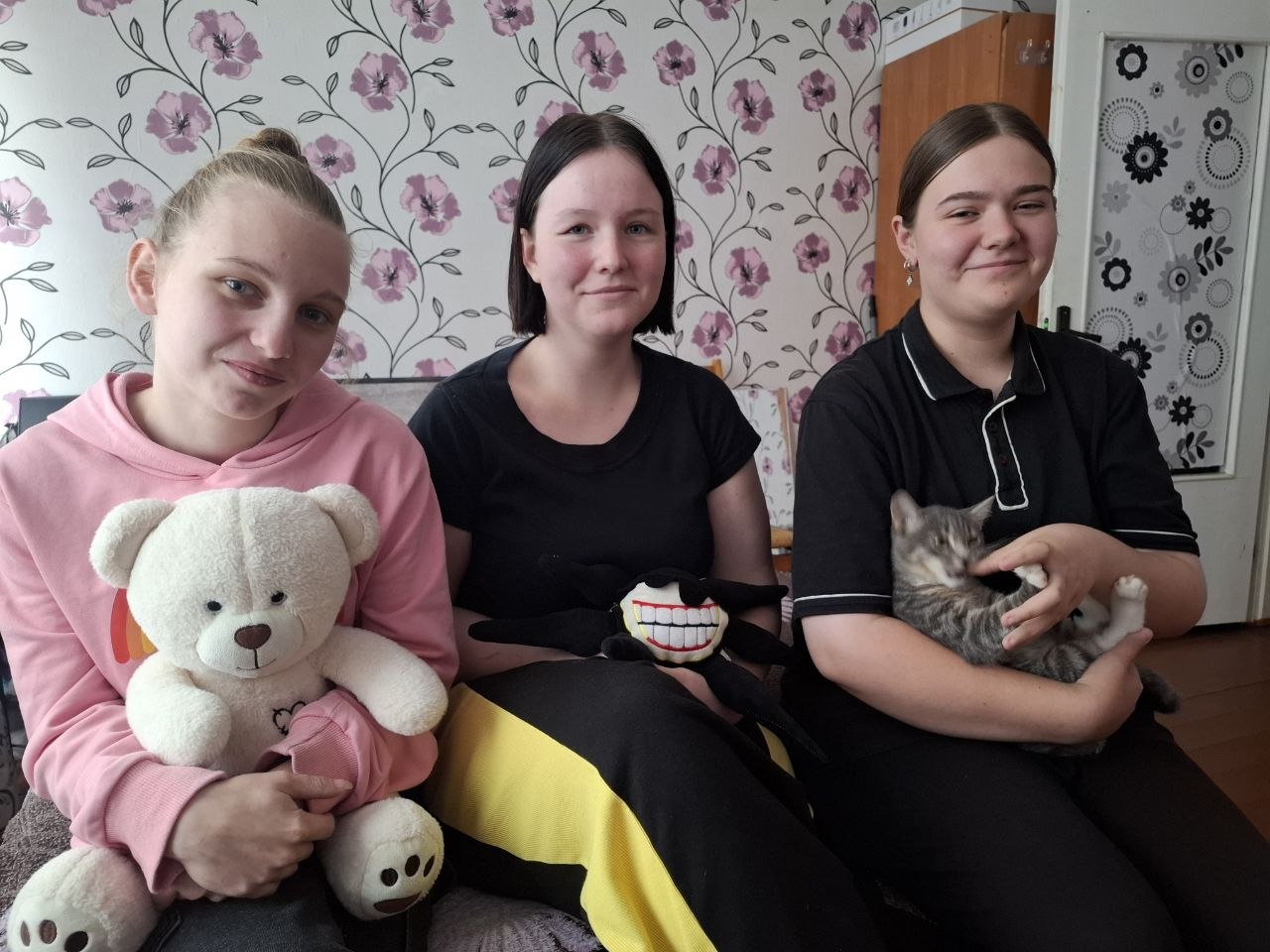 In total, this year the Chausy District has welcomed 22 young specialists into the agricultural sector, and each of them has been provided with decent living conditions. The agricultural enterprises approached the matter of furnishing with love: from new furniture and household appliances to cozy curtains that turn the dwelling into a true home hearth.
According to Irina Anikeenko, head of the ideological work and youth affairs department of the Chausy District Executive Committee, and Svetlana Ryabtseva, leader of the district agricultural trade union, the work on retaining personnel here is bearing fruit. "Golovenchitsy" only confirms the general trend: when conditions are created and there is a humane attitude, specialists stay. A striking example of this is OAO "Sosnovy Bor," where many graduates, having come for their mandatory work placement, fall so deeply in love with the rural rhythm of life that they stay here forever, linking their fate with the local fields and farms.
How the Mogilev region is preparing to welcome a new wave of personnel was described by Tatyana Naumenko, chief specialist of the department for work with mass media and youth policy of the main department for ideological work and youth affairs of the Mogilev regional executive committee.
"As of today, almost 3.9 thousand young specialists have already arrived at organizations in the region to take up their first jobs. By the end of the year, another around 500 people will come here," she noted.
Yesterday's graduates are facing the broadest horizon of opportunities. The range of their interests and competencies covers practically every sphere of life: from culture, sports, and tourism to the complex production chains of the agro-industrial complex, industry, housing and communal services, transport, and construction. This year, judging by professional preferences, a distinctive popularity ranking is taking shape.
"The region has already formed its own top list of spheres that our young specialists choose for themselves. This year, in first place is industry, where almost 1.1 thousand young specialists will be working. In second place is agriculture. The ranks of agrarian workers will be joined by almost 650 people. Closing the top three is healthcare — here around 600 people will come to their first jobs," Tatyana Naumenko said.
The foundation of a successful start is care about everyday living. A reliable support system has been built in the region that helps newly minted employees not only integrate into the work process but also feel comfortable outside the walls of their organization.
"In our region, monitoring groups have been set up that keep track of living conditions. Before the arrival of young specialists, they inspect the housing. Representatives of the regional executive committee, the local vertical of government, trade unions, and the youth organization are part of such groups," Tatyana Naumenko listed. "In addition, these groups keep close control over working conditions as well. Clear coordination with the management of enterprises and organizations has been arranged for this. And if any shortcomings are identified, they are pointed out and quickly eliminated."
The question of providing a roof over one's head remains an important component of everyday comfort. Rental housing and cozy dormitories become many people's first home of their own. However, to ensure that the professional debut goes smoothly, the region has also thought through the psychological aspect of adaptation. Enterprise managers have been offered detailed recommendations — a kind of navigator for working with personnel.
"This is a proven algorithm that allows a leader to assess how ready an organization is to welcome young professionals. In addition, it offers practical advice on how to help a new employee adapt to a new workplace, get to know the team, and build friendships," shared Tatyana Naumenko. "Our main task is to make sure that a young person doesn't just come, work, and leave, but becomes part of the team, finds their calling, starts a family in the future, and stays in our region."
A welcome trend of recent years: more and more young people are consciously choosing their home regions as the starting point for their careers. They return to places where they know every turn and every street, striving to make their small homeland better.
To ensure that the talents of young people don't remain in the shadows, a mechanism of direct dialogue operates in the districts. Monthly meetings with the heads of district executive committees turn into brainstorming sessions where ideas capable of changing the face of towns and villages are discussed.
"Not a single problem, not a single proposal goes unnoticed. Just from January to July of this year, young people have already proposed more than 50 ideas. Cultural and sports events, excursions and trips, new holidays and festivals, landscaping and the creation of new recreational facilities — the young people have plenty of ideas. And much of what they propose is being brought to life. This is also an important element of their development — they are seen, they are heard, and their ideas are supported," she concluded.
Elvira STAROVOITOVAPHOTO by the author
Tags: Society, Agriculture