Menu
September Gardening Tasks: Sorting Seeds, Planting Bulbs, and Preparing Plants for Winter
September Garden Work: Sorting Seeds, Planting Bulbs, and Preparing Plants for Winter
zilmogilev.by
September 2, 2026 13:11
 Republican holiday XXXIII Day of Belarusian WritingACCORDING TO THE CLASSICS
In September, it's the perfect time to sort your seeds. Label the seed packets. On each packet, write not only the name and the dates of harvest, but also key words that will later remind you what the fruits looked like and when to sow them. Sorting, labeling, arranging, and drying seeds is now the most important work in your garden plots.
The seeds are packed away in bags, neatly arranged in boxes. But what about the tubers and bulbs? You dug them up in summer and dried them, and now you've selected the very best ones and sorted them out. In September, and only in September, they need to be planted. That way, early next spring, you'll get that vivid splendor of early bloomers that brings such joy after a long, dreary, cold winter.
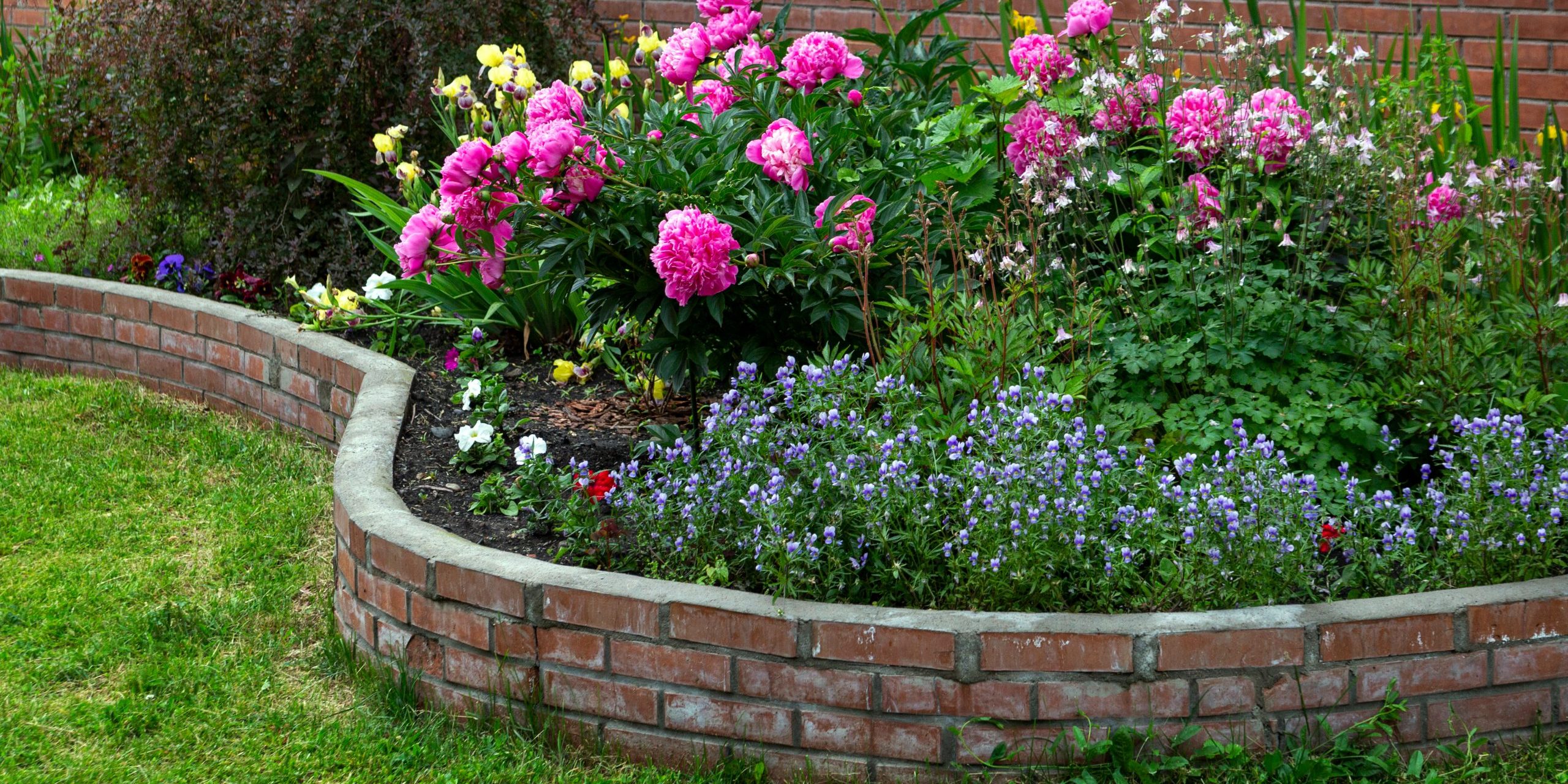
Many people leave bulbous plants without digging them up, and then in spring they're surprised that they've thinned out, the flower beds have become unsightly, with bald patches. Bulbs should be dug up for another reason as well: they bury themselves, sinking deeper into the soil. After all, in their natural habitat the wind blows the soil away, but in your garden this property works against them. Before planting the bulbs, you need to prepare the site and the soil. Planting is generally done in raised, well-drained beds with neutral or slightly alkaline soil. Apply complex mineral fertilizers to the soil. It's a good idea to add ash mixed with sand to the bed. It's best to use river sand for this. A bed in front of the house looks beautiful. But not an ordinary one, with straight edges as usual — make it oval.
NO SHARP CORNERS
In recent years, the tradition of feng shui, which rejects sharp corners — especially in the vegetable garden and flower bed — has been gaining more and more popularity. Draw a beautiful oval of a raised bed on paper first, then create such a bed by framing it with a small woven fence, bricks, or another material that, together with the flowering plants, will create that unique beauty that spring flowers bring us. It's worth thinking about color combinations as well. Squills are blue, grape hyacinths are dark blue, daffodils are yellow, and tulips come in a wide variety of colors.
If you want contrasts and beautiful combinations, take into account the height of the plants and their color. With this in mind, plan out the plantings on your diagram. Later, in spring, this will help you enormously in identifying both your successes and your mistakes when you see the results of your labor.
Finally, everything is done: the bed is ready for planting. Soak the bulbs for 30 minutes in a manganese solution and set them out.
At the beginning of the month, plant small bulbs; in the middle, it's time for the larger narcissus bulbs; and at the end of the month — tulips.
September also marks the completion of planting ornamental perennials. For those that have taken root well and haven't been transplanted, you need to trim the flower stalks and foliage down to the root, be sure to weed thoroughly, and mulch with peat and well-rotted manure. The layer of this mixture should be no more than 3 cm. For late-rose varieties, don't cut off the flower stalks. This will reduce their ability to produce young shoots that won't have time to lignify with the arrival of cold weather.
FROSTS DON'T SCARE THEM
Your garden is still very colorful: bright rudbeckias, chrysanthemums, dahlias, annual and perennial asters are in bloom; the plumes of silver Miscanthus saccharifer shimmer; the splendid sedum opens its pink-red inflorescences — one of the hardiest plants. But the main garden highlight is panicled hydrangea. Cream-colored inflorescences crown the small shoots of this shrub. The branches arch gracefully under the weight of the beautiful flower clusters. Frosts don't scare them.
In September, dahlias are still blooming beautifully. But they already need to be prepared for winter: stop watering them completely.
IT'S NOT TOO LATE YET
Now is the time for intensive gathering of plants for winter bouquets. Although enthusiasts have been collecting them for this purpose all summer. But usually they remember winter bouquets in September. Well, not all is lost yet.
The flowers of panicled hydrangea are very sturdy and decorative. They look stunning in winter bouquets. Gather this beauty.
The bladder-like fruits of physalis are beginning to turn red; honesty (lunaria) takes on a silvery hue. Besides hydrangea, which looks wonderful on its own without any embellishments, Miscanthus looks very beautiful combined with the red lanterns of physalis.
Reminder: flowers should be dried in a dry and warm room.
Tags: Garden and vegetable garden