Menu
Preparing the apple tree for the next year: essential tasks in the garden in September
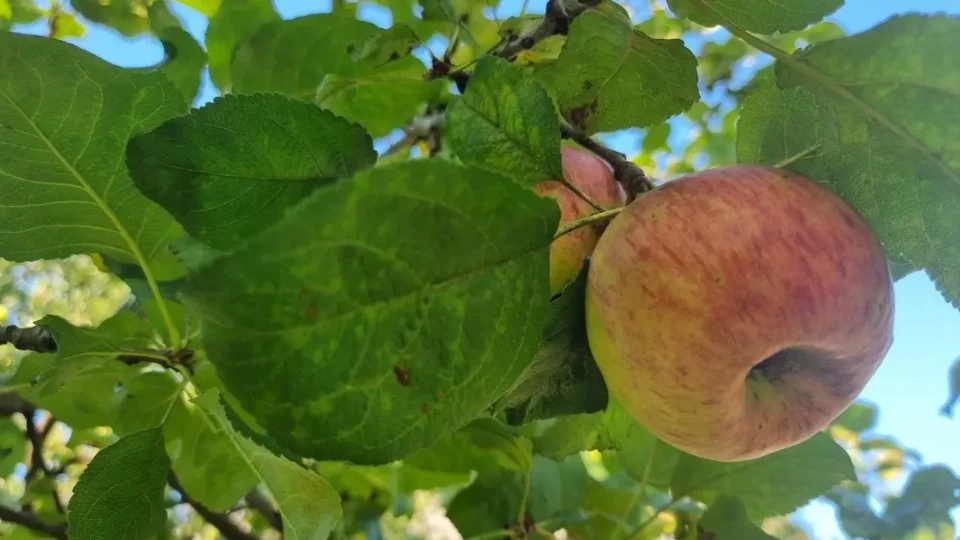
Preparing the apple tree for the next year: essential tasks in the garden in September
Hotimsk, September 7, 2026, 14:29. You’ve picked the last apples and exhaled. You think the season is over. But for the tree, the most important part is just beginning. In September, the apple tree stops spending energy on shoot growth and shifts to accumulating nutrients.
Now the flower buds for the coming year are being formed. If you miss this moment, next season you’ll be harvesting a handful of small, sour apples.
Key points in one minute
Nitrogen in September is strictly prohibited: it stimulates growth of young shoots that will freeze in winter.
Phosphorus and potassium are the basis of autumn fertilization: they help the wood mature, form flower buds, and increase frost resistance.
Watering with a moisture charge—don’t just spray, but water to a depth of 90–100 cm. Fertilizers are applied not under the trunk but along the canopy projection—where the absorbing roots are.
Proper fertilization increases yield from 8–12 kg to 25–28 kg per tree. The difference is between a bucket and a cart of apples.
Remove, to feed
Immediately after harvesting, collect all fallen fruit and debris in the peristalk circle.
Two days before fertilizing, water the soil generously—four to five buckets of water per tree. This prevents the roots from burning from the fertilizers. After the harvest, perform a deep watering. The soil should soak to a depth of 90–100 cm. If possible, water two buckets per day for a week. But only if the autumn is dry. No watering is needed during rains.
Cover to prevent freezing
After fertilizing, mulch the area around the trunk with a 3–4 cm layer of peat or compost. The mulch will retain moisture and protect the roots from frost. Tie the trunks of young trees with twine or netting for the winter to protect them from rodents.
Answers to common questions about September care of apple trees
Can manure be used in autumn under