Menu
The Dollar Paradox: Why Its Share in Reserves Is Falling, Yet It Remains Unbeatable in Trade
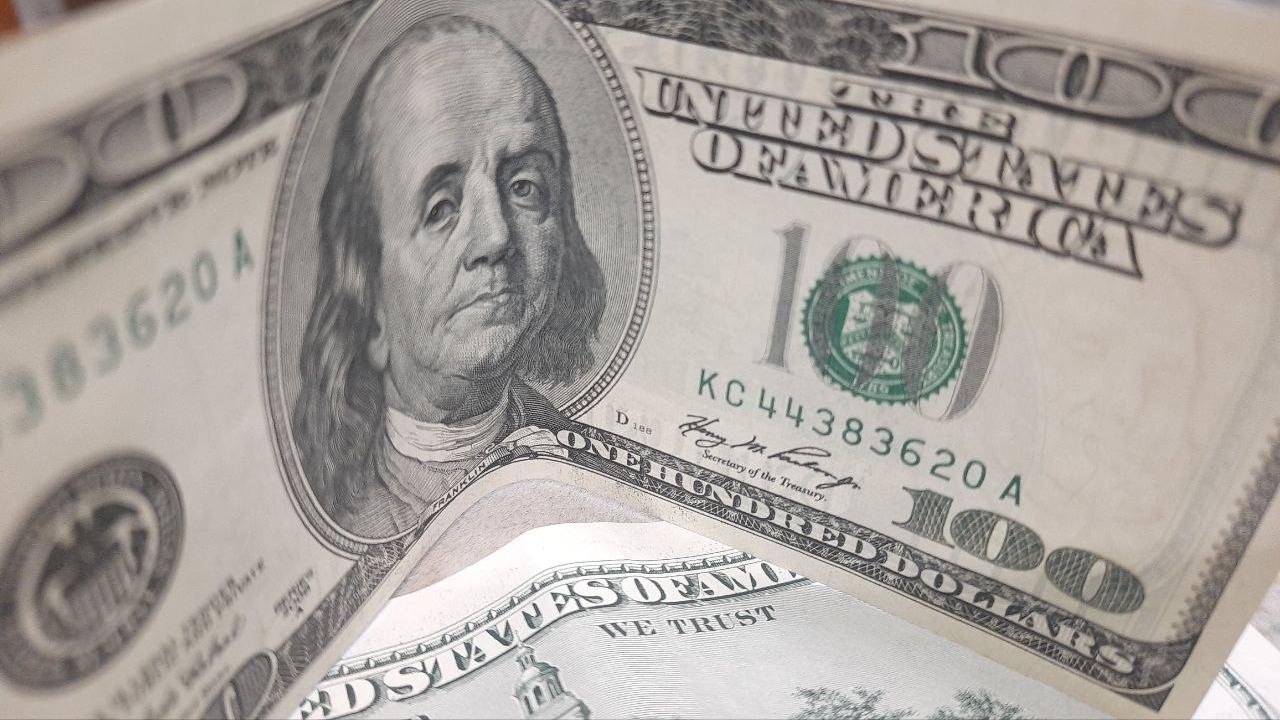
The dollar's share of global reserves fell to 56.92%—a low not seen since 1995. Central banks worldwide are reducing dollar assets and increasing gold holdings. At first glance, de-dollarization is in full swing. Yet there is a paradox: in international trade, the dollar retains a near-monopoly position.
According to Citadel Global, the dollar accounts for approximately $23 trillion in cross-border debt, roughly half of the global volume of international debt securities, 81% of trade financing, and over 50% of the value of SWIFT payments. This suggests that while the world is moving away from the dollar in its reserves, it continues to use it in real transactions. Why is this happening, and what does it mean for the future of the U.S. currency?
Reserves vs. Trade: Two Different Worlds
Reserves and trade represent two different dimensions of a currency's role. In reserves, central banks store their savings. In trade, companies and banks settle payments for goods and services.
In reserves, the dollar is losing ground. Central banks are diversifying their assets, increasing holdings of gold and other currencies. This is a long-term trend that began before 2022 but accelerated after the freezing of Russian reserves.
In trade, the dollar remains invincible. According to Citadel Global, 81% of trade financing is conducted in dollars. This means that when a company in Brazil purchases goods from a company in India, the transaction will most likely be settled in dollars—even though neither party is American.
Why? The reason is network effects. The dollar has become the de facto standard for international trade. Companies use it because everyone else does. This creates a self-reinforcing cycle that is extremely difficult to break.
Why Alternatives Don't Work
The euro and the yuan are the main candidates to challenge the dollar. However, neither can compete with the dollar in trade.
The euro is the second most significant reserve currency, but its share in trade financing is only about 6%. The European bond market is fragmented, and a unified fiscal policy is absent. This limits the euro's attractiveness for international transactions.
The yuan is a rapidly growing currency, but its share in trade financing is less than 2%. China maintains strict capital controls, which restricts the yuan's use outside the country. Additionally, the Chinese bond market is less liquid than the American one.
As HSBC notes, "structural credibility issues are growing, but there are still no alternatives to the dollar." This means that even if central banks are reducing their dollar reserves, companies will continue to use the dollar in trade.
What this means for the dollar
The paradox of reserves and trade has important implications for the dollar. Even if its share in reserves continues to fall, demand for dollars in trade will remain high. This creates steady support for the U.S. currency.
Moreover, trade financing is not just transactions. It is an ecosystem that includes banks, payment systems, insurance companies, and regulators. Restructuring this ecosystem would take decades and require massive investment.
For the dollar, this means it will remain the world’s primary currency for the foreseeable future. Dedollarization in reserves is a slow process that does not overturn the dollar’s dominance in trade.
What this means for the average person
The dollar paradox concerns not only financiers. If the dollar remains the main currency of trade, it means that prices for many goods—from oil to grain—will continue to be quoted in dollars. This sustains demand for the U.S. currency and influences its exchange rate.
For those working in international trade, it means the dollar will remain the chief instrument of settlement. For those holding savings in dollars, it means the dollar will retain its role even as its share in reserves declines.
What comes next
The dollar paradox is not a contradiction but a reflection of the complexity of the global financial system. Reserves and trade are separate worlds, and the dollar dominates in both, albeit in different ways.
In the coming years, the dollar’s share in reserves is likely to keep falling. But its share in trade will remain high. This means the dollar will not lose its status as the world’s main currency—its role will simply become more multifaceted. And that may be the chief lesson of 2026.