Menu
Golden Reserve of Strength: How Belarus Manages Its Assets in the Era of De-Dollarization
Golden Reserve of Strength: How Belarus Manages Assets in the Era of De-Dollarization
shklovinfo September 4, 2026 8:21 The global financial system is undergoing tectonic shifts: the dollar is steadily losing its status as the undisputed "safe-haven currency," while demand for gold is hitting historic records. Against this backdrop, Belarus's international reserve assets have reached new highs, exceeding the $15 billion mark. How does the national "safety cushion" work, and why are Belarusians massively rejecting savings held in foreign currency?
The Foundation of Macrostability
International reserves are not abstract vaults stuffed with banknotes, but a complex, diversified portfolio that includes monetary gold, currency, and bonds of reliable states. Belarus's gold and foreign currency reserves grew by $1.048 billion in August 2026 and, as of September 1, reached $15.243 billion.
In international practice, the key criterion of financial security is considered to be the ability of reserves to cover three months of critical imports. Belarusian assets exceed this benchmark with a solid margin. In practice, this means that even under severe external shocks, the state will be able to uninterruptedly pay for vital imports (raw materials, energy resources, medicines) for more than a year, service its debts, and maintain stability.
But reserves are not dead weight. Investing them in long-term construction projects with a payback period of 5–10 years is unjustifiably risky; however, funds are selectively used for short-term, self-liquidating export contracts. The main task of these assets is to smooth out exchange rate fluctuations on the stock exchange, keep inflation in check, and protect the domestic market.
Gold in the Real Economy
The gold accumulated by the state does not simply sit in vaults — it is actively drawn into domestic circulation. First, the metal is directed to the needs of the domestic jewelry industry and high-tech manufacturing (for example, into the developments of the Academy of Sciences).
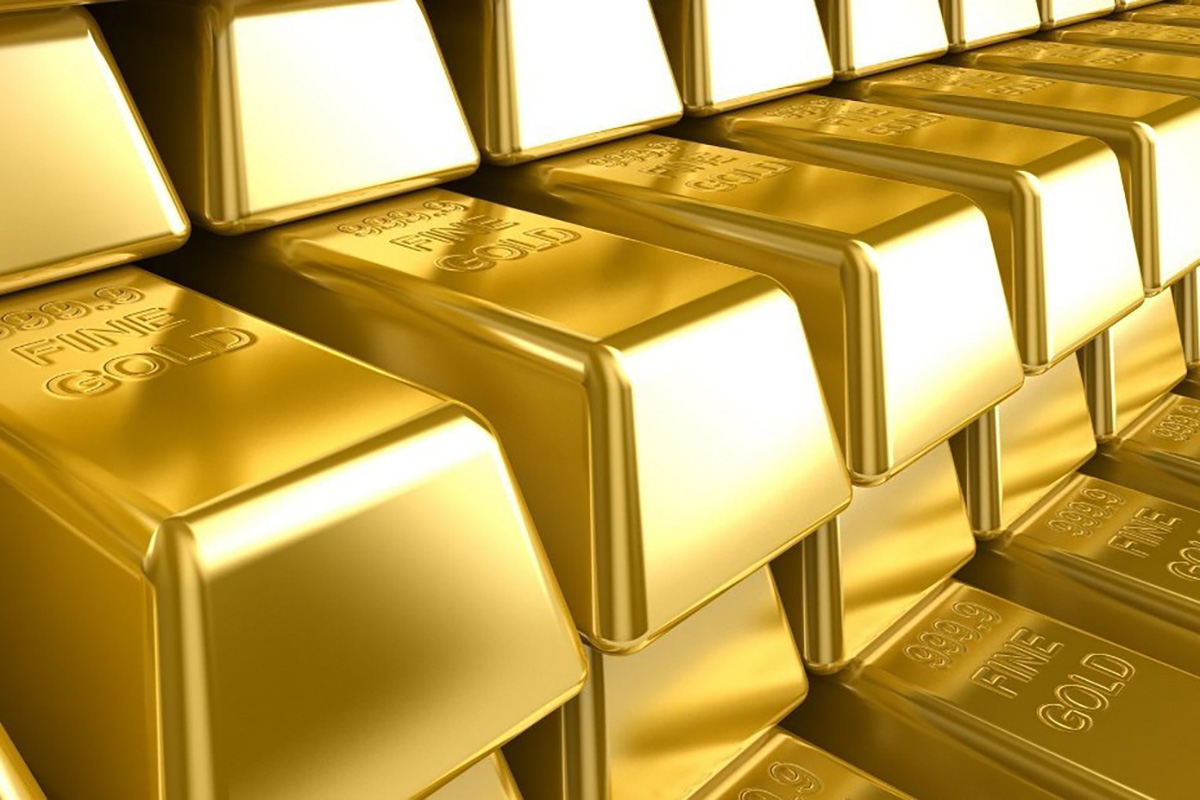
Second, since 2023, the country has successfully operated import-substituting production of measured bullion bars. Since that time, approximately 95,000 bars of gold and silver have been sold to citizens. Precious metal has become an accessible and maximally reliable savings instrument for Belarusians.
De-Dollarization and Digital Illusions
The global world is rapidly moving away from the dollar. Following the precedents of blocking sovereign assets on geopolitical grounds, many countries have realized that storing capital in fiat money is unsafe. Gold, on the other hand, cannot be "printed," devalued, or blocked by sanctions.
This trend is mirrored in Belarus's domestic market. Demand for the euro has dropped to almost zero, as the currency has ceased to be necessary for foreign trade. The population has fundamentally changed its financial habits: out of 25 billion rubles in citizens' bank deposits, more than 70% are now held in the national currency. For the third year in a row, Belarusians have been net sellers of currency, converting their dollar savings into rubles at high interest rates or into gold bars.
Against this backdrop, the question of cryptocurrency's prospects arises. The digitalization of settlements in world trade cannot be ignored, but state finances have no tolerance for speculation. Cryptocurrency remains a volatile asset subject to emotional swings. No conservative regulator would risk the country's strategic stability by investing billions in "digital" assets. The bet is still being placed on a fully liquid resource.
The conclusion is that by increasing the physical volume of gold by almost one and a half times in recent years and building up reserves to 15.2 billion dollars, Belarus has secured for itself a reliable financial shield, which serves as a solid foundation for the sovereign growth of the economy.
Tags Belarus Economy Next news Started working after studies? How to reduce income tax