Menu
Galvanizing and mechanical processing of metal parts according to customer drawings
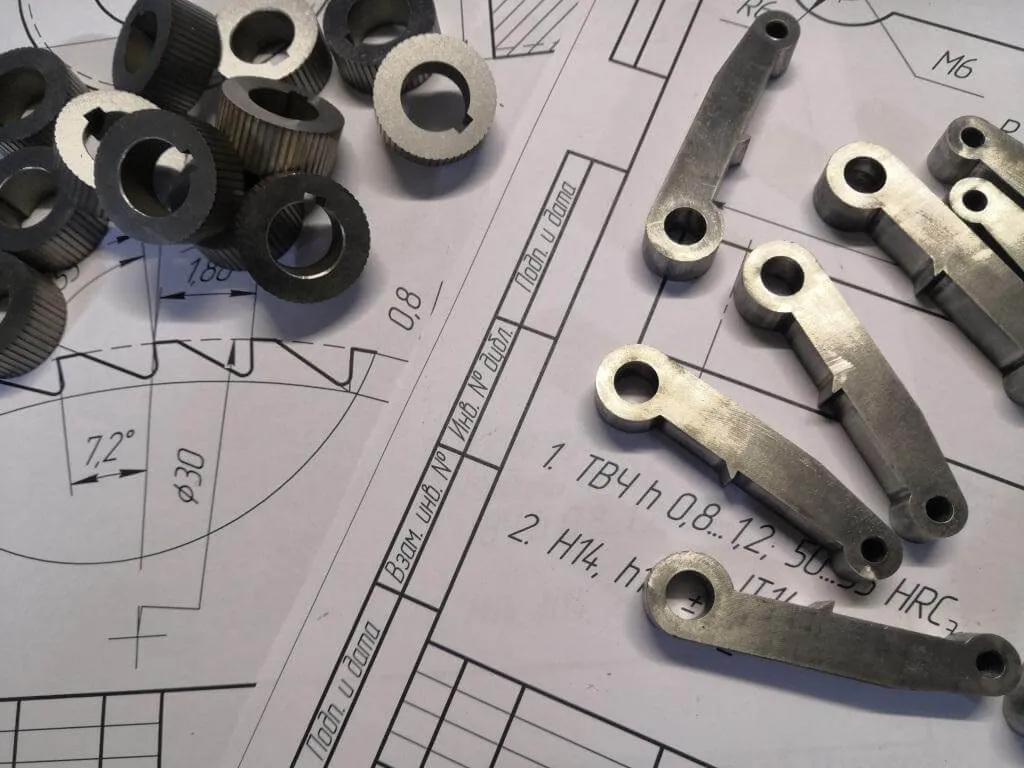
Production of metal parts requires not only precise manufacturing of blanks, but also high-quality finishing. The choice of technology determines the geometry of the product, the metal's resistance to external influences, service life, and compliance with technical documentation requirements. A comprehensive approach allows combining mechanical processing and protective coatings within a single production process.
Mechanical processing of metal parts
Mechanical processing is used to obtain parts with specified dimensions, shape, and surface parameters. Depending on the design and product requirements, turning, milling, drilling, and other technological operations may be used.
Mechanical processing according to customer drawings allows manufacturing parts taking into account specific dimensions, tolerances, materials, and design features. This format is suitable for single-piece production, manufacturing prototype samples, and series batches.
- manufacturing parts according to technical documentation
- processing holes, slots, threaded connections, and surfaces
- compliance with specified dimensions and tolerances
- manufacturing single-piece and series batches
- processing various metal blanks taking into account their properties
Why is galvanic processing needed
After mechanical manufacturing, metal parts may undergo additional surface treatment. The main task of such technologies is to improve the product's operational characteristics and ensure the necessary degree of metal protection.
Galvanic treatment of the product is used to apply a metallic coating by electrochemical means. Depending on the requirements for the part, the coating can serve a protective, decorative, or functional role. It helps increase the surface's resistance to corrosion, environmental exposure, and wear.
The choice of a specific coating depends on the part's purpose, base material, operating conditions, and requirements for the finished product. Therefore, the processing technology is determined already at the production preparation stage.
Manufacturing parts according to drawings
Working with technical documentation allows determining in advance the sequence of operations and requirements for the finished product. The drawing specifies dimensions, tolerances, surface roughness, material, and other parameters that must be considered during production.
When ordering components, it is important to provide an up-to-date version of the drawing and, if necessary, additional technical information. This allows for the correct selection of the processing method and helps avoid discrepancies during the manufacture of a batch.
Complex Approach to Production
Combining mechanical machining with galvanic coating enables the sequential resolution of several production tasks: obtaining a part with the required geometry, ensuring precision fits, and preparing the surface for further operation.
The technological sequence is determined by the design of the product and the characteristics of the material. For some parts, mechanical processing alone is sufficient, while others require additional surface protection. Individual selection of operations helps ensure stable quality for both individual items and serial batches.
What to Consider When Preparing an Order
Before starting production, it is recommended to define the main requirements for the part and pass technical documentation to the contractor. Special attention should be paid to the material, dimensions, tolerances, surface requirements, and type of finish.
A well-drafted technical specification helps align the production technology even before work begins. As a result, finished products meet the design parameters and can be used as part of equipment, mechanisms, and various metal structures.