Menu
"They took money or apartments." We spoke with residents of the private sector, where high-rises will be built.
"They took money or apartments." We spoke with residents of the private sector where the towers will be built
Author: Lora Nagapetyan. Photo: Anastasia Chubenko
Add to main sources Google
Information that skyscrapers will be built within the borders of Maxim Tank and Timiryazev streets (near the "Korona" shopping center) leaked into the information field a couple of months ago. But residents of the private sector, which will be demolished for new construction, have known about this for a long time. In recent years they have been gradually moving out, removing belongings, and last summer they accelerated: houses emptied in a flash, dismantled and turned into dumps. Onliner looked at how they look now and searched for those who still have not left their familiar walls.
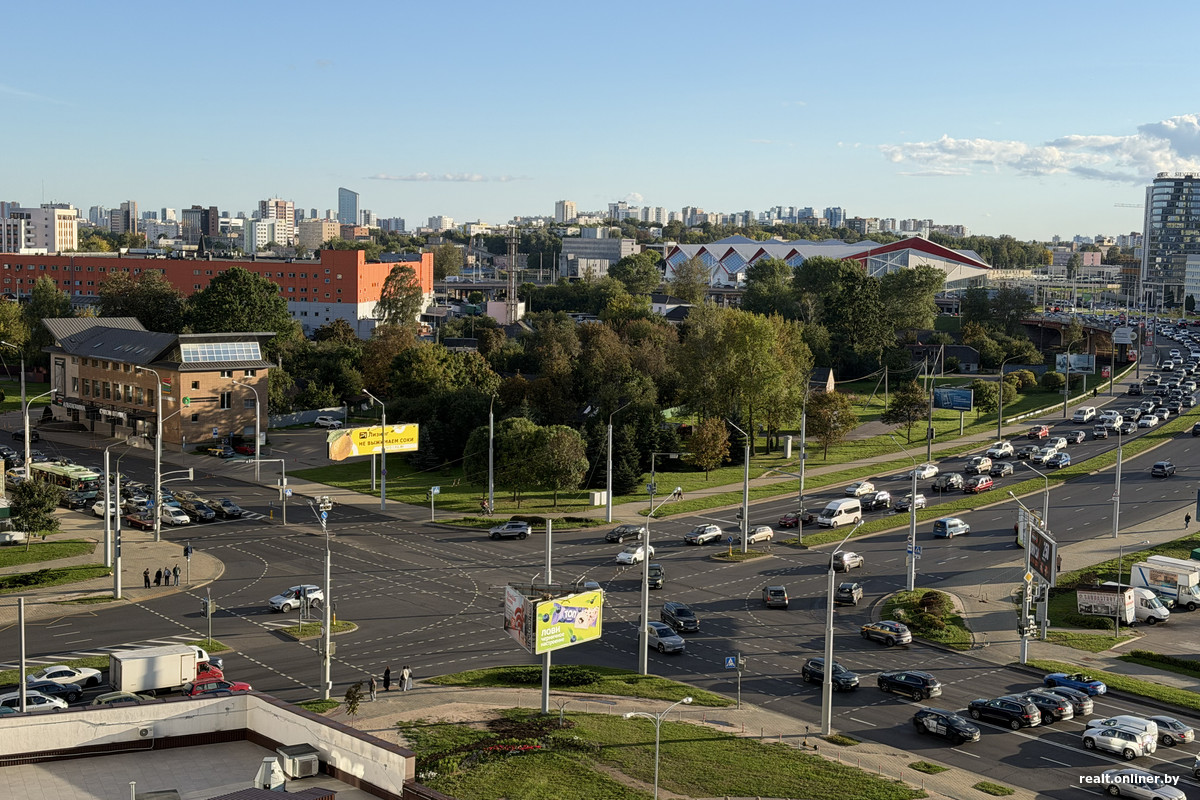
If you look at this piece of the private sector from above, the roofs will not even be visible behind thick green trees. It is immediately clear that human hands have not touched this area for decades.
The houses stand along two roads – a small branch of Maxim Tank street and Slavyany lane.
Around – a busy intersection, a bridge, a railway, modern high‑rise residential buildings and industrial buildings. On one side protrudes the residential complex "Parus", on the other – "Kaskad", "Chaikovskiy", "Stolichny", from the third – houses built in past decades.
Once this green corner was called the "last private sector within the first transport ring of Minsk". In fact, it was a bit larger before; some houses have long been demolished. The remaining will be demolished for some object, about which there is little information yet – only rumors. This is what the author of the Telegram channel "Lithuanian on Housing" wrote about it:
— Here a premium residential complex "Heart of the Capital" will appear. They hint at something fantastic and 50 stories, something like "Moscow‑City".
But you shouldn’t expect sales to start this year, nor next year—unlikely. Renderings, they say, are already available. The investors are domestic businesses. They haven’t launched advertising yet—it's too early. Such large projects aren’t built in a year; there’s no point in “overheating” potential buyers.
Most of the houses are typical examples of wooden architecture: carved window frames, tiled roofs. It’s hard to say exactly when they were built. Locals say it was at the beginning of the last century.
There are also newer buildings and additions that appeared in the 1990s and later. The presence of new dwellings can be easily explained: they were, as a rule, added to old houses as part of reconstruction (when demolition was still far away and reconstruction was permitted).
So, what’s actually happening on the future construction site? Some houses have been demolished to the foundation, others stand with nailed windows, and some have lost their fences. Why? A young man who had been doing some work on his former courtyard explained it, but he asked not to show his face.
— We were told that the owners of the houses could remove windows and other valuable building materials to sell them in time, — says Igor. — That’s why almost all houses are left without windows. They are quickly taken away from resale sites.
The young man spent his childhood here, went to school, but as soon as the opportunity arose, he built an apartment and moved out. He only visited his parents occasionally, and now he helps with moving. He has no regrets about the lost family nest.
Not only windows were taken into account. One of the houses was almost entirely sold off as “spare parts,” and you can easily see how it looks inside.
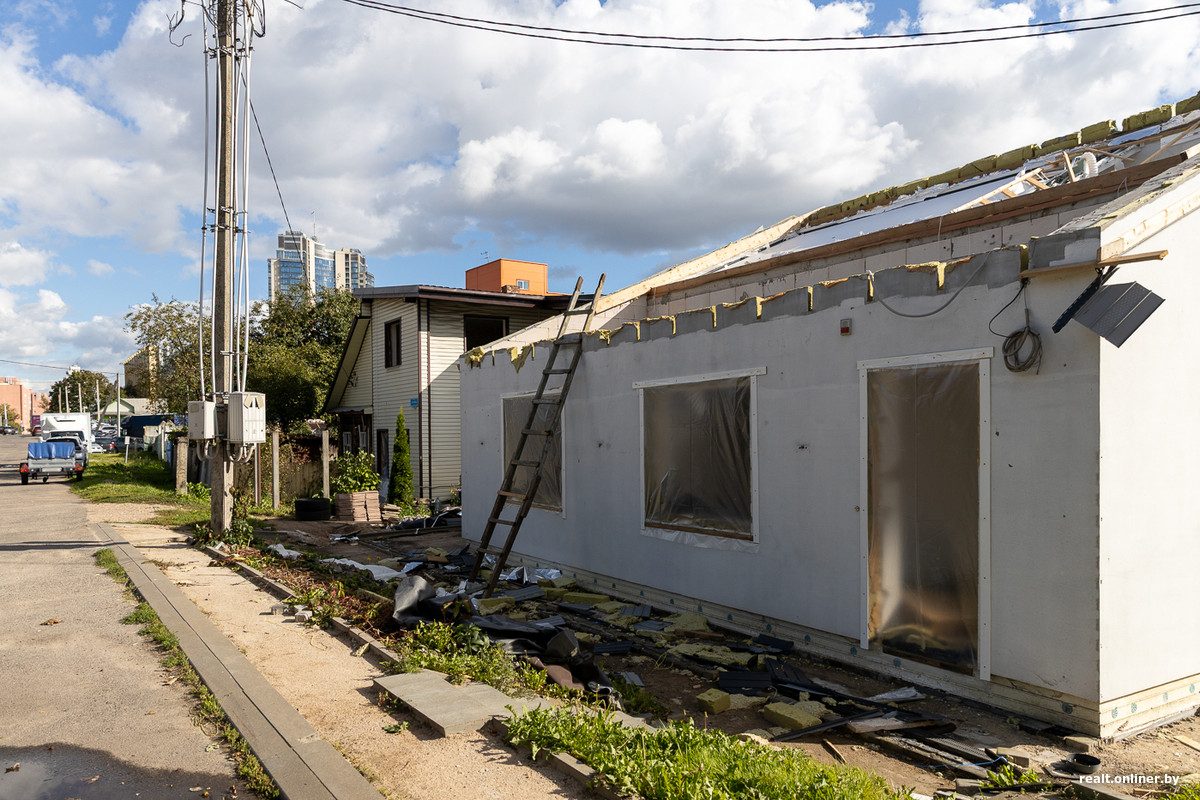
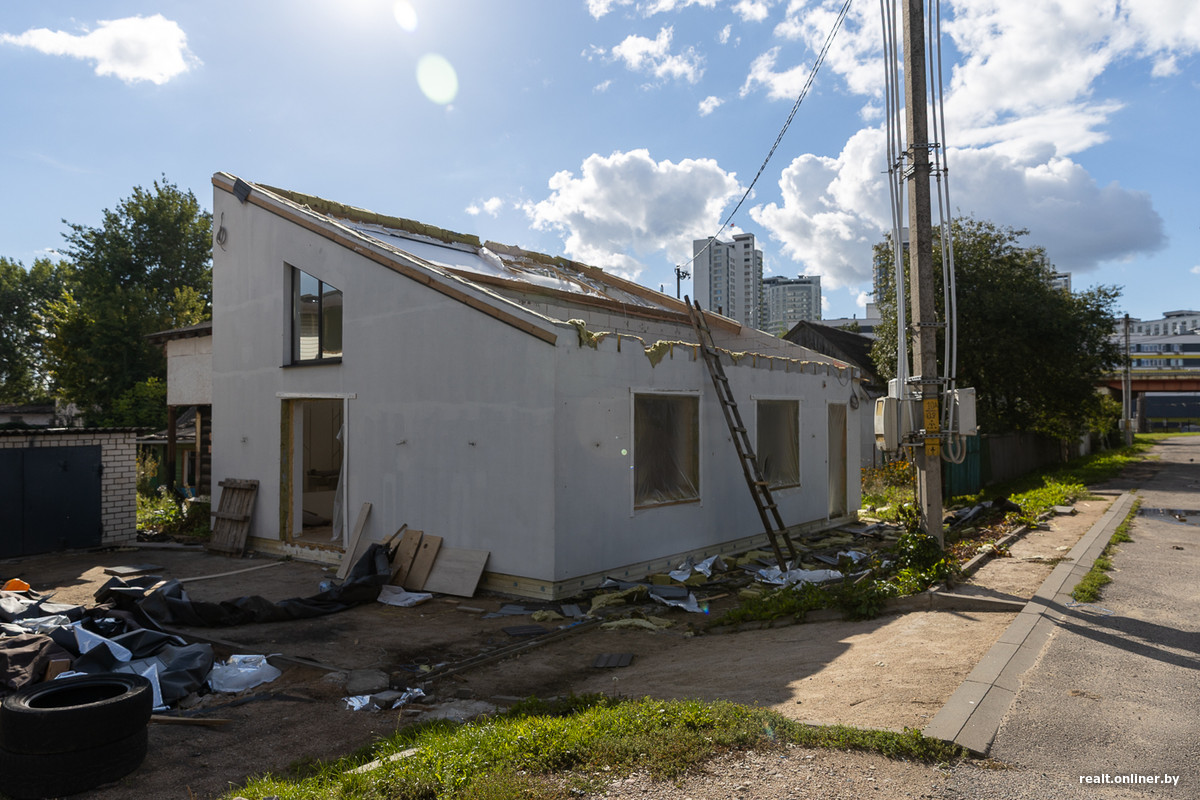
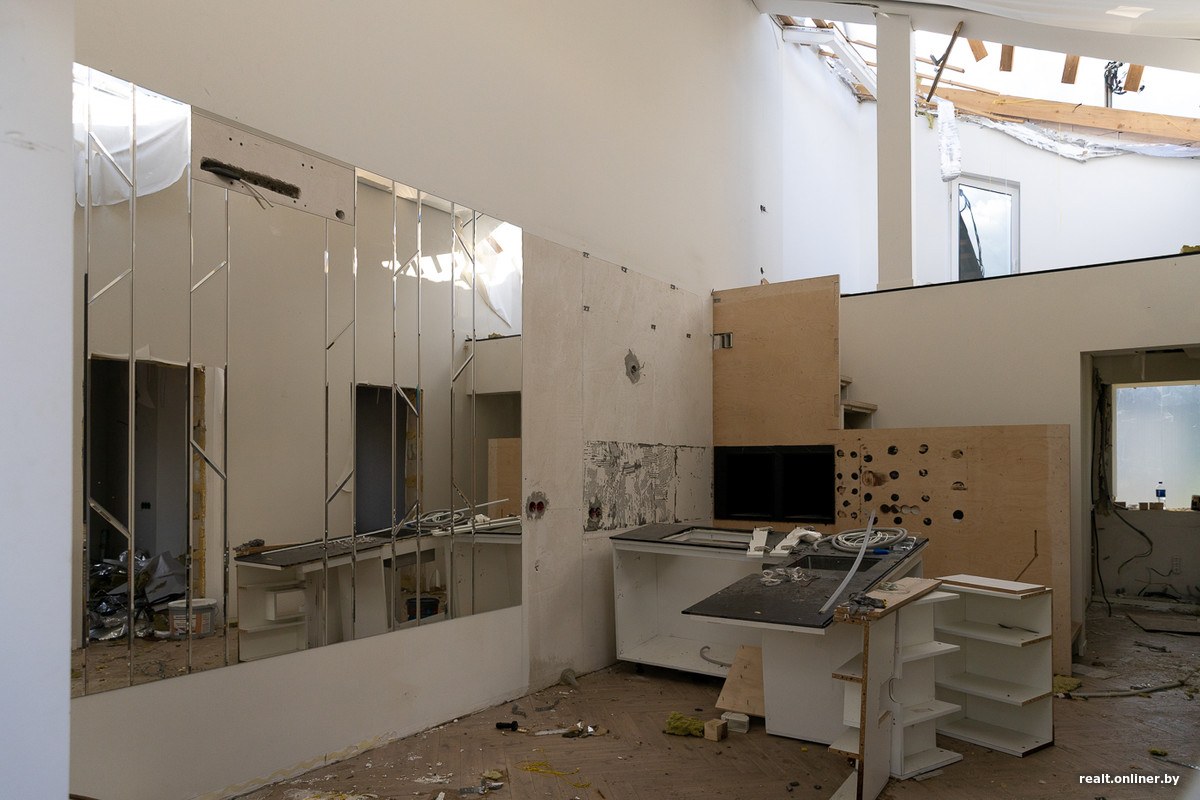
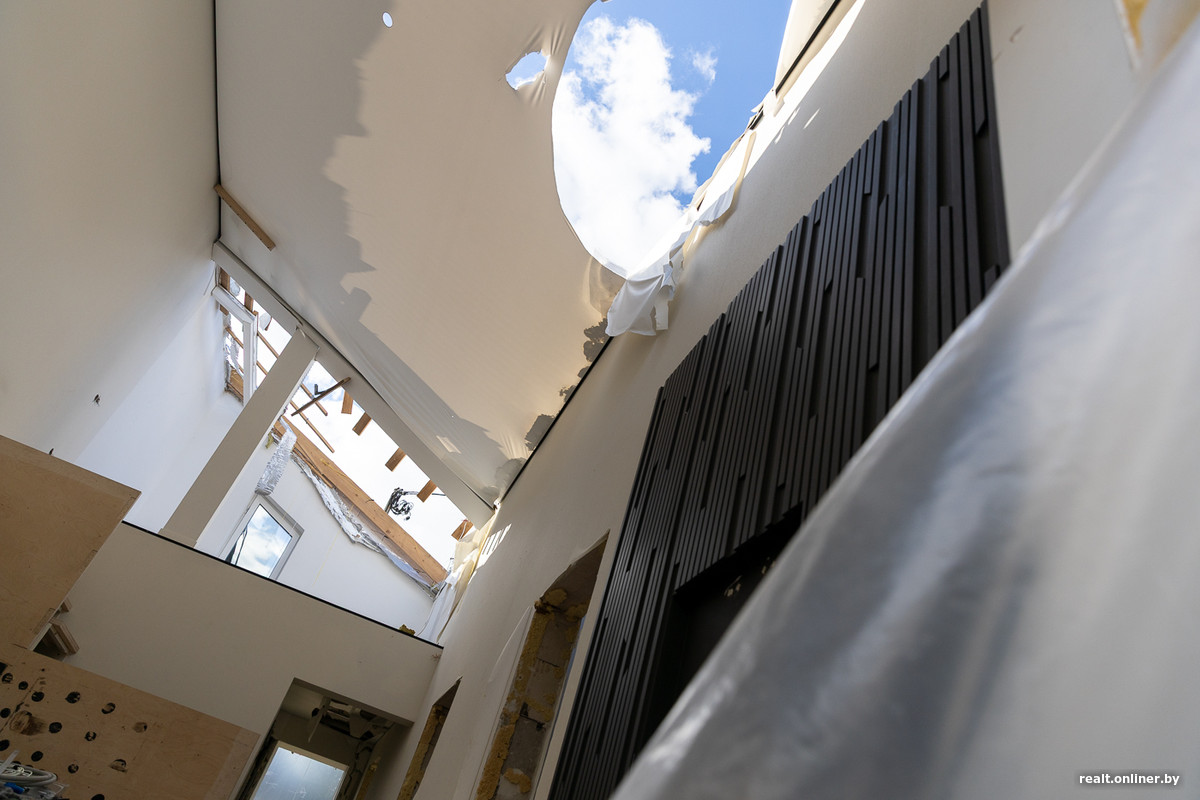
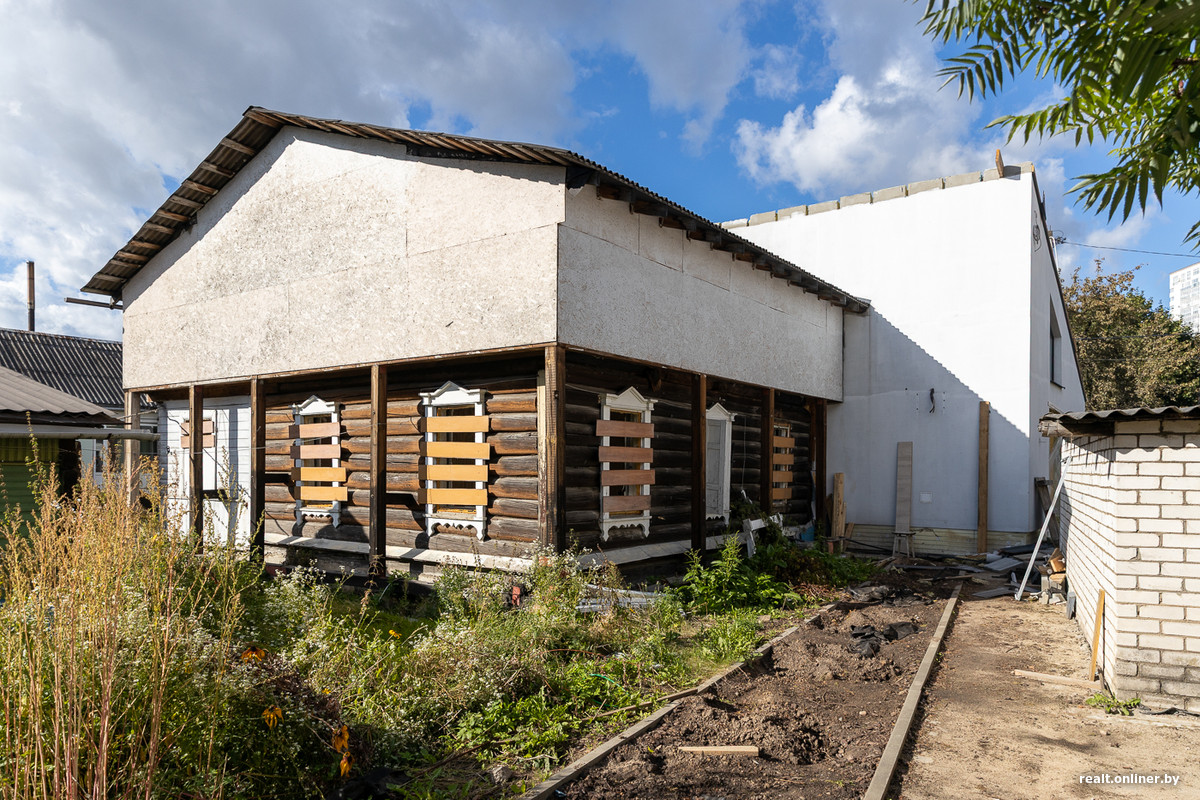
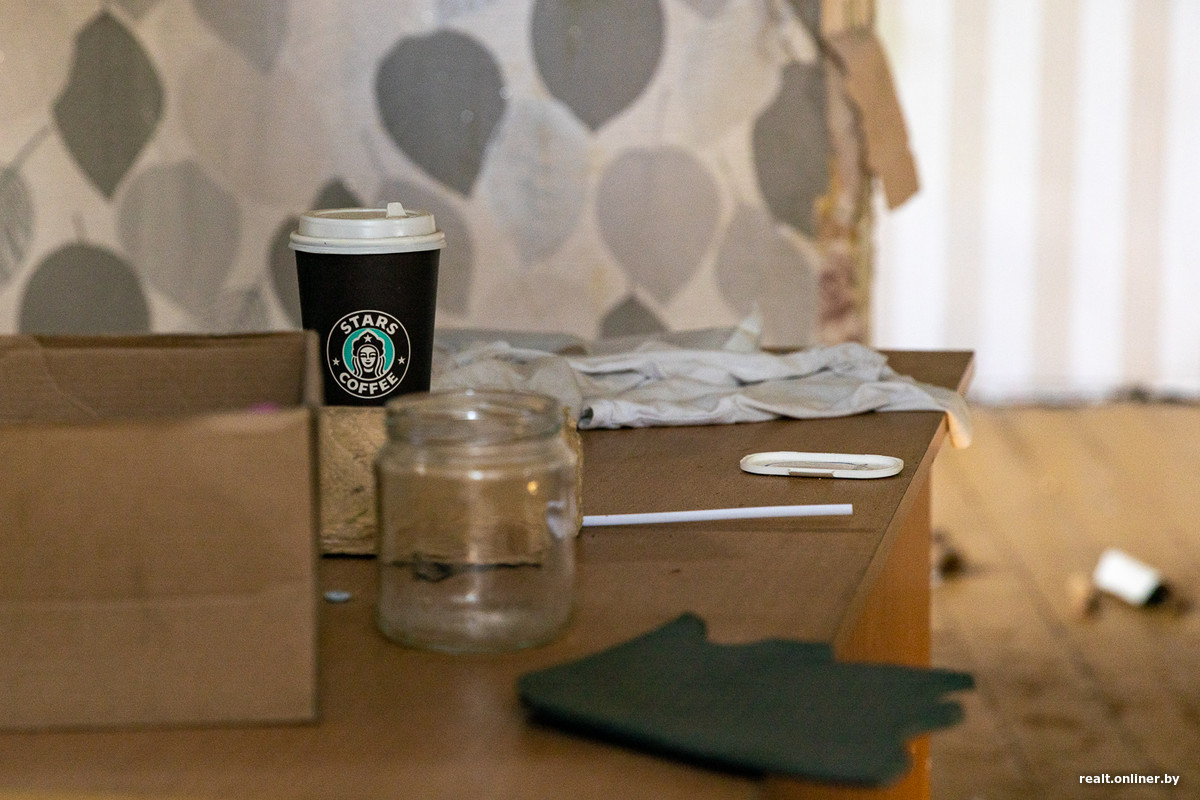
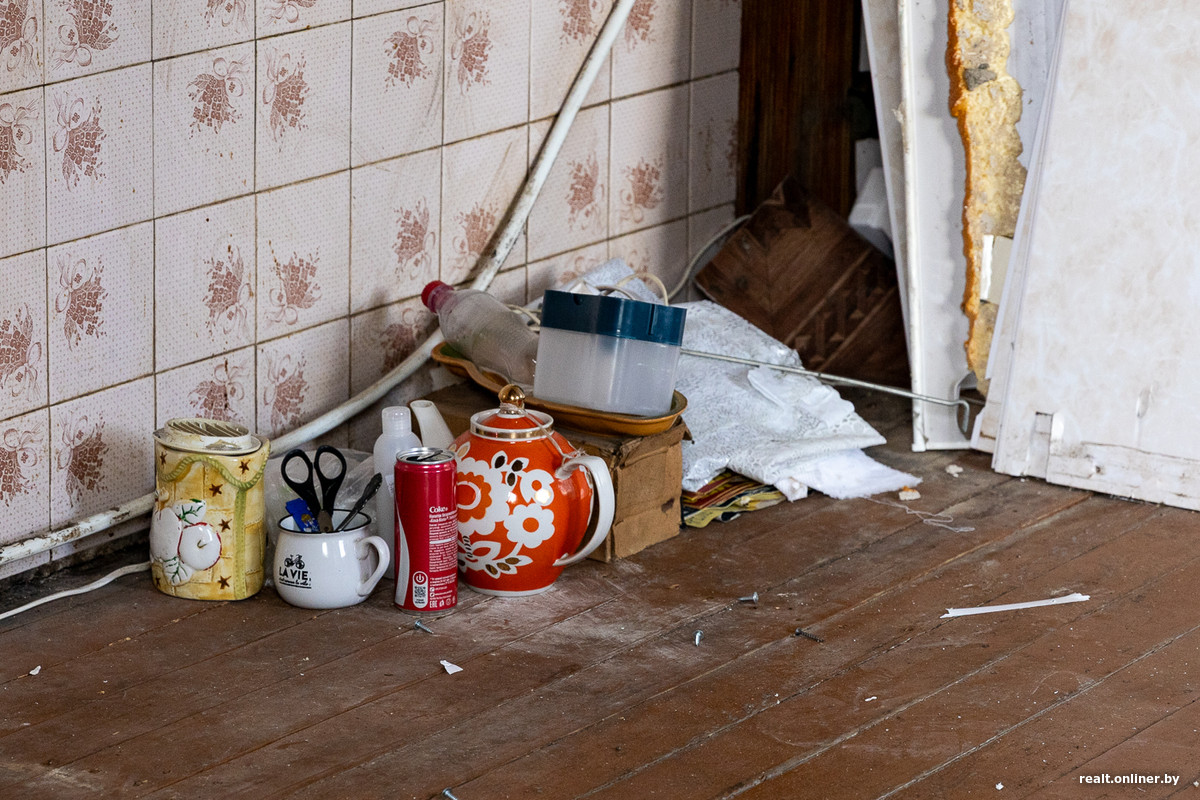
We move further down the alley. The furniture, belongings, and pleasant little household items that once filled the rooms have disappeared. Yet some artifacts remain lying in wait for the bulldozer: bundles, books, old crockery, suitcases, toys. None of this found a place in the new owners’ homes.
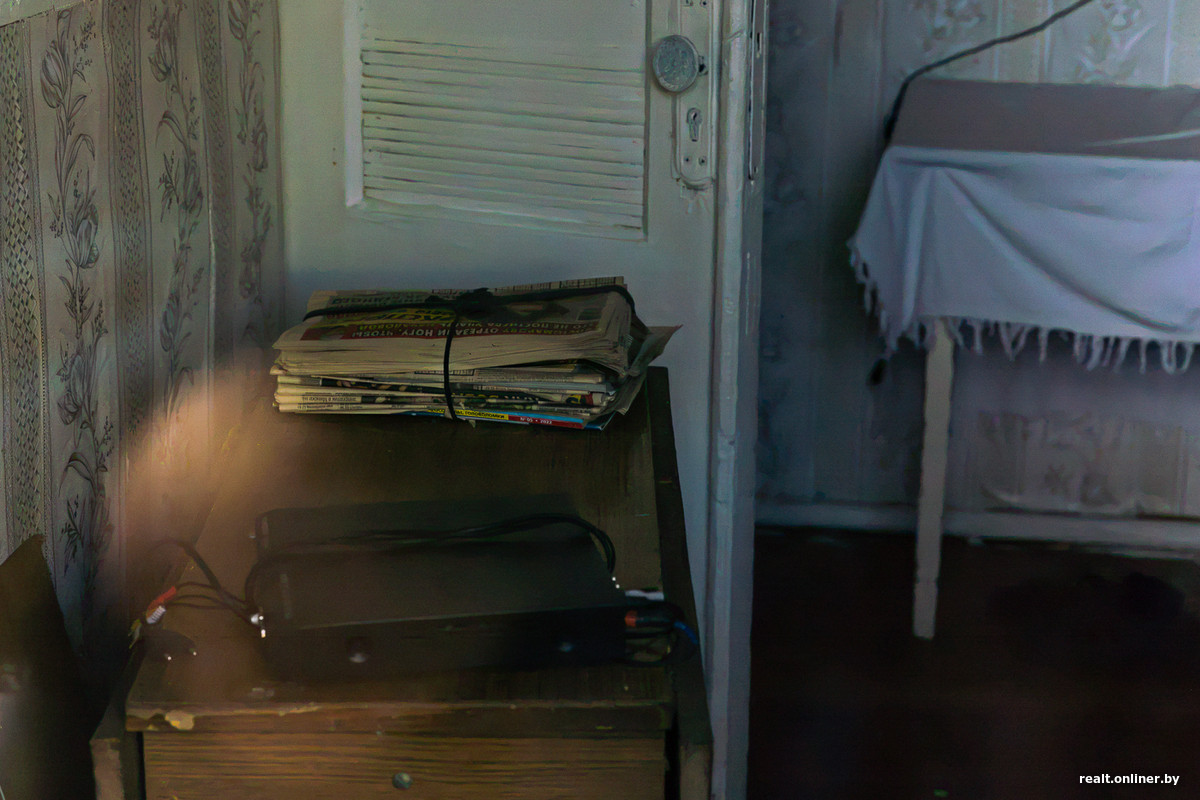
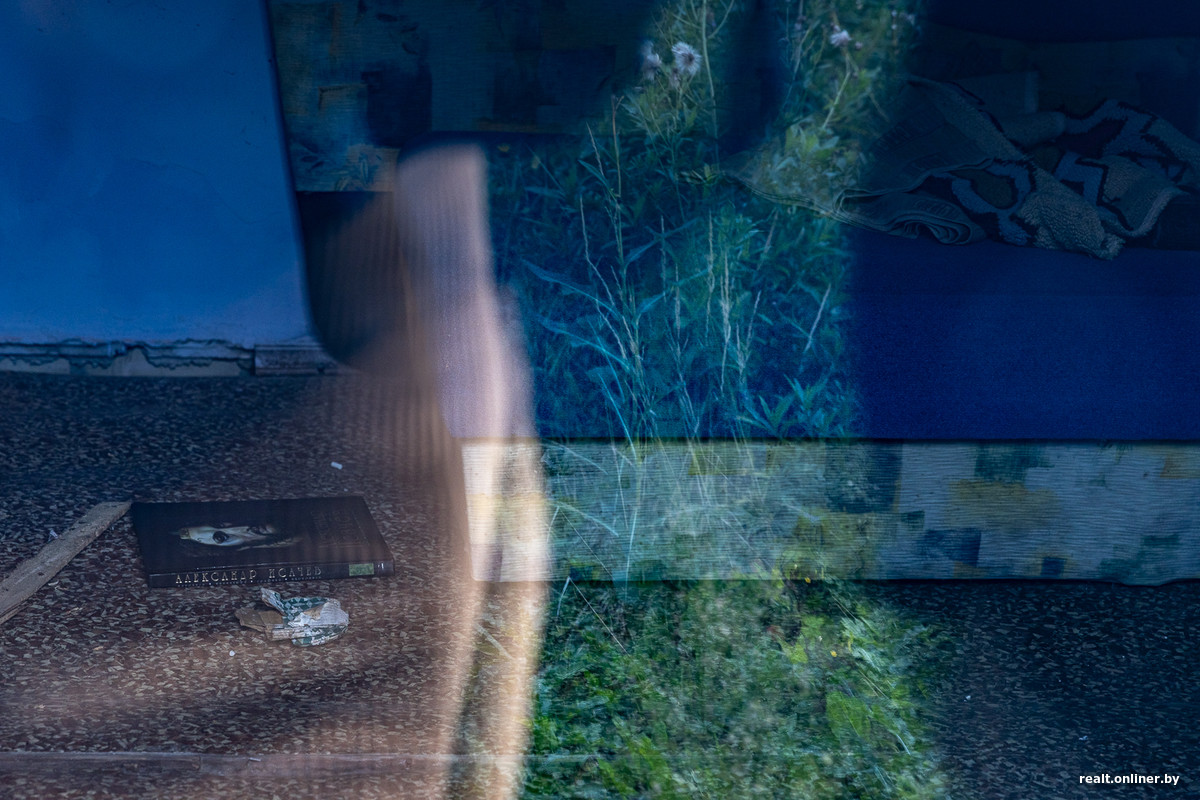


When access to the courtyard areas opened up, it became clear that most of them are simply huge. Owning such spaces in the city center is almost unreal. But it’s evident that no one has cared for them for a long time.
Nature takes its course: greenery quickly enveloped the gardens, paths, garage walls, and fences.
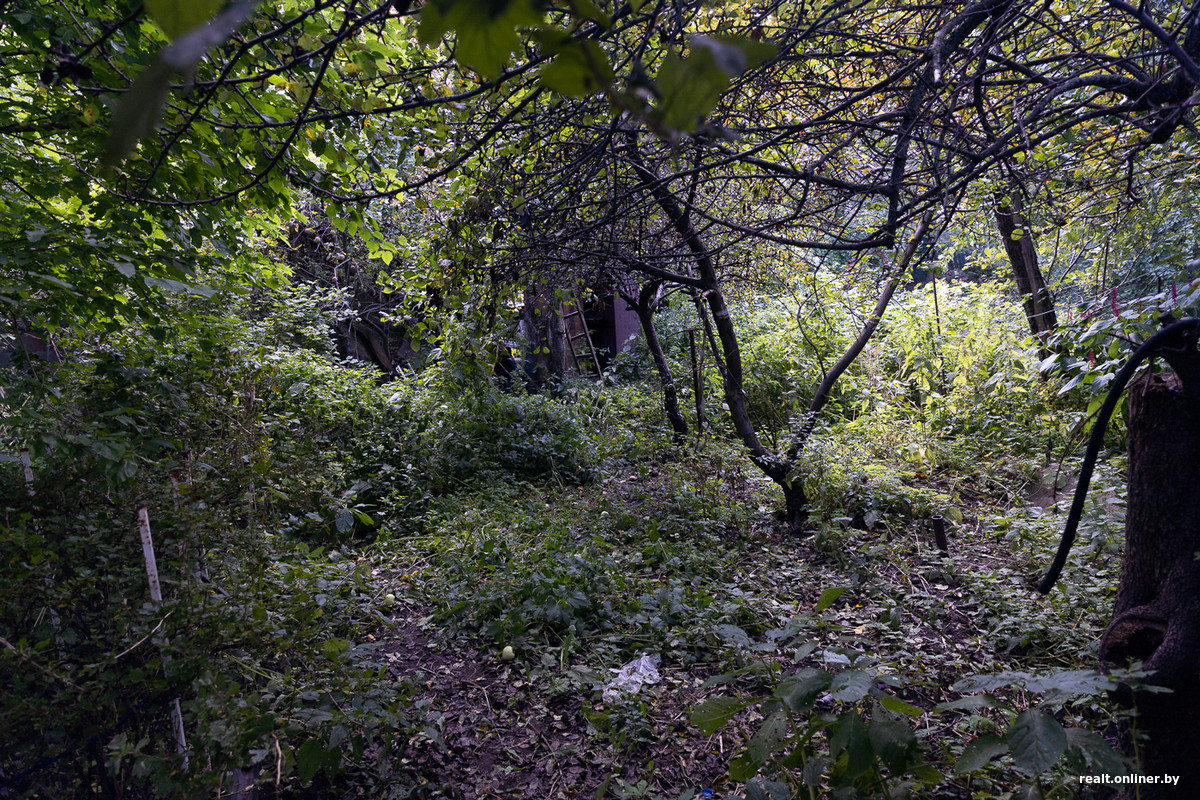
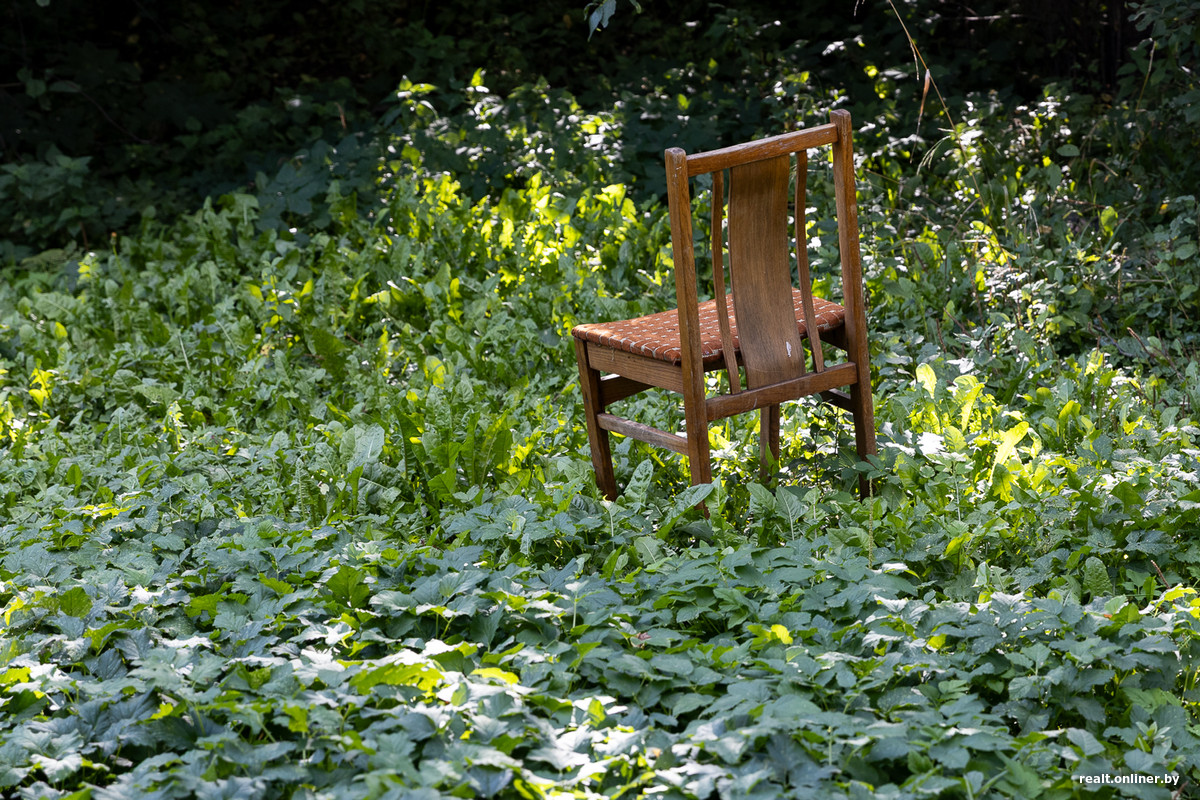


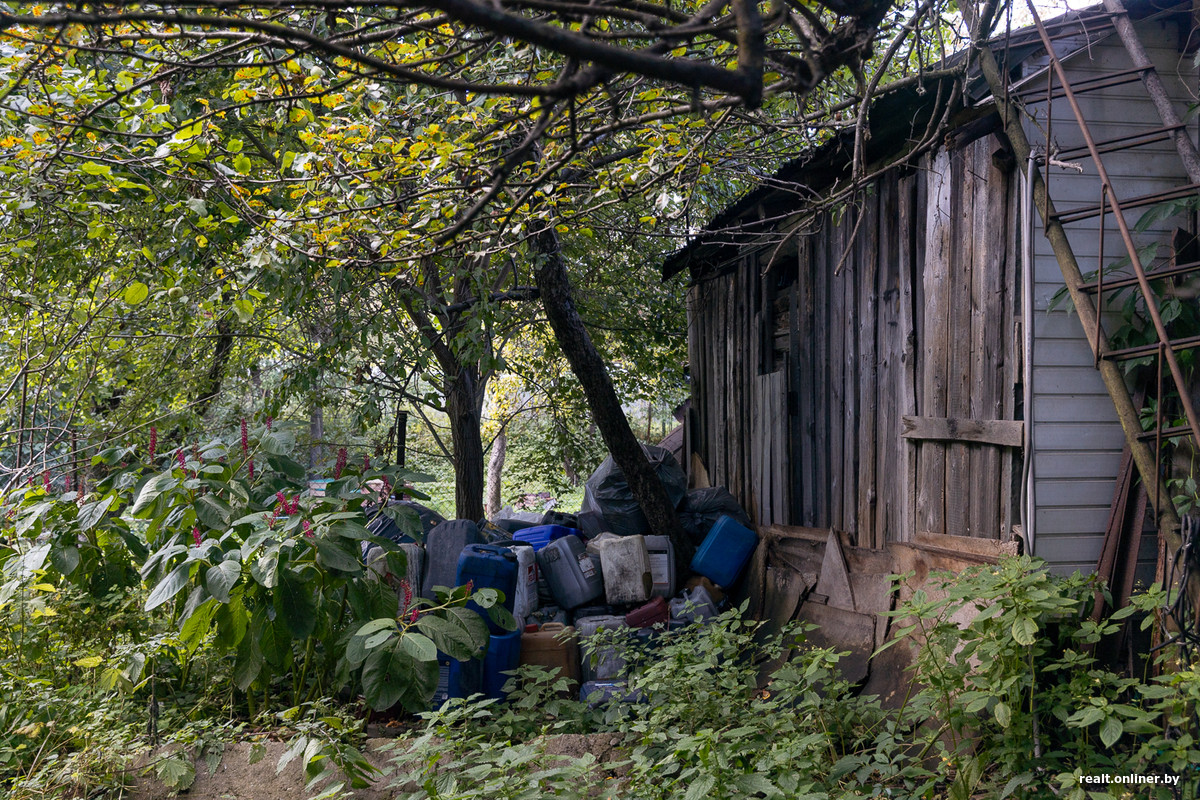

Moreover, the houses have not been empty for very long. We meet a resident of the neighboring apartment blocks, who often walks through the private sector to the shop. According to her, life here was still going on at the start of summer; the owners came and did something in the yards—an even foreign-registered car was spotted. And now it's all a mess.
Our incognito interlocutor Igor clarifies the situation. The thing is, in January of last year locals received long‑awaited letters stating that demolition would definitely happen. Active relocations began in the summer of last year. And last winter, when severe frosts raged, almost no one was living there.
Where did the people move to? According to Igor, the developer himself sold their property rights. Two options were offered: take money or choose a suitable capital apartment within a certain price range. And no one was spared financially. Rumor has it that in one of the buildings there were as many as 28 registered residents—their cash payout amounted to almost a million at the exchange rate. In short, no one was left offended.
For example, Igor’s neighbor, a man who also declined to be photographed, is building a house in Ratomka with the money he received:
— I took the money. I took a share, and people by square footage.
— Overall, are you satisfied with the compensation?
— Satisfied. I bought land for myself. I have everything there.
— And what will be built here, you know?
— Check online. The company “Multihouse” bought us.
By the way, companies with that name exist on the market, but there are no apartment developers among