Menu
Bitcoin versus the dollar: why cryptocurrency does not replace, but rather complements the American currency
Author and Editor-in-Chief: Vitaliy Kisterny 20.09.2026 20:15:00
When bitcoin emerged in 2009, its creators dreamed of a world without central banks and state currencies. Seventeen years have passed, and what do we see? Bitcoin is worth over $100,000, but the dollar has not disappeared.
On the contrary, cryptocurrency has become another tool in the dollar system. Stablecoins pegged to the dollar dominate the crypto market.
Institutional investors buy bitcoin as "digital gold," but not as a replacement for the dollar. And American regulators are gradually integrating cryptocurrencies into the traditional financial system. Instead of undermining the dollar, bitcoin has become its unexpected ally.
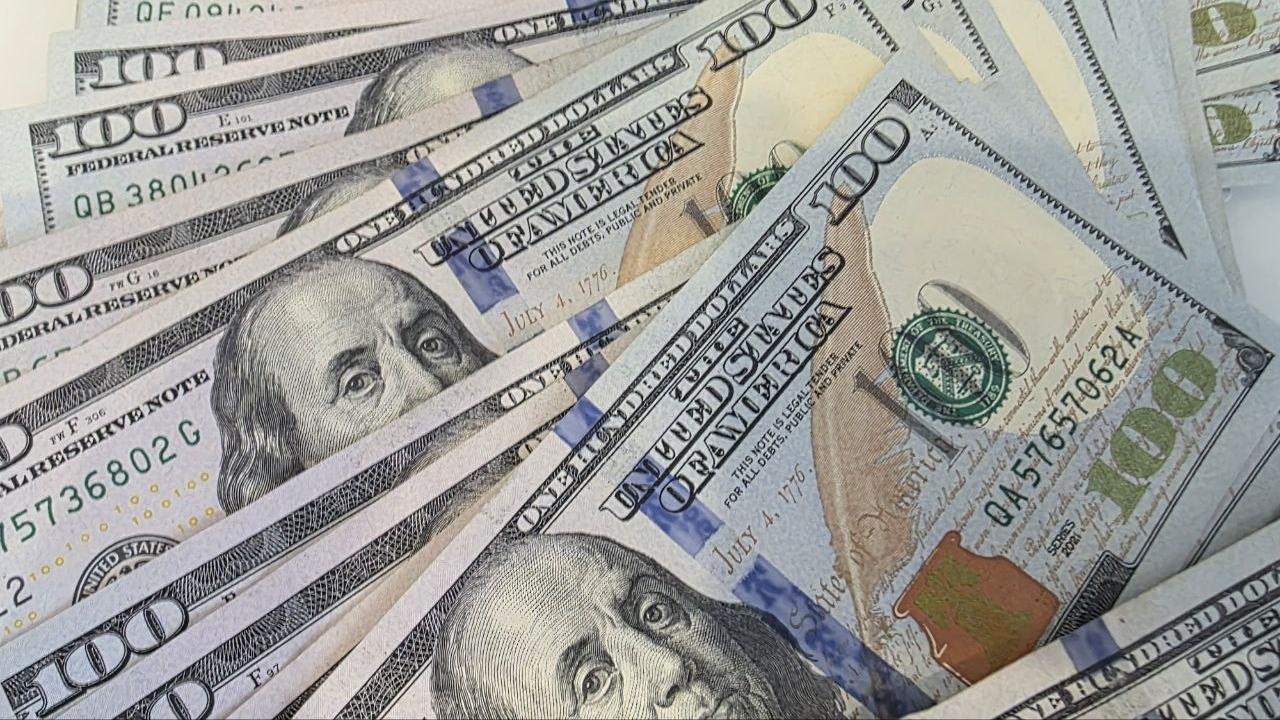
Photo: Belnovosti / US dollars. Author Vitaliy Kisterny
Why bitcoin did not become a replacement for the dollar
The idea of bitcoin as an alternative to state currencies has not withstood the test of reality. Here are the main reasons.
Volatility. Bitcoin can lose or gain 10% in one day. For calculations, this is unacceptable. Companies cannot issue invoices in a currency that changes in price every minute.
Transaction speed and cost. The bitcoin network processes around 7 transactions per second. Visa processes around 65,000. Transaction fees in bitcoin can reach tens of dollars during periods of high load.
Lack of infrastructure. The dollar is supported by banks, payment systems, regulatory bodies, and the legal system. Bitcoin has none of this.
As a result, bitcoin has become not a currency for everyday calculations, but a speculative asset and "digital gold" - a means of preserving value, not exchange.
How stablecoins strengthened the dollar
While bitcoin was trying to become "digital gold," another category of cryptocurrencies - stablecoins - quietly conquered the market. Stablecoins are cryptocurrencies pegged to a real asset, in the vast majority of cases to the US dollar.
The stablecoin market in 2026 exceeded $320 billion. More than 99% of them are denominated in dollars. Each new stablecoin requires the purchase of US Treasury bonds, which provide its reserves. This creates additional demand for US debt.
Moreover, stablecoins have become a tool for dollarization in countries with high inflation. Residents of Argentina, Turkey, and Nigeria buy dollar-denominated stablecoins to protect their savings. This supports demand for the dollar even in countries where access to real dollars is limited.
Integration of cryptocurrencies into the dollar system
American regulators are gradually changing their attitude towards cryptocurrencies. Instead of banning them, they are integrating them into the traditional financial system.
In 2026, the Securities and Exchange Commission (SEC) approved a number of exchange-traded funds (ETFs) on bitcoin and ether. Major banks, including JPMorgan and Goldman Sachs, have begun offering clients cryptocurrency storage services. Payment systems, such as PayPal and Visa, have integrated stablecoins into their services.
This integration means that cryptocurrencies are becoming part of the dollar system, rather than an alternative to it. The more people use stablecoins for settlements, the more dollars they need to buy. The more institutional investors buy bitcoin through American exchanges, the more dollars they spend.
What this means for the dollar
Paradoxically, cryptocurrencies have strengthened the dollar, rather than undermining it. Instead of becoming a replacement, they have become another channel of demand for the US currency.
For the dollar, this means that even in the digital age, it remains the main currency. Cryptocurrencies have not replaced the dollar - they have become its digital extension. And as long as this integration continues, the dollar will retain its role in the global financial system.
What this means for the ordinary person
If you are interested in cryptocurrencies, it is essential to understand: they will not replace the dollar in the foreseeable future. Bitcoin may be interesting as a speculative asset or a means of preserving value, but for everyday settlements, the dollar remains indispensable.
If you live in a country with high inflation, dollar-pegged stablecoins may be a convenient way to protect your savings. But remember: they are tied to the dollar, which means their value depends on the US currency.
What's next
In the coming years, the integration of cryptocurrencies into the traditional financial system will likely continue. This means that the dollar and cryptocurrencies will coexist, rather than compete. The dollar will remain the world's main currency, and cryptocurrencies will become another tool in this system.
The question is how long this integration will last and whether it will lead to unforeseen consequences. But for now, one thing is clear: bitcoin has not killed the dollar. It has made it stronger.