Menu
World tourism: how $1.9 trillion travelers support the dollar
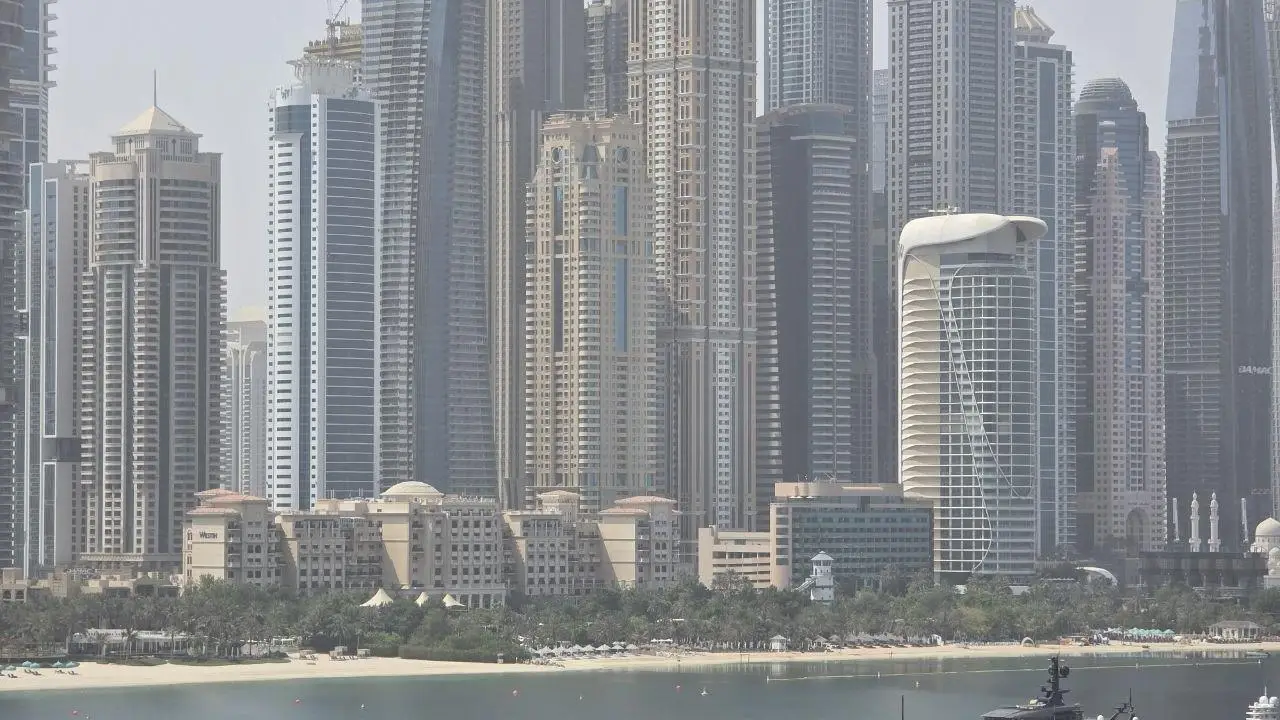
When a German tourist books a hotel in Bali, when a Brazilian family buys tickets to Disneyland, when an Indian businessman flies to a conference in New York — all these transactions go through the dollar system.
World tourism is a $1.9 trillion industry, and a significant portion of its financial flows are denominated in U.S. currency.
Hotels, airlines, cruise ships, tour operators — they all operate in dollars or convert their revenues into dollars. Travelers from around the world pay for services in dollars, creating steady demand for the American currency. Tourism is another invisible pillar of the dollar,
For the United States, tourism is not just Marriott and Hilton. It also includes banks that process payments. Visa, Mastercard, American Express — all of them operate in dollars and earn fees on every transaction. This creates additional capital flows in dollars.
For the dollar, tourism is a steady source of demand. Even if other factors weaken, tourists will still buy dollars to pay for hotels and tickets. This makes the U.S. currency more resilient than one might expect.
For developing countries, tourism is a challenge. Hotels and tour operators are forced to buy dollars to pay for franchises, booking systems, and international contracts. This puts pressure on their national currencies and increases dependence on the dollar.
What this means for the dollar
Tourism is an inconspicuous but important pillar of the dollar. It creates steady demand for the U.S. currency that does not depend on Federal Reserve rates or geopolitics. As long as global tourism grows, the dollar will receive support.
However, this pillar has a weak spot. If China or other countries create their own competitive hotel chains and booking systems, it could undermine the dollar's monopoly in tourism. China is already actively developing its tourism industry and platforms.
As analysts note, "tourism is an industry where the dollar feels especially confident." But this confidence could weaken if competition intensifies.
What this means for the average person
If you travel, you are already part of this system