Menu
World fashion: how luxury brands and mass market subtly support the dollar
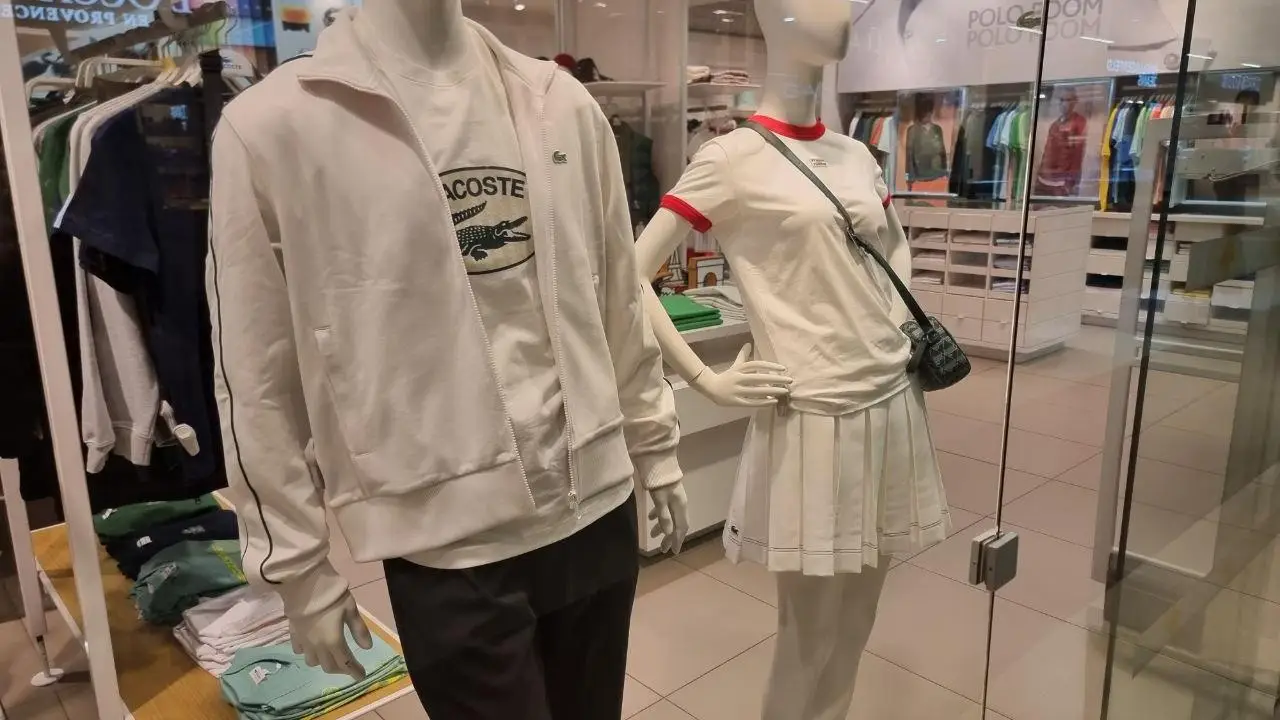
When a shopper in Dubai buys a Louis Vuitton bag, when a teenager in Mexico City orders Nike sneakers, when a department store in Tokyo purchases a Zara collection — all these transactions go through the dollar system.
The global fashion industry is valued at more than $1.7 trillion a year, and a significant portion of its financial flows are denominated in US currency.
The biggest luxury conglomerates — LVMH, Kering, Richemont — trade in euros, but their largest markets and contracts are often tied to the dollar. Mass-market — Nike, Levi's, Gap, Ralph Lauren — is American and operates in dollars. Even Asian clothing manufacturers issue invoices in US dollars. Fashion is another invisible pillar of the dollar, about
In 2026, this demand intensified. The fashion market recovered after the pandemic, and new markets — India, Brazil, Southeast Asia, the Middle East — became key sources of growth. Each new collection is a new flow of dollars through supply chains.
Who Benefits from Dollar Fashion
For the United States, the fashion industry is not just Nike and Levi's. It also includes banks that finance purchases and logistics. JPMorgan, Citigroup, Bank of America — all of them work with the largest retailers and manufacturers. This creates additional flows of capital in dollars.
For the dollar, fashion is a steady source of demand. Even if other factors weaken, people will always buy clothing. This makes the US currency more resilient than one might expect.
For emerging economies, fashion is a challenge. Factories are forced to operate under dollar‑denominated contracts, which puts pressure on their national currencies. When the dollar strengthens, their margins shrink and their income in local currency falls.
What This Means for the Dollar
Fashion is an inconspicuous but important pillar of the dollar. It creates steady demand for the US currency that does not depend on Federal Reserve rates or geopolitics. As long as the world dresses, the dollar will receive support.
However, this pillar has a weak spot. If China or other countries develop their own competitive brands and begin promoting them in yuan, this could gradually erode the dollar's monopoly. China is already actively developing its fashion industry and e‑commerce platforms.
What This Means for the Average Person
If you buy clothing, you are already participating in this system. Prices for imported apparel are tied to the dollar, even if you purchase it in Europe or Asia.
For those holding savings in dollars, fashion provides additional support. For those working in light industry, it means understanding how global capital flows affect exchange rates.
What Lies Ahead
The global fashion industry will continue to grow. The middle class in emerging economies is expanding, and new markets