Menu
When heaters must be turned on in buses: Ministry of Transport reminded of temperature standards.
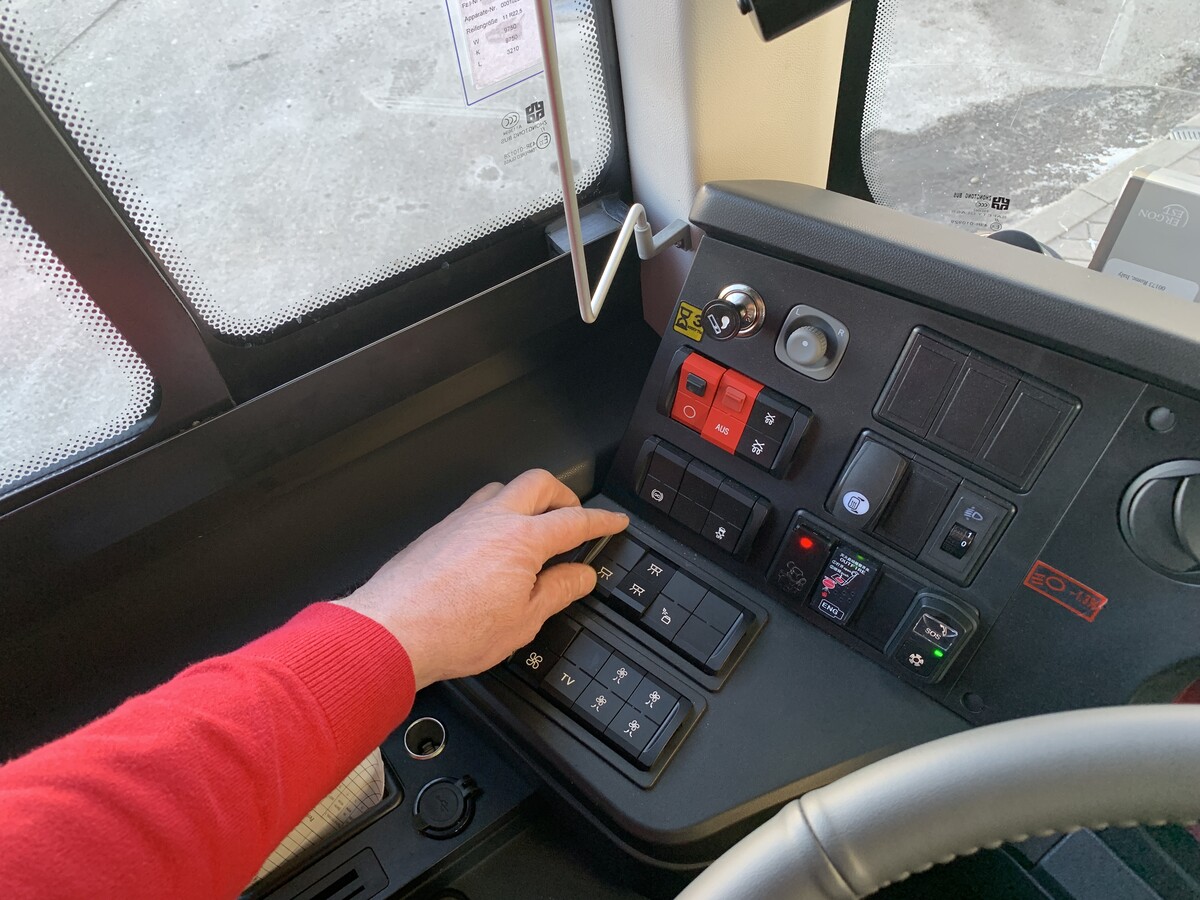
With the onset of autumn cold, public transport passengers are increasingly concerned about comfortable temperature during trips. In the Republic of Belarus, there are clear rules regulating when the driver must turn on the heating system in the cabin.
Legal temperature mark on the thermometer
According to the Rules for Passenger Road Transport approved by the Decree of the Council of Ministers of the Republic of Belarus, the driver must switch on cabin heating as soon as the outside air temperature drops below +5 °C. This requirement is mandatory for all types of regular passenger road transport, including city buses, trolleybuses, trams, and route taxis.
At the same time, large transport enterprises (for example, Minsktrans) have additional internal regulations. According to them, heating systems are switched to operating mode on a scheduled basis for the entire autumn‑winter period. If the outdoor thermometer falls to +2 °C or lower, drivers must additionally switch on forced heaters (calorifiers) inside the cabin. By the time passengers board at terminal stops, the vehicle should already be warmed up.
What temperature should be inside the cabin?
There is no exact legislative norm in the rules that specifies a precise number of degrees inside the passenger compartment of a bus. Sanitary norms do not contain a strict microclimate standard for passengers, because maintaining stable heat with doors constantly opening at stops is technically impossible.
Nevertheless, professional carriers have comfort standards. The optimal indicator for the cold period is considered a temperature not lower than +10 °C … +15 °C. Under these conditions, passengers in outerwear can travel comfortably. If the transport is too cold, passengers have the full right to directly ask the driver to adjust the heating operation.
Requirements for the driver's cab
Unlike the passenger compartment, the driver's workplace is strictly controlled by state sanitary regulations. According to hygienic norms, the temperature in the bus cabin during the cold period of the