Menu
What will happen to the dollar in the first half of 2027: four scenarios for the currency market
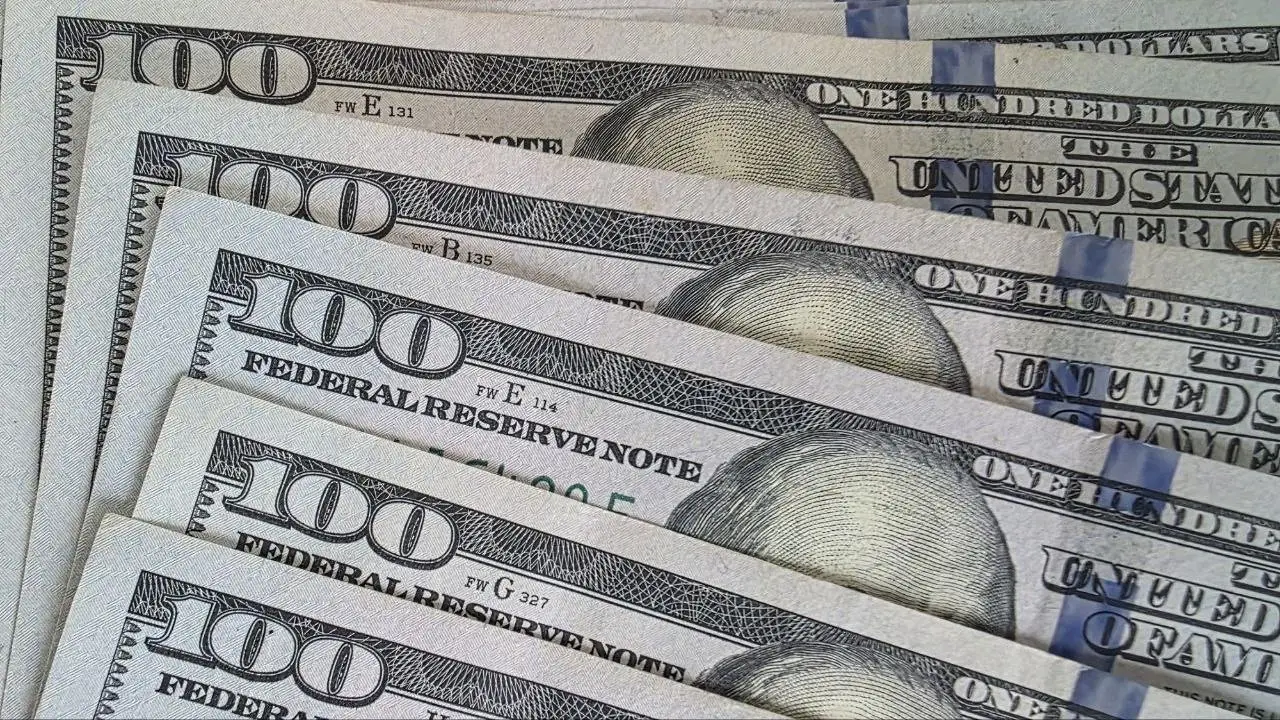
The first half of 2027 will be a period when the dollar will face several opposing forces simultaneously. On one hand — the possible start of Fed rate cuts, on the other — the French presidential election in April and the turbulence it brings to the eurozone. On a third, seasonal capital flows and new inflation data.
Leading banks have already begun adjusting their forecasts, and their assessments range from a moderate weakening of the dollar to a new strengthening. Let's examine which scenarios are most likely and what they will mean for the currency market.
Scenario One: gentle rate cuts and a moderate weakening of the dollar
According to most analysts, the most likely scenario is that the Fed will begin cutting rates in the second quarter of 2027. Inflation will slow to 2.5–3% by then, and the labor market will cool enough for the regulator to consider easing possible.
In this scenario, the dollar will weaken moderately, and EUR/USD will rise to 1.15–1.17. However, the extent of the weakening will be limited because other central banks — the ECB, the Bank of Japan, and the Bank of England — may also ease policy. The rate differential will remain, and the dollar will stay relatively strong.
Goldman Sachs and UBS both adhere to this scenario, though they differ in details. Goldman expects two rate cuts in 2027, while UBS expects one, but more cautious.
Scenario Two: a Fed pause and a new surge in dollar strength
If inflation proves more resilient than expected, the Fed may keep rates at the current level longer than the market anticipates. In that case, the dollar will gain a new impetus for strengthening, and EUR/USD could fall to 1.08–1.10.
This scenario is supported by hawkish rhetoric within the Fed. Williams from the New York Fed has explicitly stated that another rate hike by the end of the year is “reasonable,” and inflation remains the main problem. If these sentiments prevail, the dollar will continue to strengthen.
An additional argument in favor of this scenario is the structural demand for U.S. assets. The AI boom attracts capital from around the
The most risky scenario is linked to the French presidential election in April 2027. If the winner is a candidate who advocates revising relations with the EU or annulling debt, it could trigger a new debt crisis in the eurozone and a collapse of the euro.
In this scenario, the EUR/USD could fall below parity, and the dollar could strengthen to levels not seen since 2022. However, this scenario is unlikely, though not impossible. Markets have already begun pricing in the risk of a French crisis, as evidenced by the widening spread between French and German bonds.
Scenario Four: Political Shock in the United States
The least predictable scenario involves political risks within the United States itself. If the administration continues to pressure the Fed, demand rate cuts, and interfere with the regulator’s operations, confidence in the dollar could suffer. In that case, the dollar would weaken regardless of the Fed’s actions.
ING points out directly: the main risk to a constructive view of the dollar is the rise in hedging ratios by foreign investors in U.S. assets. Any new intervention by the White House in financial or trade policy could force investors to increase hedges and put pressure on the dollar.
What This Means for the Dollar
The first half of 2027 is a period when the dollar will face several opposing forces. The most likely scenario foresees a moderate weakening of the dollar, but the scale of that weakening will be limited by the weakness of competitors and the structural demand for U.S. assets.
The key risk is not economic but political. If confidence in the Fed’s independence is undermined, the consequences for the currency could be more severe than traditional models suggest. For now, the market prices in a moderate weakening of the dollar but remains ready for surprises.