Menu
What will happen to the dollar if the US launches a programmable digital dollar
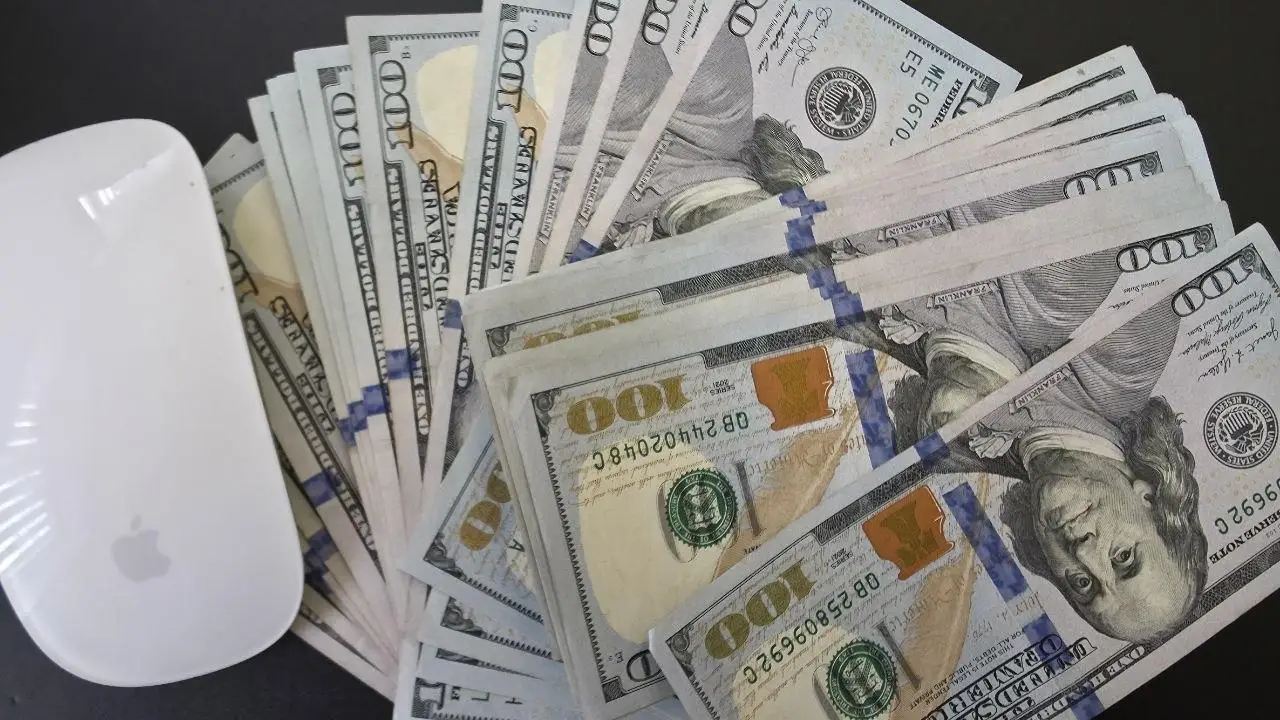
More than 100 central banks around the world are studying or developing digital currencies. China is already testing a digital yuan, Europe is preparing a digital euro, and the US has been cautious so far.
But if Washington decides to release a full-fledged digital dollar — especially with programmable functions that allow limiting the use of funds — it could change not only the payment system but also the very perception of the dollar as a neutral savings medium. What will this mean for the world's main currency?
How the digital dollar differs from the ordinary one
A digital dollar is not a cryptocurrency and not a stablecoin. It is a direct obligation of the Federal Reserve expressed in digital form. Unlike cash, which is anonymous, and bank deposits, which are created by commercial banks, the digital dollar exists on the central bank's balance sheet and is available directly.
The main difference is programmability. Technically, a digital dollar can be endowed with functions that determine how and when it can be used. For example, funds allocated for benefits could be limited to purchasing food or paying utility bills. Funds intended for business could be limited to certain categories of expenses.
It is precisely this possibility that sparks the most controversy. Supporters see it as a tool for increasing the efficiency of government programs. Critics view it as a threat to freedom and a subversion of trust in the currency.
What will happen if the digital dollar is launched
The first effect is the strengthening of the dollar in digital transactions. Today, a significant portion of international payments passes through systems that the US can control but not completely. The digital dollar, integrated into global infrastructure, would give Washington more levers and strengthen the role of the American currency in cross-border operations.
The second effect is competition with stablecoins. Today, private digital dollars issued by companies such as Tether and Circle dominate the cryptocurrency market. A state digital dollar could displace them or, conversely, create a hybrid system where private and state forms coexist.
The third effect is the reaction of other countries. China, Russia, Iran and other states that are already seeking alternatives to the dollar will perceive the launch of a digital dollar as an intensification of American control. This will accelerate the development of alternative payment systems and digital currencies.
Risk to trust
The main risk is related to programmability. If investors and citizens begin to view the digital dollar as a tool of state control rather than a neutral medium of exchange, trust in the currency may suffer. People may start transferring savings into assets that are not programmable — gold, foreign currencies, cryptocurrencies.
This risk is particularly relevant for countries that hold dollar reserves. If the US government can restrict the use of digital dollars for political reasons, foreign holders may doubt the reliability of the American dollar as a reserve asset.
However, in practice, the scale of programmability is likely to be limited. The Fed has already made it clear that it is not interested in creating a tool for direct control over citizens. The most likely scenario is a digital dollar for wholesale transactions between banks, not for retail payments.
Who will win and who will lose
The main beneficiaries will be US banks and payment companies that will gain access to the new infrastructure. The US will strengthen its position in global finance, as the digital dollar will allow it to compete with China's digital yuan.
The most vulnerable will be countries with unstable currencies that depend on the dollar system. If the digital dollar becomes the standard for international transactions, they will have to integrate into the US infrastructure or seek alternatives.
Gold and other assets not subject to digital control can also benefit, as part of investors will seek protection from programmability.
What this means for the dollar
The digital dollar is a double-edged sword. It