Menu
What Will Happen to the Dollar If the US Imposes Universal Tariffs on All Imports?
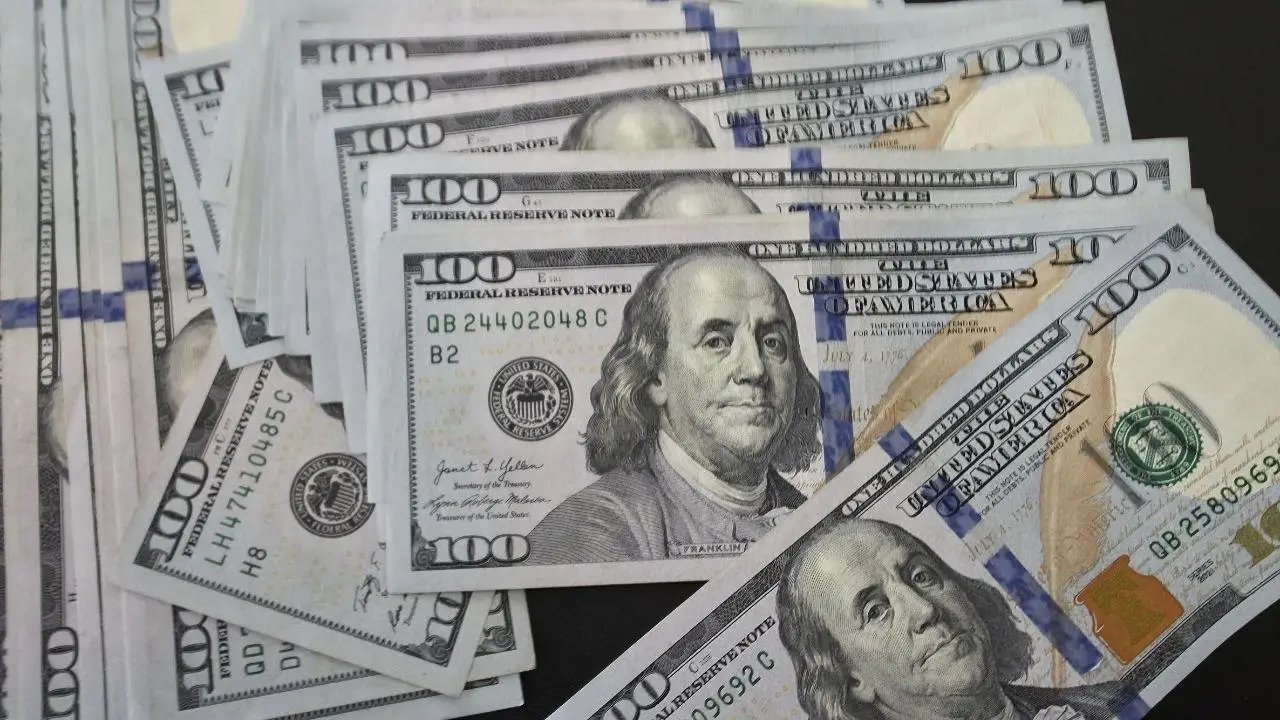
In 2026, the United States has already introduced tariffs against Canada, China, and Europe, but the idea of a universal tariff—for example, 10% on all imports—is being discussed as a way to reduce the trade deficit and bring manufacturing back to America. If Washington takes this step, the consequences for the dollar will be complex and ambiguous: in the short term, tariffs will reduce imports and improve the trade balance, which will support the currency, but in the medium term, they will trigger retaliatory measures, increase inflation, and slow down the economy.
Unlike targeted sanctions, a universal tariff will affect all trading partners and alter the structure of global trade.
Why a universal tariff seems attractive
Proponents of tariffs argue that they will protect American manufacturers from foreign competition, reduce the trade deficit, and bring jobs back to industry. From the currency market's perspective, a reduction in imports means that Americans will buy fewer foreign goods and, consequently, convert fewer dollars into other currencies. This should support the dollar.
Furthermore, tariffs can be used as a tool of pressure in trade negotiations. If other countries agree to concessions to avoid duties, the United States could obtain more favorable terms for its exports.
However, history shows that tariffs rarely work as intended. Retaliatory measures, distortions in trade flows, and increased costs for consumers often outweigh the benefits.
What will happen in the short term
- The first reaction will be a strengthening of the dollar. Reduced imports will improve the trade balance, supporting the currency. Investors may perceive the tariffs as a sign of Washington's resolve to protect the American economy.
- The second reaction will be a rise in prices for imported goods. Tariffs are a tax paid by American consumers. Prices for cars, electronics, clothing, and food will increase, accelerating inflation.
- The third reaction will be retaliatory measures from trading partners. China, Europe, and other countries will impose their own tariffs on U.S. exports, which will hit American manufacturers and farmers. This could spark a trade war that slows global growth.
What will happen in the medium term
In a few months, the market will begin to recognize the negative consequences. Rising inflation will force the Fed to maintain high rates, which will support the dollar but simultaneously slow the economy. American companies that rely on imported components will face increased costs and reduced competitiveness.
Trading partners will start seeking alternatives to the U.S. market. China, Europe, and Asian countries will boost trade among themselves, reducing the role of the United States in global trade. This will weaken the dollar in the long term, since the dollar is used in transactions that will now take place without U.S. involvement.
Furthermore, tariffs will undermine trust in the United States as a reliable trade partner. Countries dependent on American exports will begin looking for other suppliers. This will alter the structure of global trade and weaken the dollar's position.
Who will win and who will lose
- The main beneficiaries will be American manufacturers, who will gain protection from foreign competition, and countries that can replace American exports in global markets. Gold will also benefit if investors seek protection from a trade war.
- The most vulnerable will be American consumers, who will pay higher prices for tariffs, and American exporters, who will lose access to foreign markets. Developing countries dependent on exports to the U.S. will also suffer.
For the dollar, the ultimate effect depends on the scale of the tariffs and retaliatory measures. If the trade war remains limited, the dollar may even strengthen. However, if it escalates into a global conflict, the consequences for the American currency will be serious.
What this means for the dollar
A universal tariff is a double-edged sword. In the short term, it may support the dollar by improving the trade balance. In the long term, it will undermine confidence in the United States and accelerate de-dollarization, as other countries find ways to trade without the dollar.
The most likely outcome is not a collapse, but increased volatility and a gradual shift in the structure of global trade. The dollar will remain the primary currency, but its role will erode as trade flows are reoriented toward regional blocs. The more aggressive U.S. trade policy becomes, the faster this process will occur.