Menu
What will happen to the dollar if the US and China agree on a new Plaza Agreement
Author and Editor-in-Chief: Vitaliy Kisterny 08.11.2026 07:05:00
In 1985, five countries signed the Plaza Accord to weaken the overvalued dollar and balance trade deficits. Today, after four decades, the idea of a coordinated currency agreement is resurfacing in discussions — this time between Washington and Beijing.
If the world's two largest economies decide that further strengthening of the dollar harms both sides and agree on joint actions, it would be the first political intervention in the market rate of the American currency in decades. How realistic is this, and what would it mean?
Why the idea is returning to the agenda
In the 1980s the dollar was so overvalued that American exporters lost competitiveness, and the trade balance deficit reached historic highs. The Plaza Accord solved this problem through joint central bank interventions and policy coordination. Within two years, the dollar lost about half its value against the yen and the German mark.
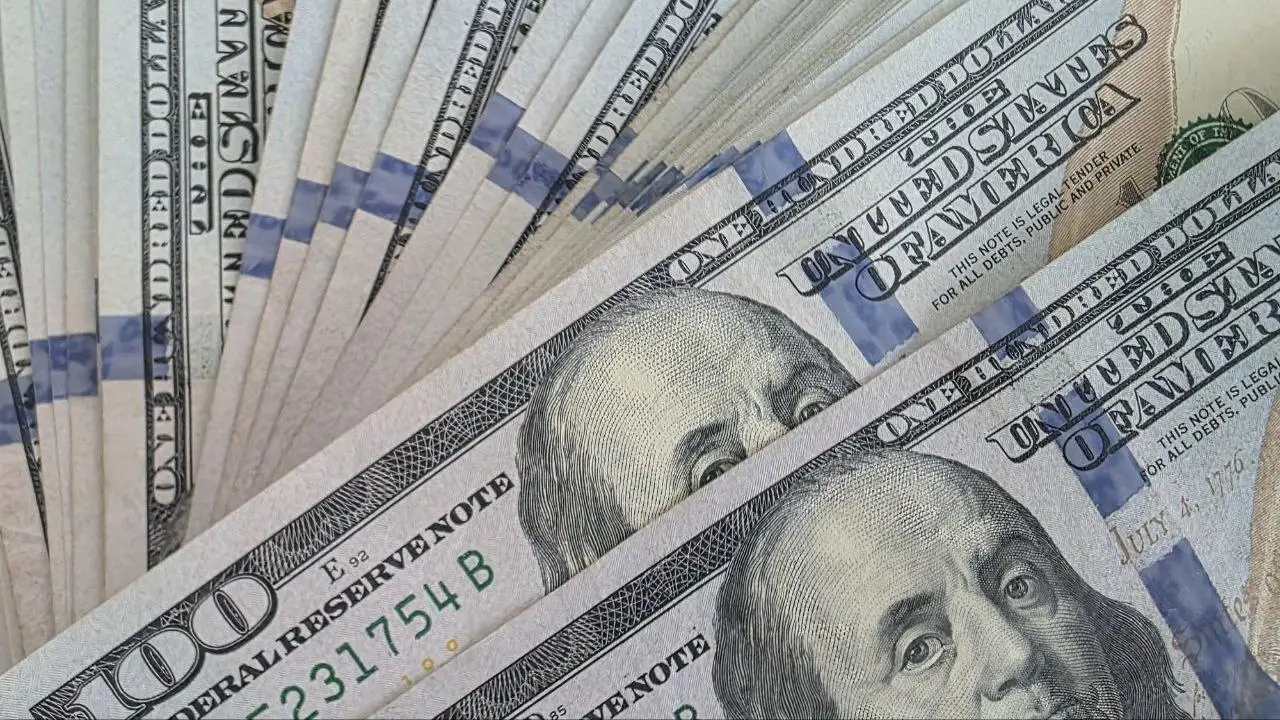
Photo: © Belnovosti / US dollar. Author Vitaliy Kisterny. Today the situation is different, but the parallels are obvious. The dollar remains strong despite a record budget deficit and trade imbalance. China, the world's largest exporter, is interested in weakening the dollar because it would boost the competitiveness of its goods. The United States, in turn, is concerned about the impact of a strong dollar
Each of these elements runs counter to the interests of one of the parties. The United States is unwilling to abandon a strong dollar, as it underpins their role in the global financial system. China is unwilling to relinquish capital controls, as they safeguard its financial stability. Fiscal coordination between strategic rivals is virtually impossible.
The most realistic option is not a formal agreement but informal, coordinated interventions during times of stress. If the dollar strengthens too much and begins to threaten global stability, central banks could carry out joint operations, as they did in 1985 and later in the 2000s.
What will happen if an agreement is reached
If the parties truly agree, the effect will be significant. The dollar could weaken by 10–15% against major currencies over a year, as the market begins to price in policy changes. Foreign investors holding U.S. assets will start to reassess their positions, increasing pressure on the currency.
The euro will be the primary beneficiary. The European currency will benefit from a reorientation of global capital flows, and the ECB will gain room for a more aggressive tightening stance. The yen will also strengthen, as Japan has historically been the U.S.'s main partner in currency interventions.
However, the effect may be short‑term. Markets quickly adapt to new rules, and if underlying imbalances are not addressed, the dollar will return to its previous levels. The Plaza Accord worked because it was coupled with fiscal and monetary coordination, as well as changes in economic policy.
Who will win and who will lose
The main beneficiaries will be exporters from the United States and China, as well as countries with large dollar‑denominated debt, which will benefit from a weaker U.S. currency. The euro and yen will strengthen, supporting European and Japanese exporters.
The most vulnerable will be investors holding U.S. assets without hedging. A dollar depreciation will reduce their returns in local currencies. Central banks holding dollar reserves will also suffer.
For the dollar, the ultimate effect depends on the scale and durability of the agreement. If it turns out to be symbolic, the market will quickly return to previous levels. If it is backed by real policy changes, the dollar could weaken for years, but it will not lose its status
A new Plaza Agreement is an unlikely but not impossible scenario. It would require a political will that is currently lacking in both Washington and Beijing. However, if global imbalances continue to grow and the dollar remains overvalued, the pressure for coordination will intensify.
For investors, this means they need to monitor political signals, not just economic data. The currency market is increasingly dependent on the decisions of politicians, rather than the actions of central banks. And this makes forecasting the dollar's exchange rate more complicated than ever.