Menu
What new Belarusian medicines will appear in pharmacies
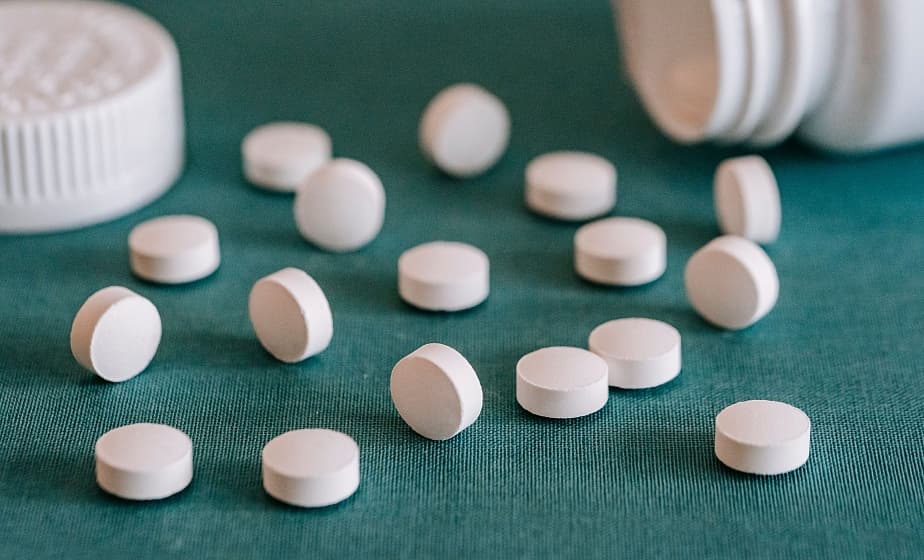
"Belmedpreparaty" annually produces about a billion units of product (over 300 different items).
On the air of the STV channel, scientists and pharmacists explained which next‑generation medicines will soon replenish Belarusian pharmacies, reports BELTA.
Specialists reminded that after the collapse of the USSR the country faced a severe shortage of medicines: only a few factories were operating, and the range of domestic drugs barely reached a hundred items. Over the years of independence the pharmaceutical industry made a powerful leap, increasing production to about 1,700 different products. Today the development of this sector is enshrined in the All‑Belarusian People's Assembly as one of the state priorities. The head of state has ordered the modernization of existing lines and the launch of new production of high‑quality analogues from scratch, so that pharmacy shelves are dominated by products labeled "Made in Belarus."
As Director of the N.N. Alexandrov Oncology and Medical Radiology Research Center, Sergey Polykov, noted, the availability of effective and affordable medicines directly affects demographic security, which is the top priority in the country's socio‑economic development program.
The main vector of the industry's development is the transition to a full production cycle: from synthesizing the molecule itself to packaging the finished product. Head of the Active Pharmaceutical Ingredients sector at the NPF "ChemFarmSynthesis" of the National Academy of Sciences of Belarus, Valentin Ostapchuk, explained that this approach allows a significant reduction in the cost of production. Instead of purchasing expensive finished substances, scientists buy basic chemical reagents and synthesize the active ingredients themselves, first in small batches and then at industrial scale. Moreover, the full cycle ensures strict quality control at every stage. The President's directive to bring at least 50 new domestic drugs to the market each year is being exceeded: in the last five years more than 350 products have been created.
Oncology and cell‑based drugs
The main specialization of the NPC "KhimFarmSintez" is anti-tumor medications. They cost 30-50% less than their imported counterparts. At the same time, 90% of them are targeted drugs that act precisely on the target molecule of the tumor, minimizing side effects. In the future, scientists plan to establish the production of monoclonal antibodies - new generation biopreparations obtained on the basis of living cells. The head of the center, Elena Kalinichenko, emphasized that the focus on a full cycle has fully justified itself, since in modern realities not everything can be purchased abroad, and the prices for imported substances are extremely high.
Antibiotics in reserve and complex technologies
Another important area is the production of emergency medicine. At one of the Belarusian plants, they are preparing to produce their own substances for carbapenems. These are powerful reserve antibiotics used in intensive care units for the most severe infections, when standard therapy is powerless.
The head of the project management department of the pharmaceutical enterprise, Olga Suvorova, reported that their company is betting on high-tech medicines in niches with low competition. Out of 208 products released by the plant (some of which are exported), 18 have no analogues in the country. The creation of such drugs is the result of many years of work by a team of more than 50 specialists based on constantly updated equipment.
New generation insulins and doctors' trust
The flagship of the industry, the "Belmedpreparaty" enterprise, annually releases about a billion units of products (over 300 names), supplying almost 40% of the volume to two dozen countries. The plant meets the critically important needs of the domestic market, providing more than 70% of all insulin packaging in the country. According to the deputy general director of the enterprise, Sergei Marchenko, the plans for the near future include the launch of improved, more predictable insulins, which will eventually replace the familiar genetically engineered analogues.
Currently, every second drug in Belarusian pharmacies is domestic, and in hospitals, their share reaches 80%. Sergei Polyakov added that the pharmaceutical industry is quickly mastering the production of drugs immediately after the expiration of their patent protection, and the quality of these developments satisfies both doctors and patients.