Menu
Video Games as an Export: How the $200 Billion Gaming Industry Bolsters the Dollar
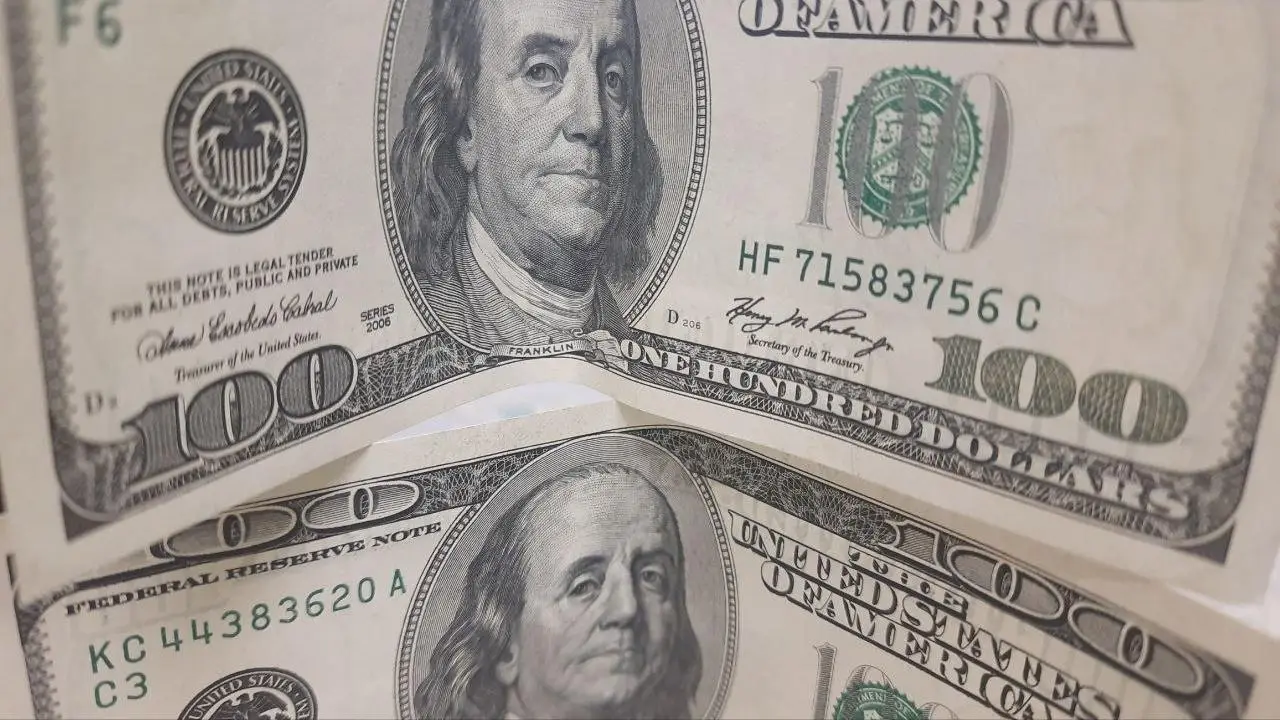
The worldwide video game industry earns more than cinema and music combined. In 2026 its volume surpasses $200 billion, and a significant portion of this money is denominated in dollars.
American companies — Microsoft, Sony, Electronic Arts, Take-Two — dominate the market. Even when Chinese or Japanese companies release games, they often sell them through American platforms and receive dollars.
Gamers in Brazil, India or Nigeria buy games in dollars, creating steady demand for the U.S. dollar. The gaming industry is yet another overlooked pillar of the dollar that almost nobody talks about.
Why the gaming industry works in dollars
The gaming industry is global. Games are developed in the United States, Europe, Japan and China but sold worldwide. The largest platforms — Steam, PlayStation Store, Xbox Store, App Store, Google Play — operate in dollars. Even if a game is created in China, it is often sold through American platforms.
The simple reason is that the biggest gaming companies are American. Microsoft owns Xbox and Minecraft. Sony, though Japanese, receives a substantial portion of its revenue in dollars. Electronic Arts, Take-Two, Activision Blizzard — all American. Their contracts with developers, marketing budgets and sales revenues are denominated in dollars.
Furthermore, in-game purchases — skins, battle passes, virtual currency — are also frequently denominated in dollars. A gamer in Brazil buys a skin for dollars that are converted from real. This creates consistent demand for the U.S. dollar.
How games create demand for dollars
Every time a gamer buys a game or an in-game item, he needs dollars. Even if he is in India or Nigeria, he converts his national currency to dollars to make the purchase.
The largest platforms operate in dollars. Steam, owned by the American Valve, sells games in dollars. PlayStation Store and Xbox Store also function in dollars. App Store and Google Play, while operating in local currencies, convert earnings to dollars for accounting purposes.
In 2026 this demand intensified. The global gaming industry grew by 8% per year, and new markets — India, Brazil, Southeast Asia — became key sources of growth. Mobile games, which account for more than half of the market, are also often denominated in dollars.
Who benefits from dollarized games
For the US, the gaming industry is not just Microsoft and EA. It is also banks that process payments. Visa, Mastercard, PayPal—all of them operate in dollars and collect fees from each transaction. This creates additional capital flows in dollars.
For the dollar, the gaming industry is a stable source of demand. Even if other factors weaken, gamers will still buy dollars to purchase games. This makes the American currency more resilient than one might expect.
For developing countries, the gaming industry presents a challenge. Gamers are forced to buy dollars to purchase games and in-game items. This puts pressure on their national currencies and increases their dependence on the dollar.
What this means for the dollar
The gaming industry is a quiet but important pillar of the dollar. It creates steady demand for the American currency, independent of Federal Reserve rates or geopolitics. As long as the global gaming industry grows, the dollar will receive support.
However, this pillar has a weak point. If China or other countries create their own competitive platforms and promote them in yuan, it could undermine the dollar's monopoly in gaming. China is already actively developing its gaming industry and platforms.
As analysts note, "the gaming industry is a sector where the dollar feels particularly secure." But this confidence could wane if competition intensifies.
What this means for the average person
If you play video games, you are already part of this system. Your money for games and in-game items is converted into dollars and supports the American economy.
For those who hold savings in dollars, the gaming industry provides additional support. For those who work in the gaming industry, it is an understanding of how global capital flows influence exchange rates.
What's next
The global gaming industry will grow. New technologies—virtual reality, cloud gaming, metaverses—create new markets. This means demand for dollars in the sector will only increase.
For the dollar, this means it has another stable pillar that will not disappear in the coming decades. Even if other factors weaken, video games will remain a quiet safe haven for the American currency.