Menu
Vegetables for winter: which crops to sow and how to prepare beds according to the rules
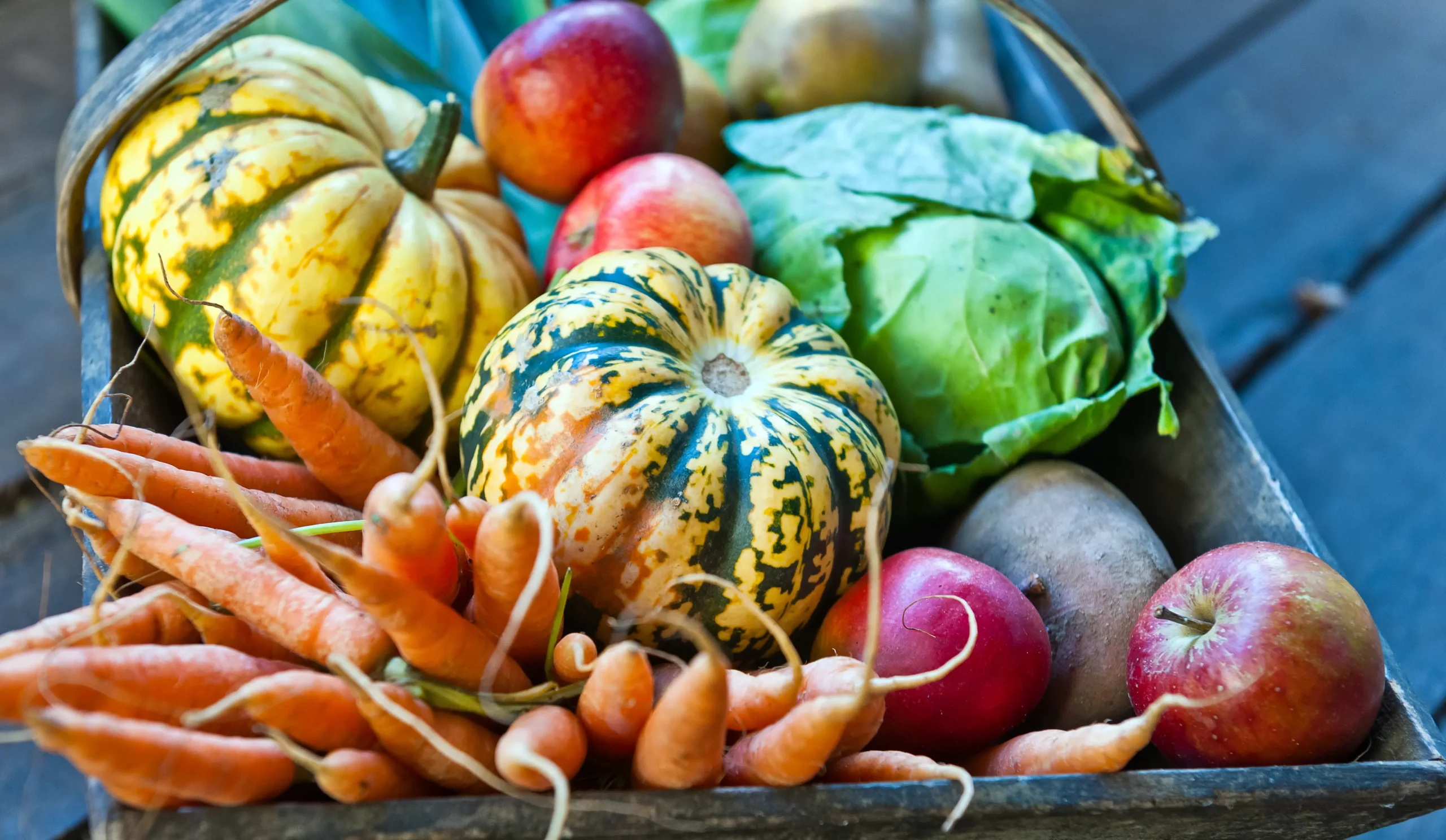
Winter sowing is not just a fashion statement. If done on time, neither winter frosts nor spring whims of nature will affect the fate of the harvest. Moreover, the first vegetables will reach our table 2–3 weeks earlier than with spring sowing. Experienced gardeners sow radish, turnip, rutabaga, beet, carrot, parsley, celery, and dill for winter. Often novice summer residents and young owners of country estates look for answers to the question of what timing is appropriate for pre‑winter sowing. Sowing begins in late autumn, when the soil has frozen to a depth of 2–3 cm, but the beds should be prepared in advance, before the frosts.
The technology is simple: first loosen the soil, then apply fertilizers. For 1 m² use 6 kg of humus, 25–30 g of phosphorus fertilizers, 12–15 g of potassium fertilizers, and 0.5 kg of wood ash. Dig the soil deeply, level the surface with a rake, make furrows across the beds up to 2.5 cm deep and 2–3 cm wide, with a spacing of 12–14 cm between furrows. Carrot, parsley, or dill are sown in these furrows.
For radish and turnip, prepare holes 2.5–3 cm deep. The spacing between them depends on the vegetable crop. Radish is sown with two seeds per hole, turnip with three. Before sowing, sprinkle the bottom of the furrows and holes with a layer of dry sand. Sow the seeds onto this sand. They are usually covered also with a layer of dry sand (1–1.5 cm); the remaining part of the furrows and holes (until level with the soil surface) is then covered with humus or peat compost. Dry sand creates the best conditions for overwintering the seeds.