Menu
The Main Secret of the Harvest of OJSC Mileiki
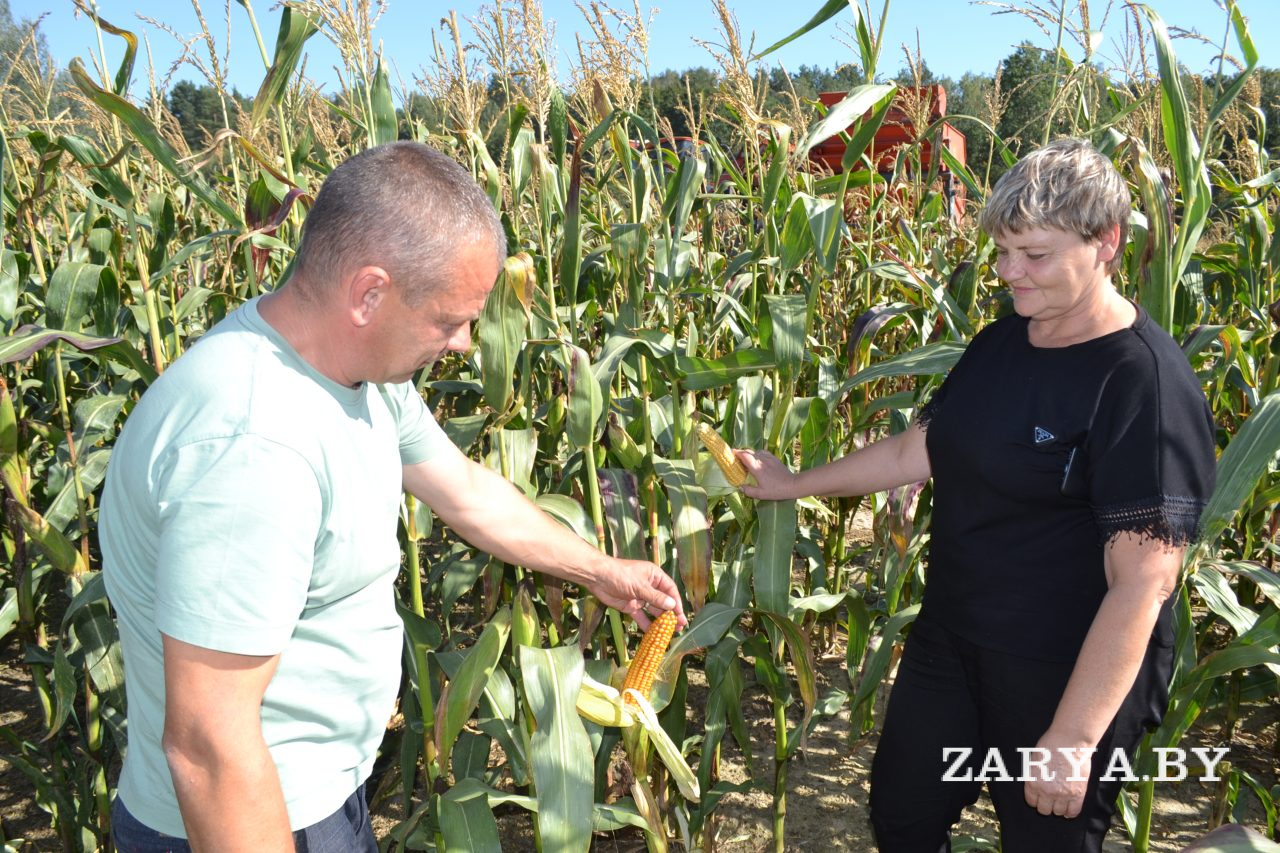
The harvesting campaign at OJSC Mileiki ended this year with results that make even the strictest agricultural experts nod with respect. We spoke with the director of the agricultural enterprise, Dmitry Pavlovsky, about how they managed to bring in a decent harvest, why young people have been drawn to the farm, and what tomorrow holds for Mileiki.
The director's office has a businesslike quiet, although Dmitry Ivanovich himself admits: he only managed to truly breathe a sigh of relief a couple of days ago. When you ask him about figures, he is in no hurry to rattle off percentages and tons. For him, behind every indicator stands a specific person.
“You know, I’m often asked: what’s the secret? Maybe new combines or good weather?” Dmitry Ivanovich smiles. “Of course, equipment is important, and the weather must not let us down either. But honestly: the result is a consequence of discipline and that very sense of ownership. This year we focused on strict adherence to technology. Not haphazardly, but strictly on schedule: sowing, fertilizing, protection. When every worker at his post understands that the shared harvest depends on his work, the result follows. Just today we are finishing harvesting corn for seed. The yield is not bad – 117 centners per hectare. Rapeseed pleased us this year – 31 centners per hectare. We harvested grain crops from an area of 2,213 hectares, with an average yield of 33.9 centners per hectare. Corn is yielding well – so far we have 269, while last year it was 200. We have already laid in 11,500 tonnes of haylage. So we will be provided with feed. Seven combine crews worked on the harvest. A crew consisting of combine operators Sergei Shinkevich and Igor Gordeichuk threshed more than 2,000 tonnes of grain. Thousand-tonners: Sergei Kalmak, Maxim Sheika, Vladimir Kostyuk. Drivers Valentin Eremeiko and Valery Nikolenko distinguished themselves in hauling grain.”
“Dmitry Ivanovich, this year several young specialists came to Mileiki. For a village this is always a challenge: how to keep the young people, how to make sure they don’t look toward the city?” I ask the director.
The director visibly perks up. It is clear that the topic of young people is personal to him.
"Yes, the young people came with a desire to work. They have the knowledge base, but not much experience. At first it wasn't easy: some had to get used to the schedule, others to the responsibility. But we try to create conditions. Not just housing, although that's the foundation, but also the attitude. It's important for a young specialist to feel that he's not a 'cog' but a full-fledged participant in the process. We give them the opportunity to prove themselves, we entrust them with serious machinery. And when a guy sees that his work is valued, that he earns decent money, he no longer thinks about leaving. He thinks about how to plow the field better tomorrow. That is our main investment," the director explains.
"And if we look a little further ahead? How do you see Mileyki in five years?"
Dmitry Ivanovich pauses, looking out the window at the fields already being prepared for the next season. Then he says:
"Prospects? We don't want to just stay afloat. We want to develop. Our plans include modernizing the livestock complexes and introducing precision farming. We want our farm to be modern, high-tech, but at the same time keep its soul. Agriculture isn't just about profit. It's about making the people who live here feel confident. It's about having life in the village, schools working, young people building homes here. If we can combine modern technology with a strong team where the older generation passes on experience to the younger one, then we're doing everything right."
As a farewell, Dmitry Ivanovich adds:
"The harvest is the finish of one stage, but the start of the next. At Mileyki, we're not used to stopping. We keep working!"