Menu
The global steel market: how $1 trillion of metallurgy keeps the dollar at the center of the industry
Author and editor‑in‑chief: Vitaliy Kisterny 25.10.2026 07:05:00
When a German automobile plant orders a batch of high‑strength steel from a Korean producer, when a construction company in India buys rebar from a Chinese exporter, when a machine‑building plant in Brazil imports sheet metal from Japan — all of these transactions go through the dollar system.
The global steel market exceeds $1 trillion a year, and a significant portion of international trade in this metal is denominated in U.S. dollars.
ArcelorMittal, POSCO, Nippon Steel, Baosteel, Nucor — the largest producers — operate through dollar contracts, even though their headquarters are in Europe, Korea, or China. Iron ore, coking coal, and metallurgical equipment are also traded in dollars. Steel is yet another invisible pillar of the dollar that almost no one talks about.
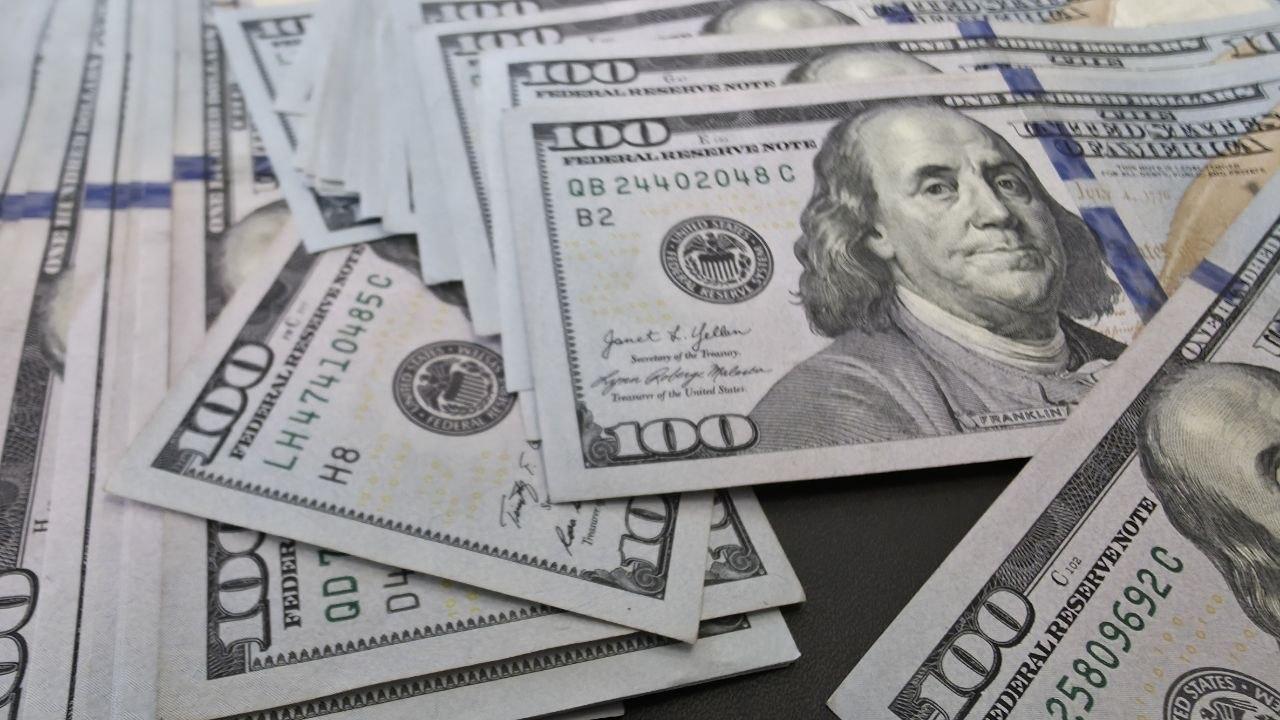
Photo: © Belnovosti / U.S. dollar. Author Vitaliy Kisterny Why the steel market operates in dollars
Steel is the foundation of modern industry. It is used to build houses, bridges, cars, pipelines, and machinery. Steel is produced in China, India, Japan, the United States, Korea, and Europe, but it is traded on the global market where the dollar has historically become the standard currency for settlements.
The reason is simple: key elements of the supply chain are denominated in dollars. Iron ore, the main component of steel, is mined in Australia and Brazil and sold in dollars. Coking coal,
Manufacturers and traders hold substantial dollar reserves. They use letters of credit, bank guarantees, and hedging instruments denominated in dollars. This creates a steady demand for the U.S. currency.
In recent years, this demand has intensified. Infrastructure programs in the United States, Europe, and India, the shift to renewable energy, and the construction of data centers require enormous volumes of steel. New projects in Asia and Africa are boosting demand for metallurgical raw materials. Every new batch is a new flow of dollars through the industry.
Who benefits from dollar-based steel
For the United States, the steel market is not just Nucor and US Steel. It also includes banks that finance production and trade. JPMorgan, Citigroup, Bank of America—all of them work with the largest producers and traders. This generates additional flows of capital in dollars.
For the dollar, steel is a steady source of demand. Even if other factors weaken, the world will still need metal for construction and industry. This makes the U.S. currency more resilient than one might expect.
For developing countries, steel is a challenge. Importers are forced to buy dollars to purchase metal and raw materials. This puts pressure on their national currencies and increases dependence on the U.S.
What this means for the dollar
Steel is an invisible yet fundamental support for the dollar. It creates a steady demand for the U.S. currency that is independent of Fed rates or geopolitics. As long as the world builds and manufactures, the dollar will receive support.
However, this support has a weak point. China and India are developing their own metal exchanges and promoting settlements in yuan and rupees. If this practice spreads, the dollar monopoly in steel trade could gradually weaken. But for now, even Chinese companies use the dollar for large international iron ore contracts.
What this means for the ordinary person
If you live in a house, drive a car, or use public transport, you are already part of this system. The cost of infrastructure and goods includes dollar expenditures on steel.
For those who hold savings in dollars, steel is an additional support. For those working in metallurgy or construction, it is an understanding of how global capital flows affect currency rates.
What's next
The global steel market will continue to grow. Urbanization, infrastructure projects, and the transition to green energy are creating demand for the metal. This means that the demand for dollars in the industry will only increase.
For the dollar, this means that it has another sustainable support that will not disappear in the coming decades. Even if other factors weaken, steel will remain a quiet haven for the American currency.
Belnovosti in Google Add to favorite sources