Menu
The global market for non-alcoholic beverages: how Coca-Cola and Pepsi support the dollar
Author and Editor-in-Chief: Vitaliy Kisterny 19.10.2026 07:05:00
When a buyer in Mexico purchases a bottle of Coca-Cola, when a school student in India buys Pepsi, when an athlete in Germany drinks Red Bull, when a tourist in Thailand orders a local soft drink produced under license by an American company - all these transactions pass through the dollar system.
The global soft drink market exceeds $1 trillion per year, and American companies control a significant part of it.
Coca-Cola, PepsiCo, Keurig Dr Pepper, Monster Beverage - all of them are based in the US. Their syrups, concentrates, licenses, and franchises are denominated in dollars. Even when a European or Asian manufacturer releases a drink under license, it pays royalties in American currency. Soft drinks are another inconspicuous pillar of the dollar, which almost no one talks about.
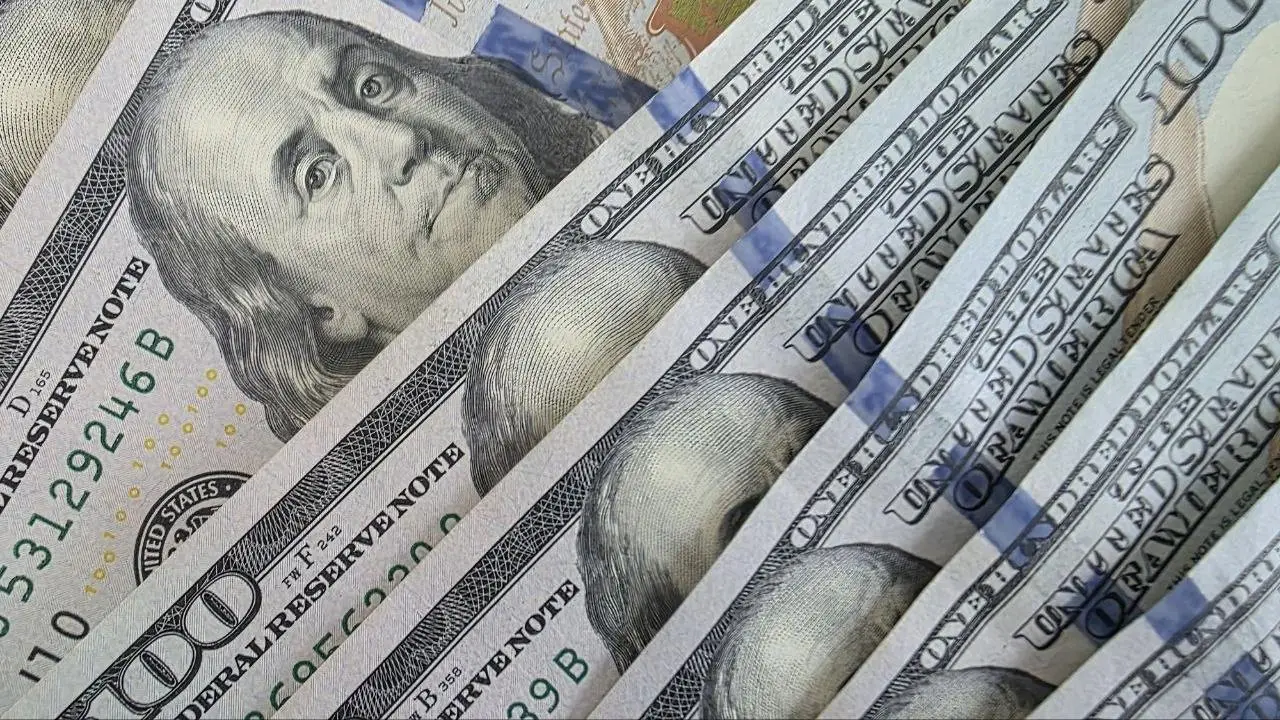
Photo: Belnovosti / US dollar. Author Vitaliy Kisterny
Why the beverage market operates in dollars
Soft drinks are one of the most globalized consumer industries. Coca-Cola is sold in more than 200 countries, Pepsi in 190. Their brands are recognizable everywhere, and production is organized through a network of licensees and franchisees around the world. For such an industry, a currency that is accepted everywhere is needed. And this currency has historically been the dollar.
The reason is simple: the largest manufacturers are American. Coca-Cola and PepsiCo are based in the US. Their contracts with bottlers, licensing agreements, and supplies of concentrates are denominated in dollars. Keurig Dr Pepper and Monster Beverage are also American companies operating in American currency. Even Red Bull, an Austrian company, purchases ingredients and equipment through dollar-denominated contracts, because its largest market is the US.
Moreover, the largest bottlers - Coca-Cola Europacific Partners, Coca-Cola FEMSA, PepsiCo bottlers - operate through dollar-denominated contracts with their parent companies. They pay for concentrates, receive licenses, and report in American currency. This creates a de facto standard for the entire industry.
How the beverage market creates demand for dollars
Every time a bottler purchases concentrate or pays royalties, it needs dollars. Even if the plant is located in India or Brazil, it converts its national currency into dollars for settlements with the American headquarters.
Manufacturers and licensees hold significant dollar reserves. They use letters of credit, bank guarantees, and hedging instruments denominated in dollars. This creates a sustainable demand for the US currency.
In 2026, this demand has intensified. The beverage market is growing due to demand for healthy drinks, energy drinks, and premium water. New markets - Asia, Africa, Latin America - are becoming key sources of growth. Each new bottle is a new stream of dollars flowing through the industry.
Who benefits from dollar-denominated beverages
For the US, the beverage market is not just about Coca-Cola and PepsiCo. It is also about the banks that finance production and trade. JPMorgan, Citigroup, Bank of America - all of them work with the largest manufacturers. This creates additional capital flows in dollars.
For the dollar, beverages are a sustainable source of demand. Even if other factors weaken, people will always drink. This makes the US currency more sustainable than one might expect.
For developing countries, beverages are a challenge. Bottlers are forced to buy dollars to pay for concentrates and royalties. This creates pressure on their national currencies and increases their dependence on the US currency.
What this means for the dollar
Soft drinks are an inconspicuous but important support for the dollar. They create a sustainable demand for the US currency that is independent of Federal Reserve rates or geopolitics. As long as the world drinks soda, the dollar will receive support.
However, this support has a weak point. If China or other countries create their own competitive brands and start promoting them in yuan, this could gradually undermine the dollar's monopoly. China is already developing its own beverages and exporting them to Asia and Africa.
What this means for the average person
If you buy soda or energy drinks, you are already participating in this system. The prices of imported beverages are tied to the dollar, even if you buy them in Europe or Asia.
For those who hold savings in dollars, beverages are an additional support. For those who work in the food industry, it is an understanding of how global capital flows affect exchange rates.
What's next
The global soft drink market will continue to grow. Demand for healthy drinks, energy drinks, and premium water is increasing. This means that demand for dollars in the industry will only continue to grow.
For the dollar, this means it has another stable support that will not disappear in the coming decades. Even if other factors weaken, drinks will remain a quiet haven for the American currency.
Belnovosti in Google Add to favorite sources