Menu
Students as an export: how foreigners paying for education in the US support the dollar
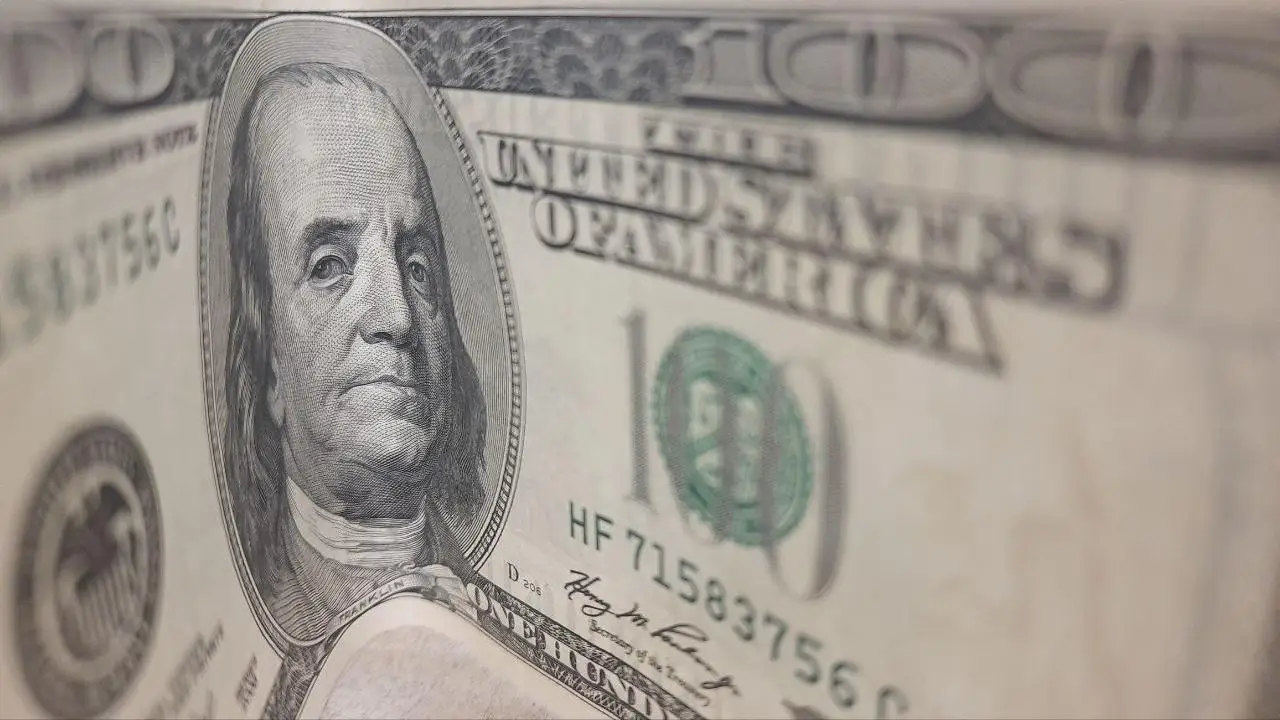
The United States is the world's largest exporter of education. Every year, more than a million foreign students come to study at American universities, and they pay in dollars.
Estimates show that foreign students contribute more than $45 billion a year to the U.S. economy — more than the exports of many countries. This sum includes not only tuition but also expenses for housing, food, books, transportation, and entertainment.
For the dollar, this means a steady inflow of capital that is independent of Federal Reserve rates or geopolitics. But this pillar has a weak spot: if the United States closes its doors to foreign students, the dollar will lose one of its inconspicuous but important sources of support.
The United States is the world's largest exporter of educational services. American universities rank at the top of global rankings, and students from around the world strive to obtain an American diploma. This creates a steady demand for dollars.
Foreign students pay for tuition in dollars. They rent housing in dollars. They buy food, books, equipment, and services in dollars. Each of them is a mini‑export that brings currency into the United States.
According to the Institute of International Education, in 2026 more than 1.1 million foreign students studied in the United States. They contributed about $45 billion to the economy — a sum comparable to the exports of entire industries. For comparison: U.S. soybean oil exports amount to about $30 billion a year, while civil aircraft exports are about $50 billion.
Who pays and how much
The largest sources of foreign students are China, India, South Korea, Saudi Arabia, and Canada. China and India together account for more than half of all foreign students in the United States.
Foreign students pay more than American students. At public universities they often pay two
Foreign students are not only money. They are also a soft power. Graduates of American universities often become leaders in their countries — politicians, businessmen, scientists. They maintain ties with the United States, which strengthens American influence.
However, in 2026 this soft power came under threat. Immigration policy