Menu
Steel production in the EU has fallen to a historic low.
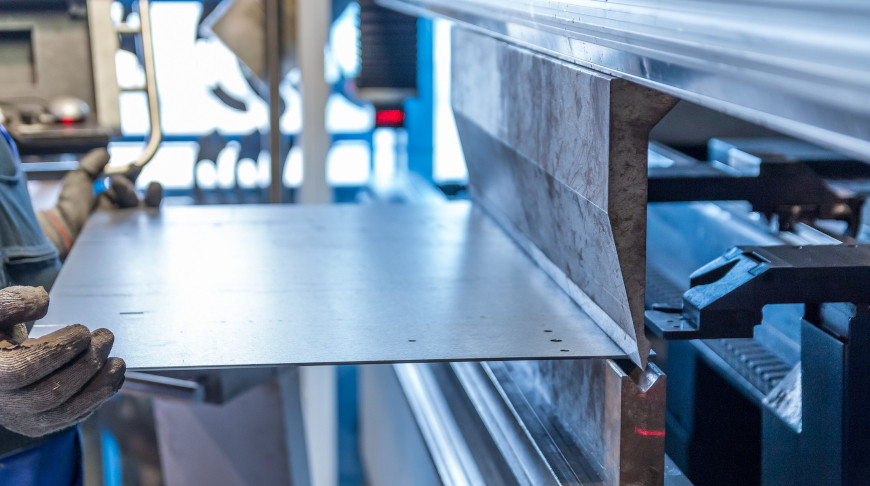
Steel production in the European Union is at a historically low level, and exports have fallen by 20% due to a sharp rise in energy prices, US tariffs, and the effects of a large steel supply from China, reports the Financial Times.
"We are the only major region that is cutting steel production capacity," said Axel Eggert, head of the European steel producers association Eurofer. In his view, the industry will not return to previous volumes, which were around 155 million tonnes in 2015.
Europe is the second-largest steel-producing region in the world, but these volumes pale in comparison to those in Asia, which accounts for nearly three-quarters of global crude steel production, while Europe accounts for 14%.
According to the World Steel Association, the EU is the fourth-largest steel exporter after China, Japan, and South Korea, yet it is also the largest importer. At the same time, total export volume fell by 20%, and raw steel production in the bloc dropped by 3% in 2025 and another 1% in the first five months of this year.
According to Eurofer data, EU exports to the United States in the first half of 2026 fell by 29% compared with the same period last year due to 50% US tariffs on steel imports. Exports to Turkey, India, and China dropped by at least 18%, as European companies found themselves at a disadvantage because of cheaper foreign products.
Brussels' duties on certain Chinese imports have led to a greater volume of Chinese products being redirected to other markets where European steel producers sought to compete. They continue to face numerous challenges, including persistently high energy costs, which are further exacerbated by the Middle East conflict, with EU gas prices having risen significantly since the start of the year.
Experts warn that high production costs in Europe are dangerous because they make steel products for customers such as automakers too expensive to sell abroad.