Menu
Sony: "Reasonable consumers" understand that they do not own digital copies of games
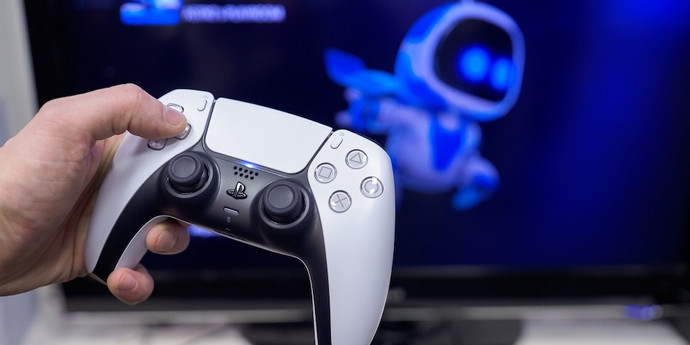
Sony has stated in court that “reasonable consumers” fully understand that purchasing a digital game does not mean the game becomes their property. Video Games Chronicle writes more about this in an article.
As a reminder: in June, four players filed a class-action lawsuit against Sony Interactive Entertainment. According to their version, the company allegedly violated California state law (USA) by not indicating in the PlayStation Store that players are purchasing a license for a game, not the game itself.
According to the plaintiffs, because the PlayStation Store uses wording such as “Buy Now” and “Confirm Purchase,” users may get a distorted impression that they are buying a copy of the game that becomes their property, rather than a license to access the game, which Sony can revoke at any time in the future.
Sony, for its part, appeals to internal documents — in other words, the user agreement. According to the company, it explains its position sufficiently. At the same time, Sony’s lawyers also believe that “any reasonable gamer” who has paid for a digital game should understand that owning it is impossible. Otherwise, no one else would have another copy.
“If that were the case, plaintiff Edward Haycock would not have been able to purchase the game Resident Evil Requiem on February 25, 2026 for $69.99 in the PlayStation Store after plaintiff Jason Mendoza purchased Resident Evil Requiem on February 14, 2026, because then it would be owned by Mr. Mendoza, not Sony,” reads an excerpt from court documents.
This entire campaign unfolded against the backdrop of Sony’s decision to cease the production and sale of disc-based games starting in January 2028. For this reason and several others, Sony faces criticism from part of its audience.