Menu
Sober calculation: Belarusians have noticeably reduced purchases of classic alcohol, while sales of fruit and berry wines have halved.
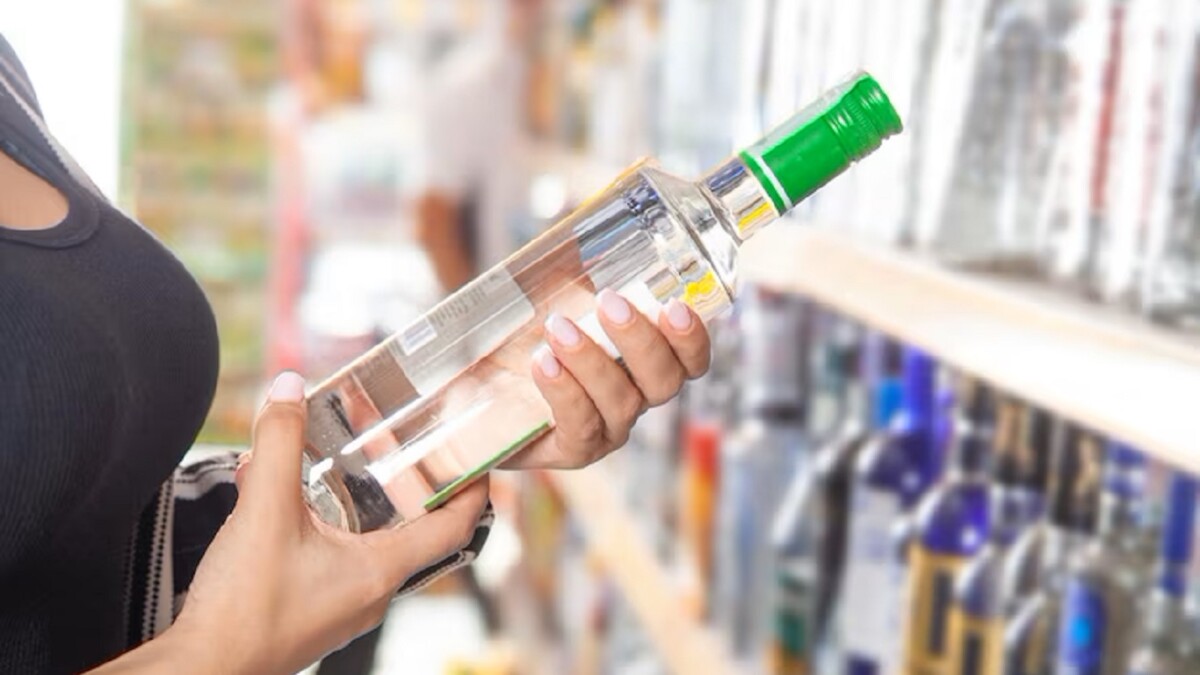
In retail trade in Belarus, a clear long-term trend has emerged: residents of the country are systematically reducing their consumption of traditional alcoholic beverages. Official statistics on sales over the past five years demonstrate an obvious pattern – classic strong spirits, wine, and beer are losing their positions, while the segment of cheap fruit wines is experiencing a massive collapse.
Strong alcohol and beer are losing popularity
The traditional leader in sales – vodka – recorded a significant decline over five years. Its volume of sales in the domestic market fell by 9%: if five years ago Belarusians bought 91.8 million liters of this drink per year, then now this figure has dropped to 83.1 million liters.
A small decline is also experienced by the most mass-market low-alcohol drink – beer. However here the demand fall is minimal and amounts to just 3% (a decrease from 470.5 to 456.5 million liters per year), which indicates relative stability of this segment.
Grape wines are going negative
The market for grape wine suffers much more noticeable losses. Over the five-year period its sales in the republic have fallen immediately by 20% – annual turnover decreased from 42.9 to 34.5 million liters. Experts attribute this to changes in import structure and rising prices, as well as the overall tendency toward reconfiguring consumer preferences.
Collapse of the "ink" era: sales fell twice
But all these figures pale in comparison to what is happening in the fruit-and-berry wine segment, which in popular circles was nicknamed "ink". This category had its own specific but extremely loyal audience for many years.
Over the last five years sales of fruit-and-berry wines in Belarus collapsed by half – a record drop from 66.7 to 33.5 million liters per year.
Category | Sales 5 years ago (million L/year) | Current Sales (million L/year) | Demand Change (%) | Beer | 470.5 | 456.5 | -3% | | Vodka | 91.8 | 83.1 | -9% | | Grape wine | 42.9 | 34.5 | -20% | | Fruit-wine | 66.7 | 33.5 | -50% |
What are the reasons for the changes?
Experts identify several key factors that led to such results:
State policy of restriction: In regions of Belarus targeted anti-alcohol campaigns are regularly conducted, the time of alcohol sales is limited, and in some areas the sale of low-quality fruit wines is completely prohibited or minimized.
Generational change: Young Belarusians increasingly choose between a healthy lifestyle, fitness, or alternative forms of leisure, completely abandoning heavy alcohol.
The rise in popularity of other categories: part of the audience is shifting to more expensive, refined, or low‑alcohol beverages (for example, ciders), which do not show such a sharp decline.