Menu
Shipping Containers: How Renting Steel Boxes Brings in Dollars to the American Currency
Author and editor‑in‑chief: Vitaliy Kisterny 26.10.2026 07:05:00
When a shipping company in Asia rents a fleet of containers from a global lessor, when a manufacturer in Europe orders new forty‑foot boxes from a Chinese factory, when a port operator in Latin America extends a cargo storage contract — all of these transactions go through the dollar system.
The global container market and its leasing are valued at tens of billions of dollars a year, and almost all contracts are denominated in U.S. dollars.
Triton International, Textainer, and CAI International — the largest leasing companies — operate in dollars. Chinese manufacturers CIMC and CXIC sell containers for dollars. Even when an Asian company rents containers from another Asian company, the settlement often goes through the U.S. dollar. Containers are yet another invisible pillar of the dollar that almost no one talks about.
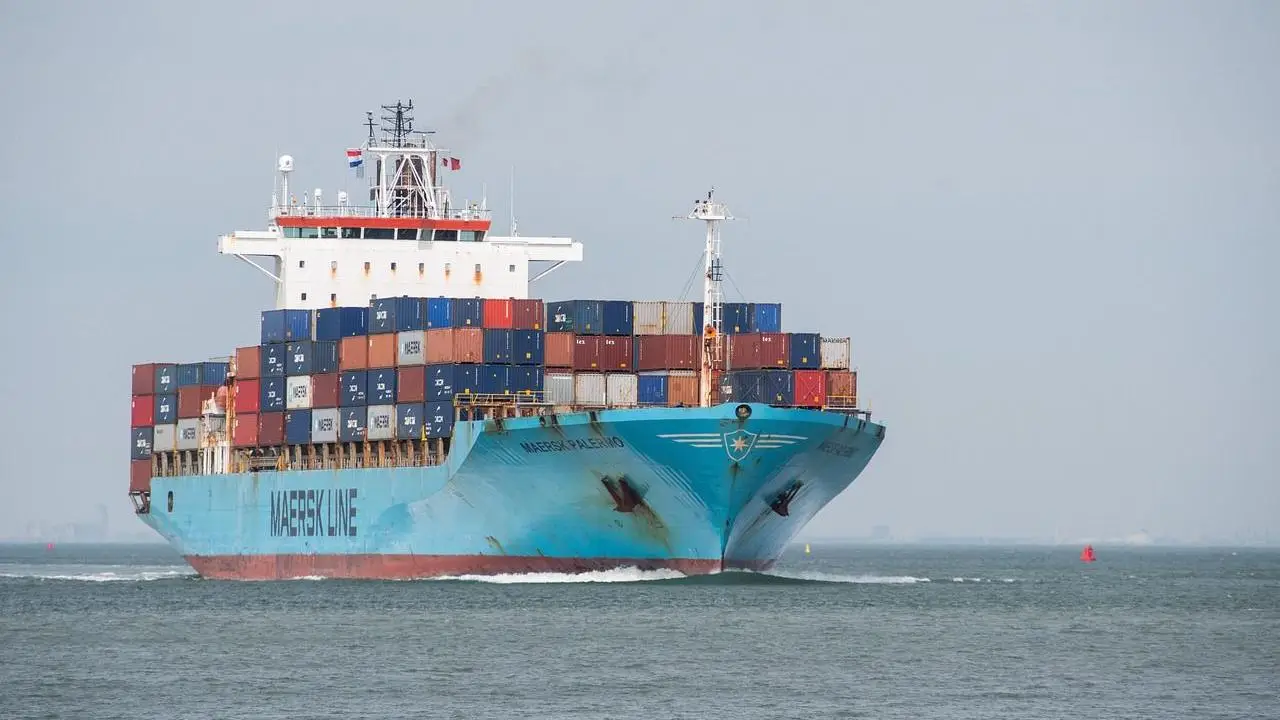
Photo: Pixabay / sea containers on a container ship. Illustrative photo Why the container market operates in dollars
Sea containers are the backbone of global trade. Without them, it is hard to imagine transporting goods from electronics to clothing. Containers are mainly produced in China, but they are rented and bought all over the world. A global industry like this needs a currency that is accepted everywhere. Historically, that currency has been the dollar.
The reason is simple: the largest leasing companies are American. Triton International, Textainer, and CAI International are headquartered in the United States and operate in dollars. Their contracts with shipping lines, deposits, and insurance payments are denominated in U.S. dollars. Chinese manufacturers CIMC (China International Marine Containers) and CXIC (China International Marine Containers Group) sell containers for dollars because their customers are global carriers that operate in U.S. dollars.
Moreover, container lease rates published in industry indices are quoted in dollars per day or per month. Deposits that carriers leave with lessors are
Leasing companies and manufacturers hold substantial dollar reserves. They use letters of credit, bank guarantees, and hedging instruments denominated in dollars. This creates a steady demand for the U.S. currency.
In recent years that demand has intensified. Growth in global trade, supply‑chain disruptions, and the need to replace aging containers have led to record orders for new boxes. Each new container is a new flow of dollars through the industry.
Who benefits from dollar‑based containers
For the United States, the container market is not just about Triton and Textainer. It also involves banks that finance leasing companies and trade. JPMorgan, Citigroup, Bank of America—all of them work with the largest players. This creates additional flows of capital in dollars.
For the dollar, containers are a steady source of demand. Even if other factors weaken, the world will continue to trade, and therefore will need containers. This makes the U.S. currency more resilient than one might expect.
For developing countries, containers are a challenge. Shipping companies are forced to buy dollars to rent and purchase containers. This puts pressure on their national currencies and increases dependence on the U.S.
What this means for the dollar
Containers are an invisible yet important pillar of the dollar. They generate a steady demand for the U.S. currency that is independent of Fed rates or geopolitics. As long as the world trades, the dollar will receive support.
However, this support has a weak point. China is developing its own leasing companies and promoting settlements in yuan. If this practice spreads, the dollar monopoly in the industry could gradually weaken. But for now even Chinese companies use dollars for large international deals.
What this means for the ordinary person
If you buy goods brought from abroad, you are already participating in this system. The cost of delivery, embedded in the price of the product, is tied to dollar rates for container rentals.
For those who hold savings in dollars, the container market is an additional support. For those working in logistics or foreign trade, understanding how global capital flows affect currency rates.
What next
The global container market will grow. Trade expands, and new routes open. This means that demand for dollars
For the dollar, this means it has another stable support that will not disappear in the coming decades. Even if other factors weaken, containers will remain a quiet haven for the American currency.
Belnovosti in Google Add to favorite sources