Menu
Restored to please his parents. The story of resurrecting an old Volvo 740.
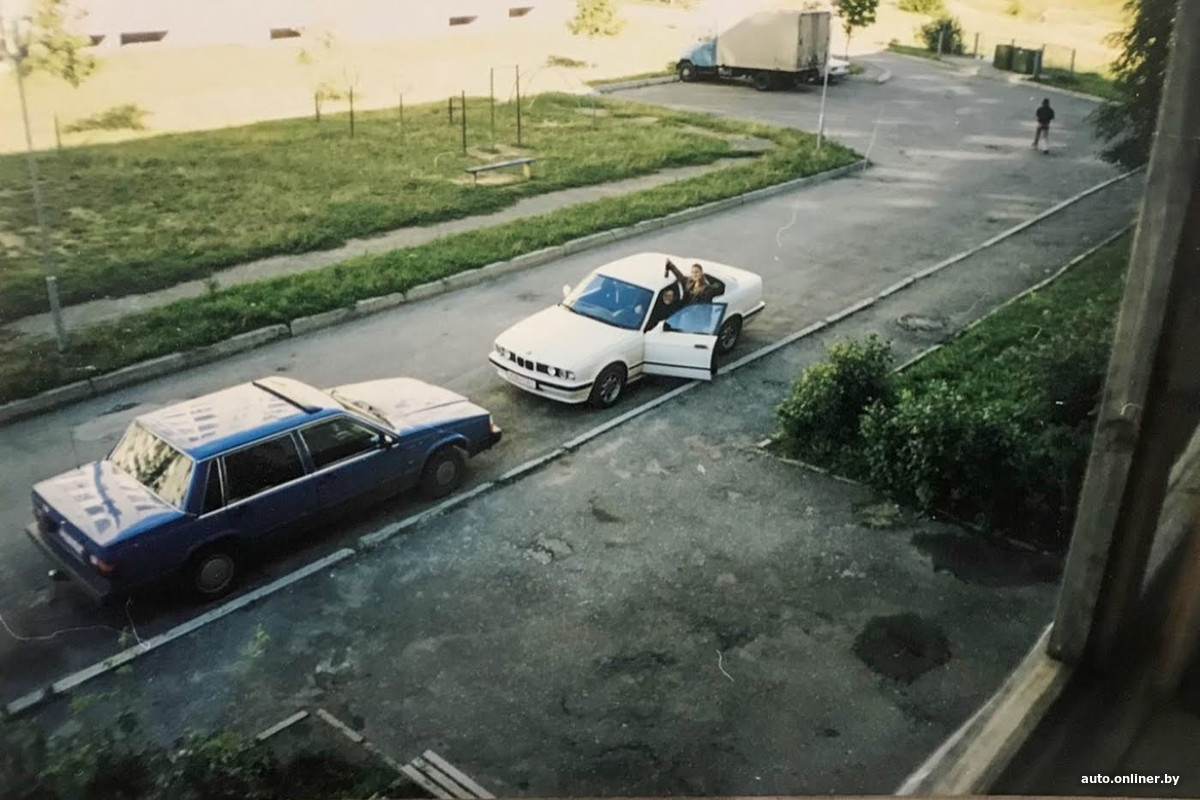
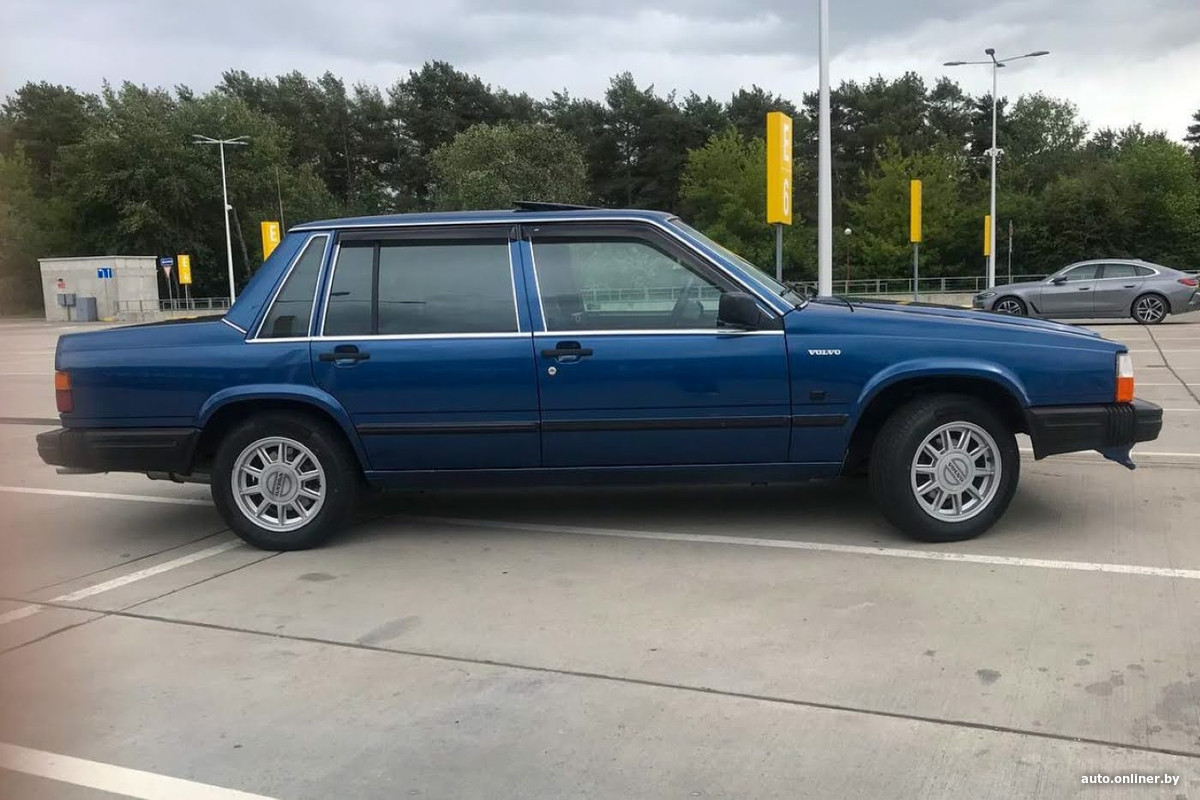
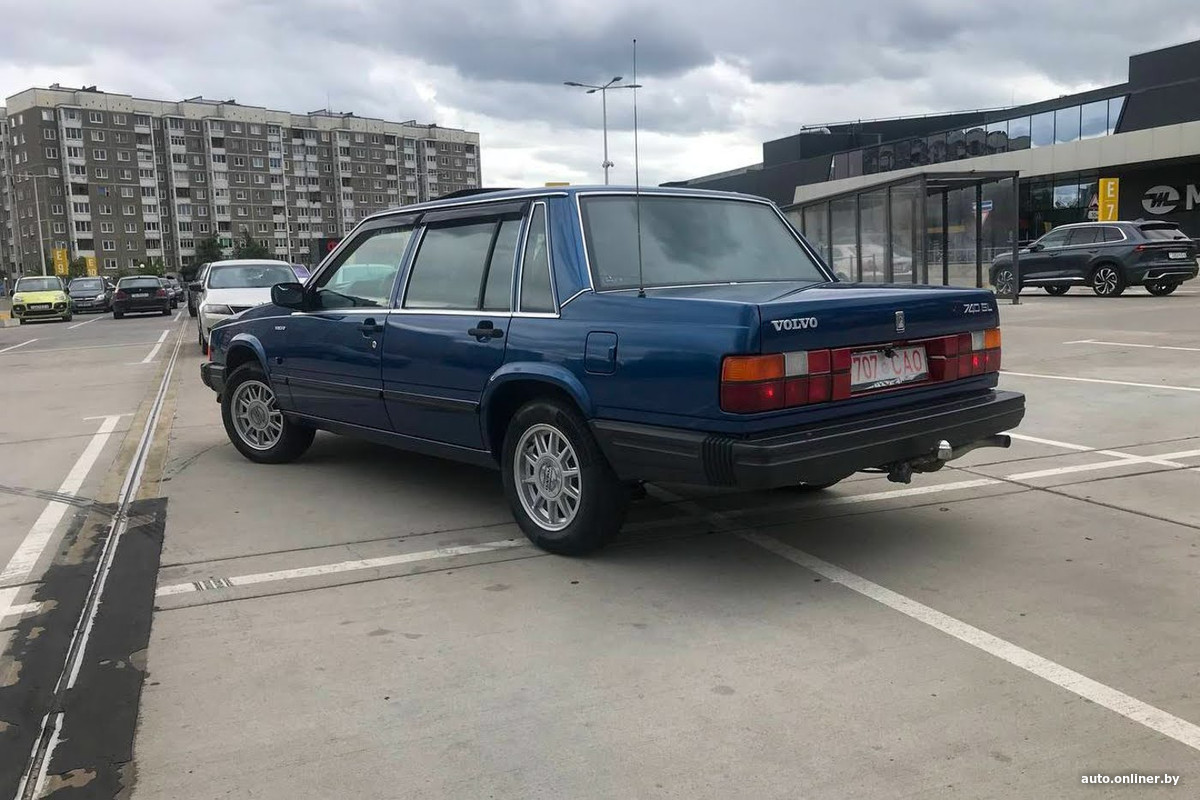
This car was bought in Grodno back in 1998. The task was standard: driving around the city, to the dacha, and for other family errands. After 15 years, the urgent need for personal transport faded, but the owner decided not to sell the car. Sometimes it was driven short distances, but most of the time it sat in the courtyard parking lot, gradually losing its former shine. Over the years, the paint faded, rubber suspension parts cracked, and corrosion appeared on the metal. The owner's son Ivan decided to give the car a second life. Today we'll tell the story of its restoration, how much it cost, and why an old Volvo is able to prolong its own youth.
Almost 30 years ago
This car didn't come to Ivan's parents by chance. They had been eyeing it for quite a long time.
"My father bought the car in Grodno," the man begins his story. "It has an interesting history. In those years, the car business was very popular, and cars were actively brought from Europe. Our neighbor was just doing this together with a foreigner — either a Belgian or a German, I can't remember exactly now. But I think it was a German after all."
This foreigner constantly came to Grodno on business in his personal Volvo 740 GL. The car often stood under our windows and, so to speak, became a familiar sight. My father walked around it, examined it, he really liked it. At some point, the neighbor noticed this and says: "Listen, actually, the owner is ready to sell it to you, he'll get another one for himself." Dad talked to the owner, they shook hands, and so this "Swede" appeared in our family. We took it directly from that German for $2,800. At that time, the car was exactly 10 years old, and the mileage was just under 200,000 km. Under the hood — a gasoline inline naturally aspirated "four" with a displacement of 2.3 liters, paired with a 5-speed manual.
"But the registration certificate says 2000..."
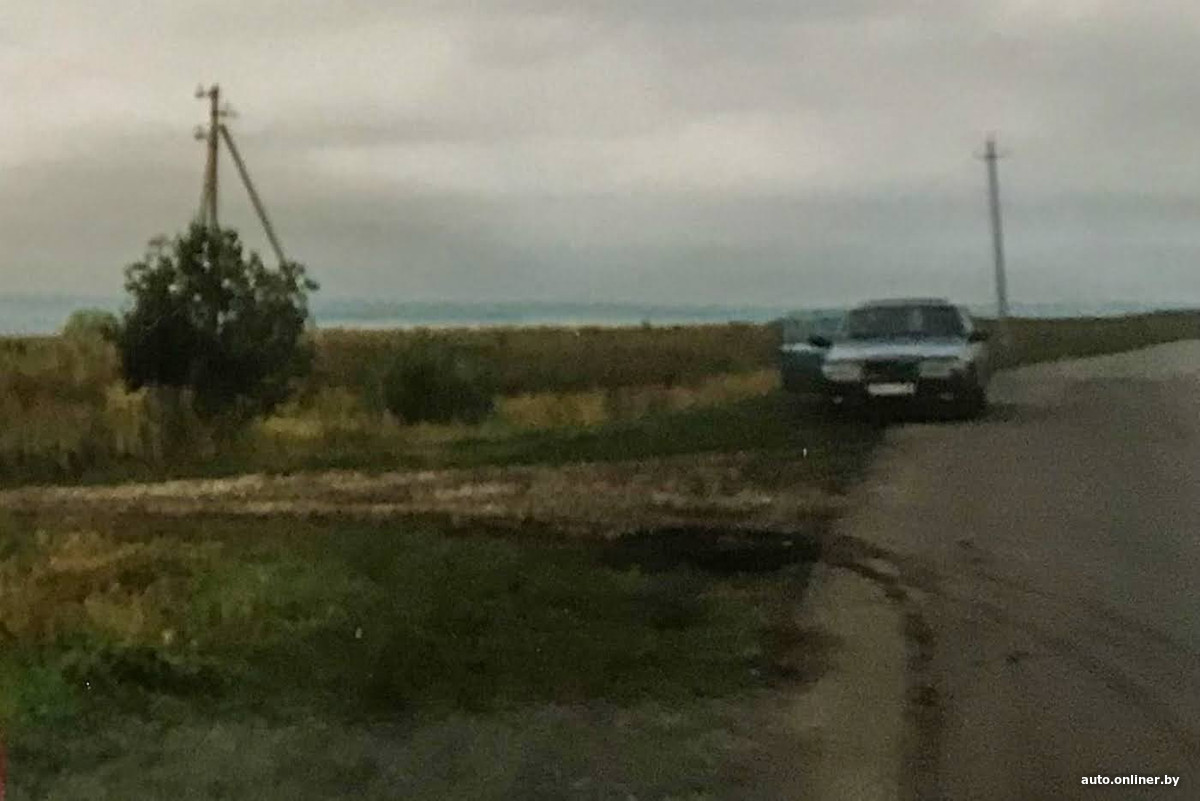
"Father himself doesn't remember now why it happened that way. Most likely, for quite a long period of time he simply drove it under some kind of general power of attorney. And the Volvo was officially re-registered only when my parents were preparing for a very long trip to Russia — to relatives in Samara. We even have a photo from that journey. We specially measured: from the entrance of our house in Grodno to the entrance in Samara, it was exactly 2,150 km one way. Including the road back and trips there, the total came to about 5,500 km. Perhaps this was the longest and most extensive voyage of this car in its entire history in our family."
Time takes its toll
The idea of bringing the Volvo 740 back to the roads didn't come to Ivan by chance. Watching his father's once-beloved car gather dust and rust in the yard, he realized: this sedan was not just old iron, but an important part of the family's history. For the head of the family, the car had been a faithful companion for many years, and bringing it back to life meant giving his father back the warm memories of the times when the whole family set off on long trips together.
"The main goal of this entire project is simply to make my parents happy," Ivan shares. "This car is their youth. They bought it when they were even younger than I am now."
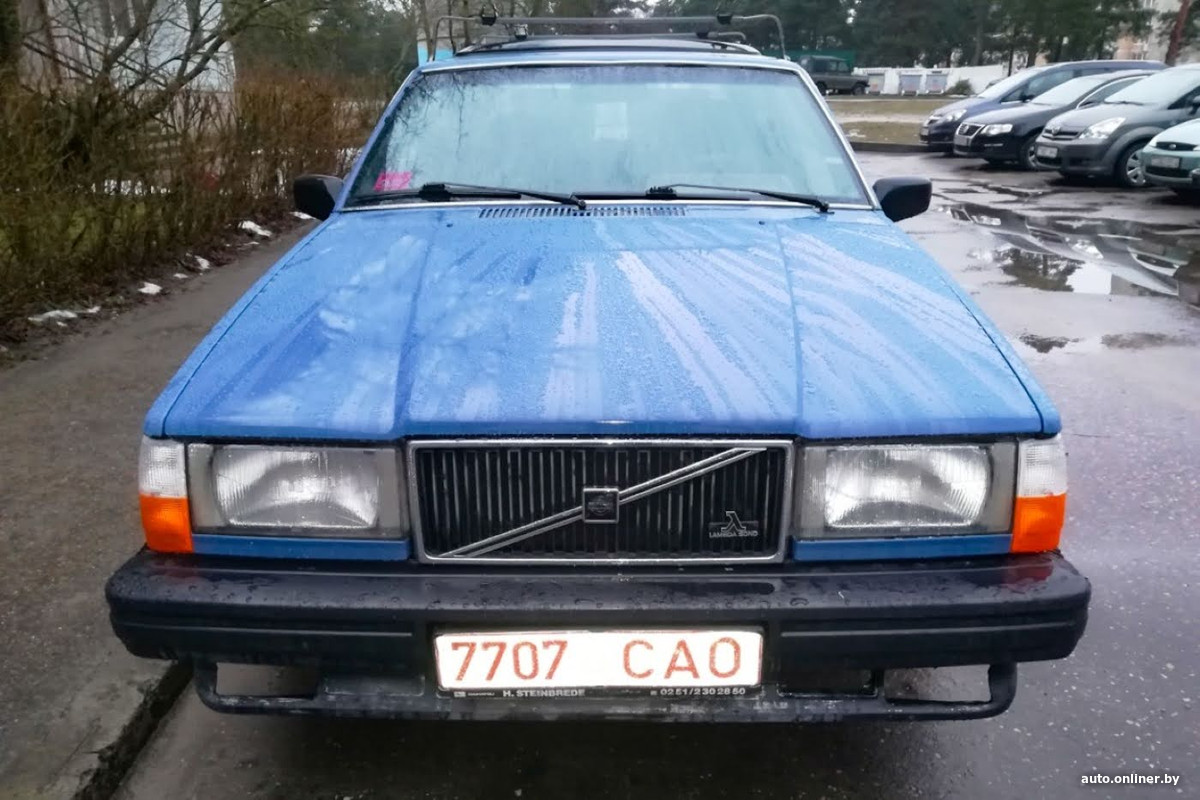
"At some point I sat down and had a frank conversation with my father: 'Dad, you hardly drive it anyway. Let me take the car and work on it.' That was in 2023. My father agreed, and I got to work. The car was drivable, but already had issues. It was decided to bring the Volvo back to the condition it was in when purchased—that is, to perfect condition."
Restoring the bodywork
Ivan took his parents' Volvo and drove it under its own power to the other end of the city. The man doesn't hide it: even then he understood perfectly well what difficulties he would have to face.
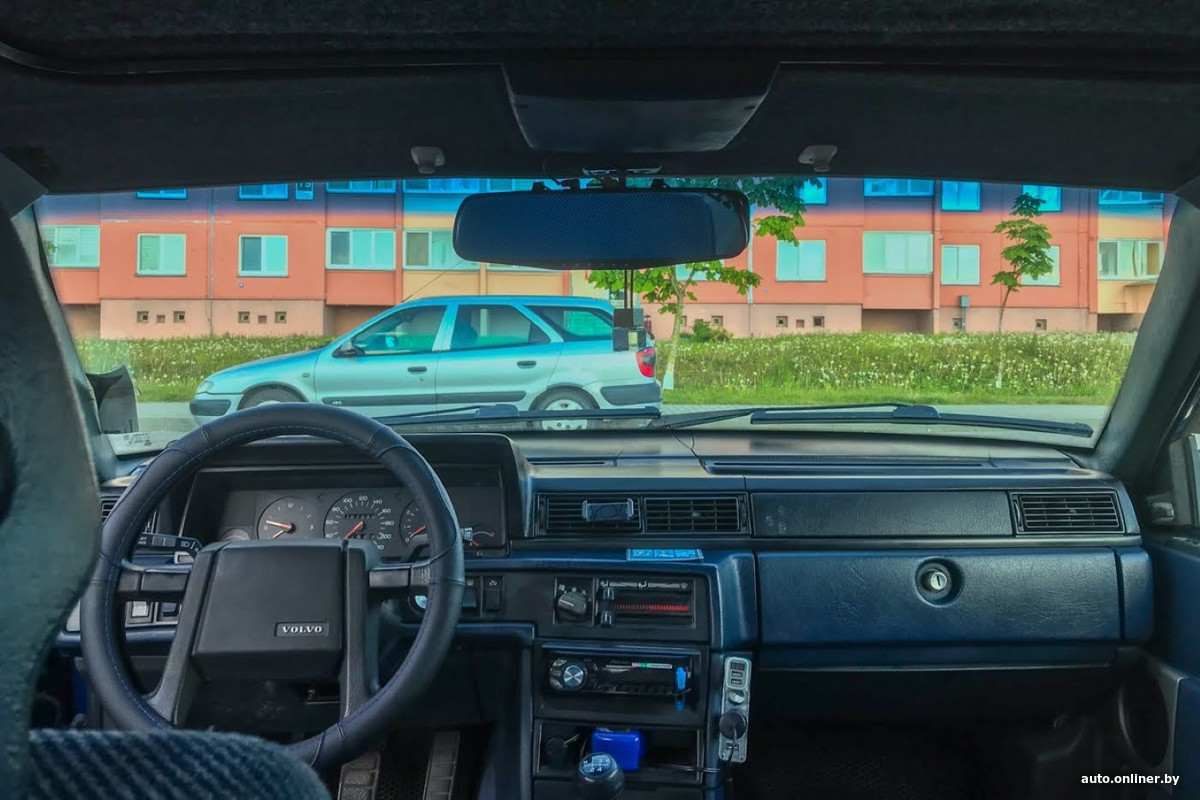
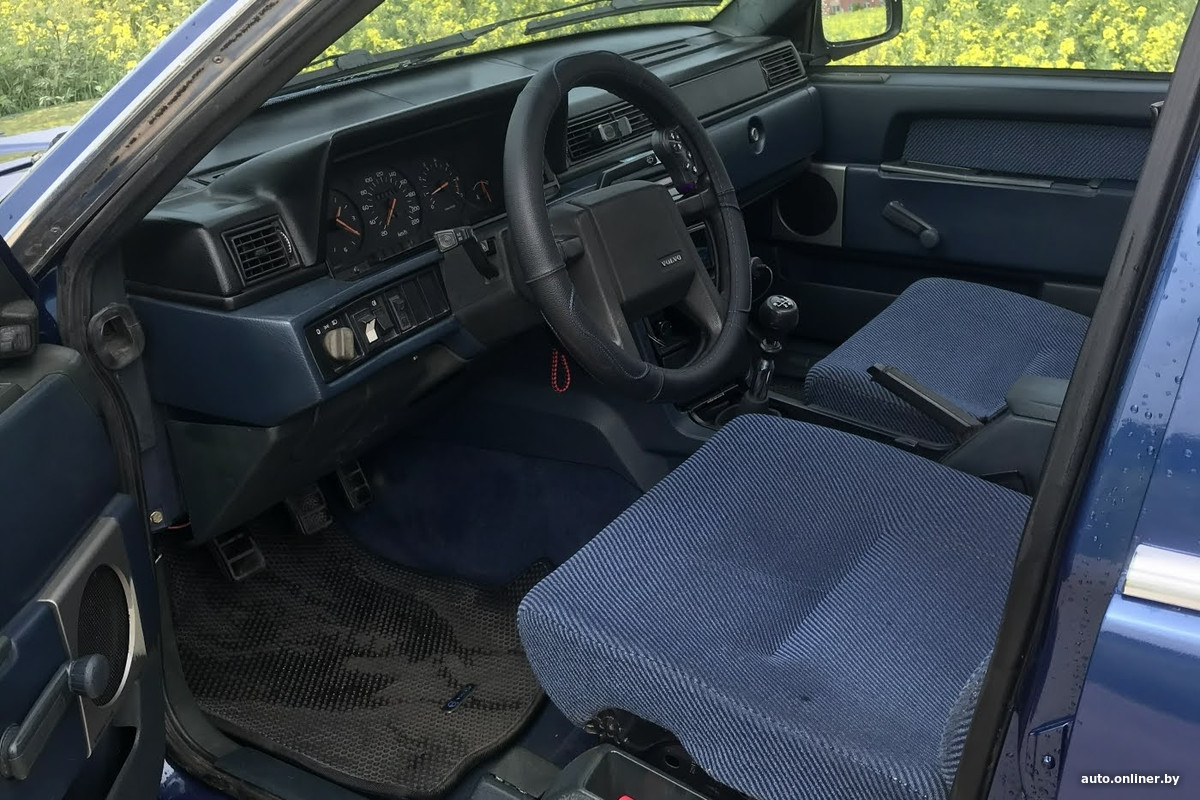
"Even on the way there, it became clear that the brake system would be a problem: the pads had seized, and the discs had long been due for replacement," Ivan notes. "But my first task was to completely strip the interior. And it had to be done with jeweler-like precision so as not to damage a single component. The plastic had become very brittle with age. Owners of the 740 and 940 series know very well that the condition of the interior plastic in these models leaves much to be desired over time. On the other hand, it would be silly to blame the engineers—in the late 1980s, no one could have imagined that almost 40 years later someone would decide to resurrect this car. For its time, everything was done magnificently, but now the parts had to be removed with the utmost care. I carefully removed all the fabric, seats, and carpeting and immediately sent them to a professional dry cleaner."
- What had to be done with the bodywork?
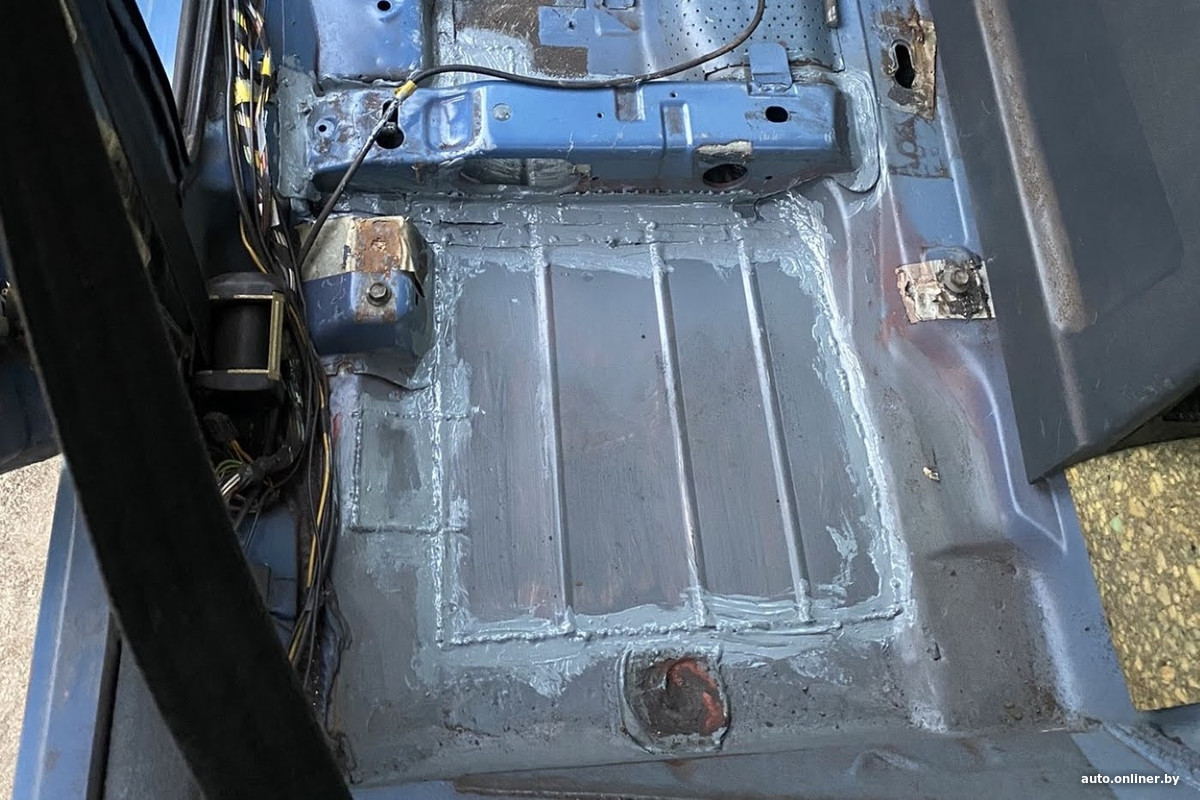
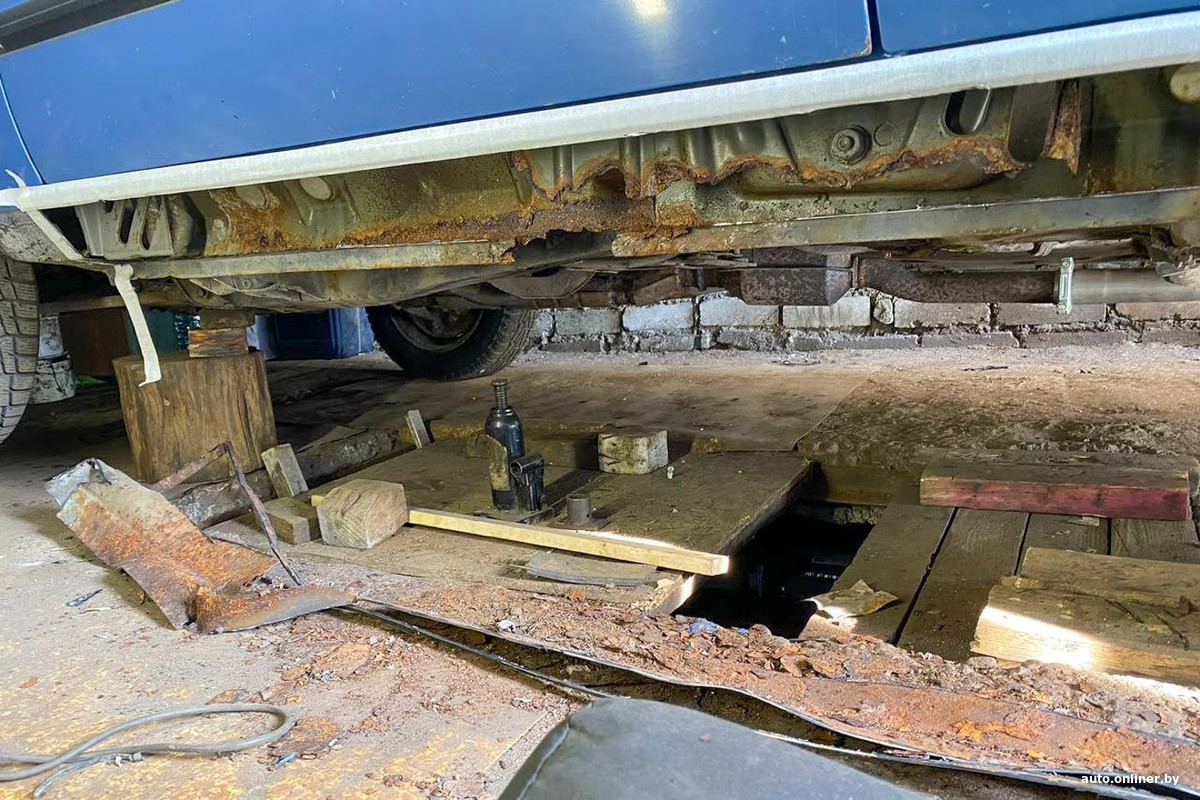
We completely re-welded one 'trough' — the passenger area behind the driver. We found excellent metal for this, taken from an original donor. We also replaced the rocker panels and their reinforcements. Here and there, of course, we had to patch things up, but overall, for a 1988 car, the body had survived phenomenally. At that time, the car was 35 years old, but it could be lifted without any trouble on a regular hydraulic jack — the metal didn't dent or crack anywhere.
"Who did this work?"
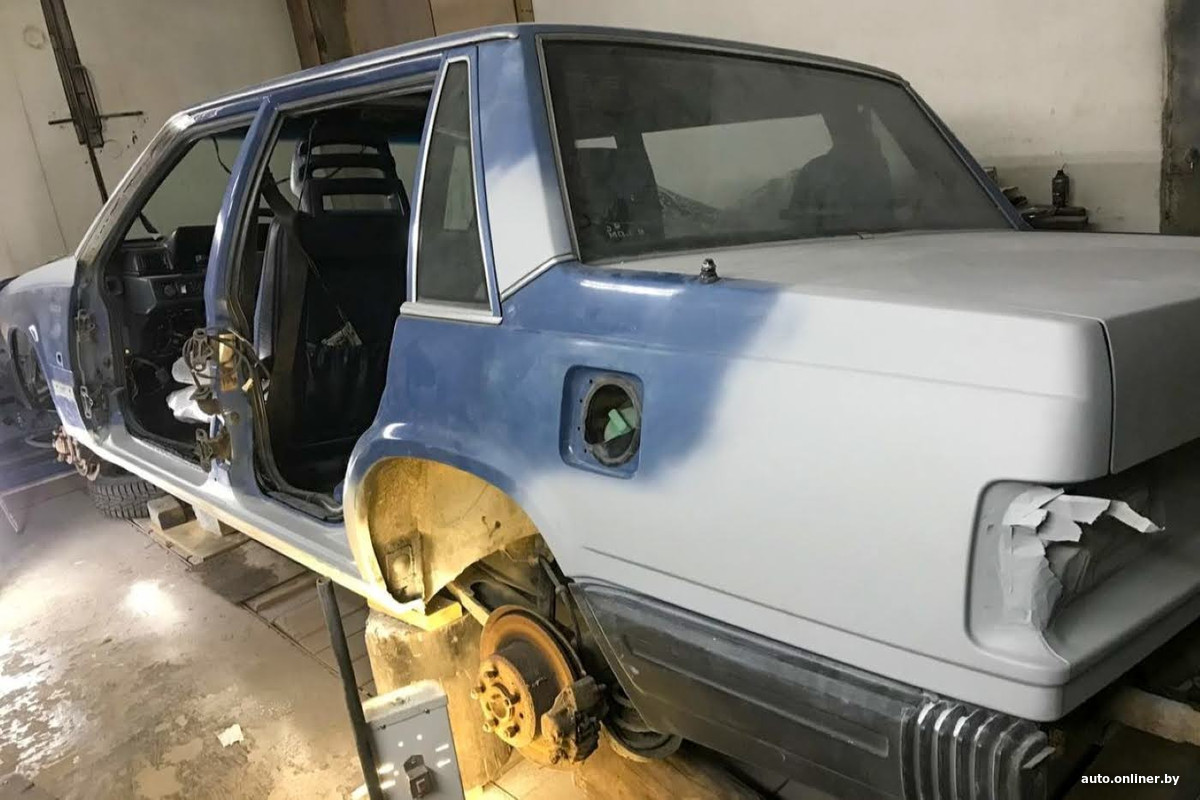
"I was extremely lucky here: the bodywork and painting were done by my very good friends. I was simply afraid to hand such a rare project to a large company — they could have painted it worse, and in general, hired mechanics often have an indifferent attitude toward other people's old cars. But here, the guys knew me and knew my reverent attitude toward this Volvo. The process went on even when I was out of town: my friends constantly sent me photos and voice messages with updates."
Suspension and Engine
Another important stage in restoring oldtimers is overhauling the suspension and engine. The main difficulty here lies in finding original spare parts. Although in rare cases, as happened with Ivan's Volvo, the original factory parts may have survived in perfect condition.
"It's hard to believe, but the rear shock absorbers were fully functional! And that's with a mileage of 300,000 km. The situation with the front suspension was different," the man says ironically. "We kept the steel control arms original: they were sandblasted, cleaned, and painted, after which a new rubber repair kit was installed. Absolutely all rubber parts were replaced: tie rod ends, ball joints, and reaction rod bushings. By all laws of physics and regulations, rubber lasts no more than 10 years. Given that our Volvo had simply been sitting for the last few years, and before that no one had ever touched the suspension, all these elements had cracked and looked, to put it mildly, not very good. The most surprising thing is that all the removed parts turned out to be factory-original — this was the first suspension repair the car had undergone in its 38 years!"
The brake system was partially preserved. I replaced all the discs, restored the calipers, and installed new pads. But I left the rubber brake hoses original — everything looks like it came from the factory.
"And what about the engine and gearbox?"
— I immediately replaced all the technical fluids: in the engine, gearbox, and rear axle. As for the engine, only the timing belt with the tensioner pulley and the crankshaft oil seal were replaced. Everything else remained original.
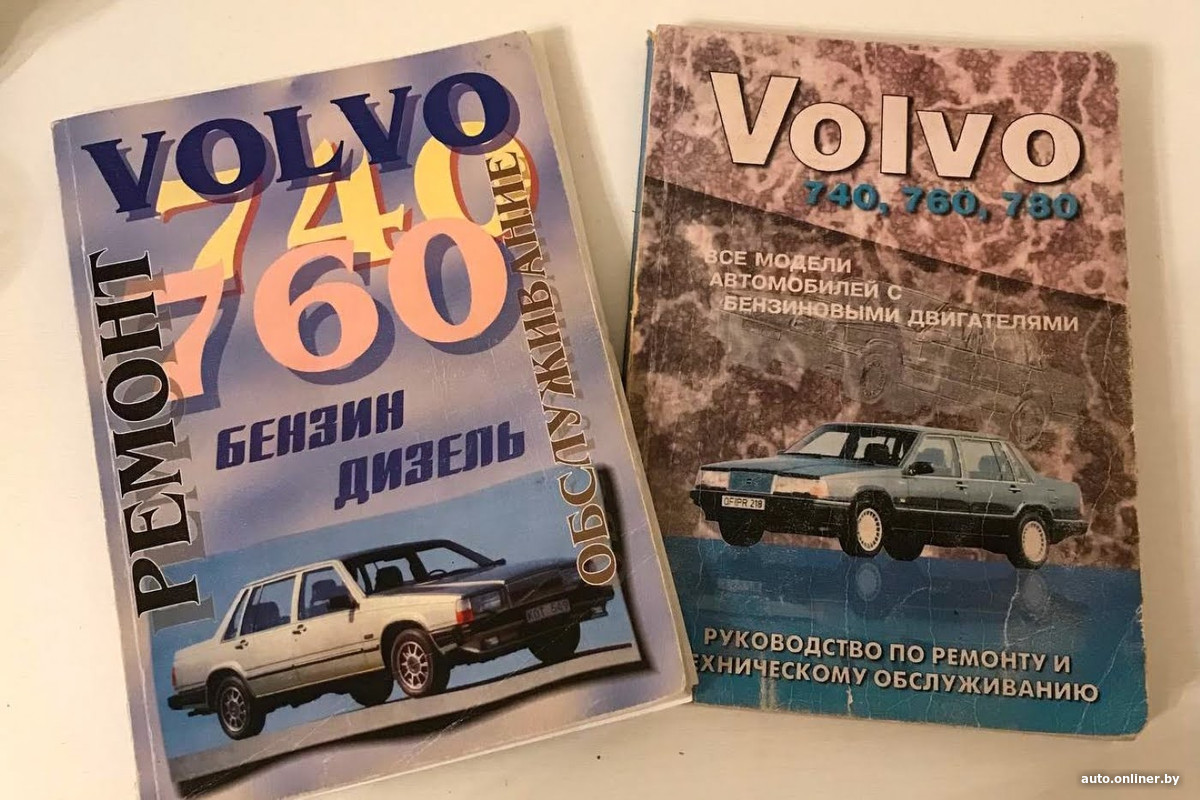
A separate issue is the maintenance of the rear axle. The factory manual for the Volvo 740 states in black and white that the oil in the rear axle is filled for the entire service life and does not need to be changed. But it's important to understand: this manual was written by people who in the 1980s had no idea that this very axle would be spinning mercilessly for 40 years! So I didn't blindly trust old books. In addition, I studied the experience of like-minded guys who professionally restore old "Swedes". The club experience of car owners is unanimous: after so many years of sitting idle, you must change the technical fluids if you want the components to last.
- How much money was ultimately spent on the restoration?
- Hard to say. I can't really value my own work. Roughly, about 15,000 rubles.
A car for the soul
For everyday driving, the hero of our story uses a Belgee X70. Ivan clearly sets priorities between modern cars and old-school machines:
— To be honest, all these old factory instructions bring a slight smile today. The modern auto industry has accustomed us to a completely different reality. My everyday car is a brand-new Belgee X70 crossover, assembled here in Belarus. An excellent, comfortable, high-tech car. But it was created in the era of marketing and unit repair: a turbocharged engine, a bunch of complex electronics, a robot gearbox, driver assistance systems. Will a modern crossover last 40 years and 300,000 km on its original components like this Volvo? That's a big question.

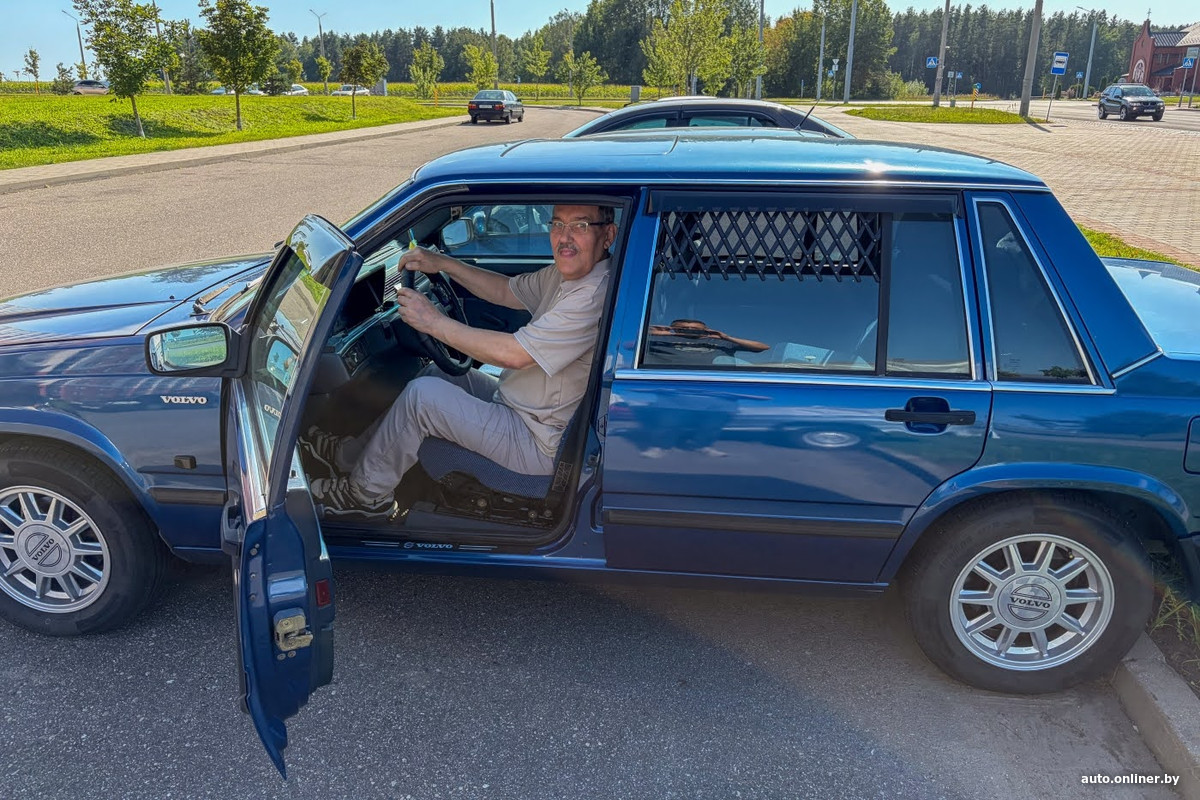
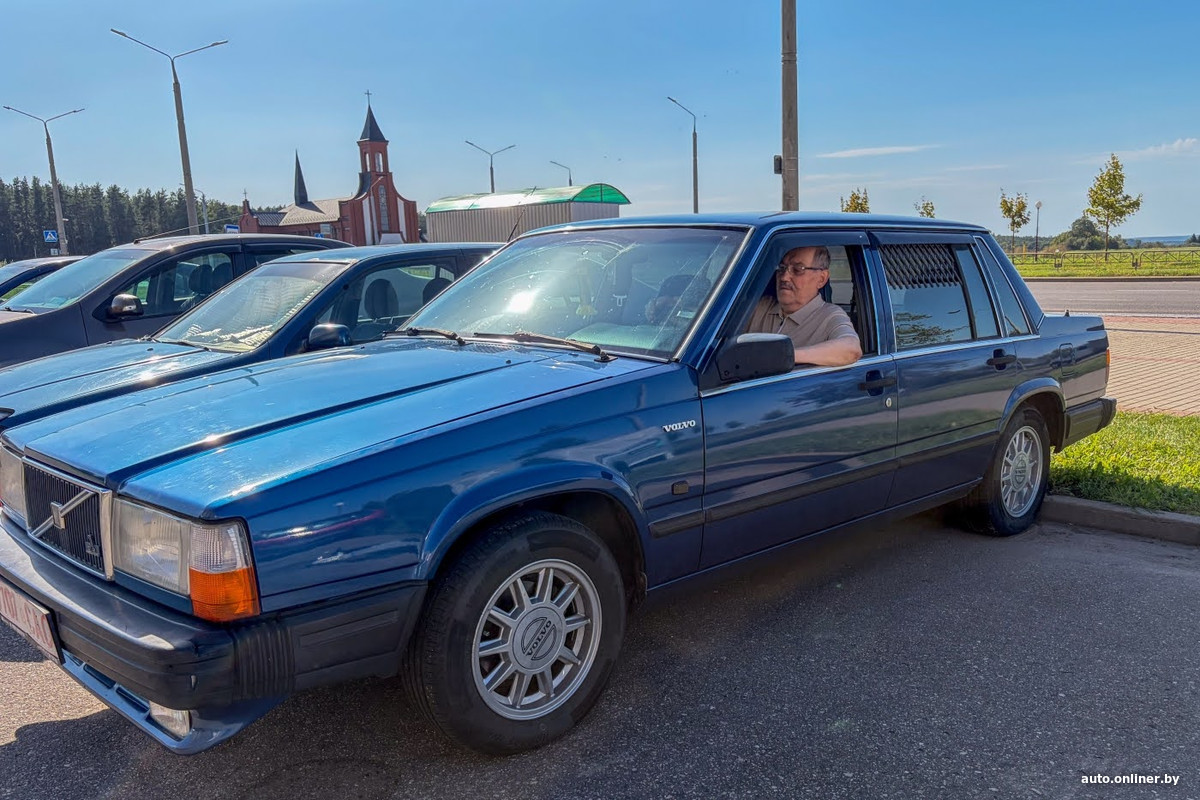
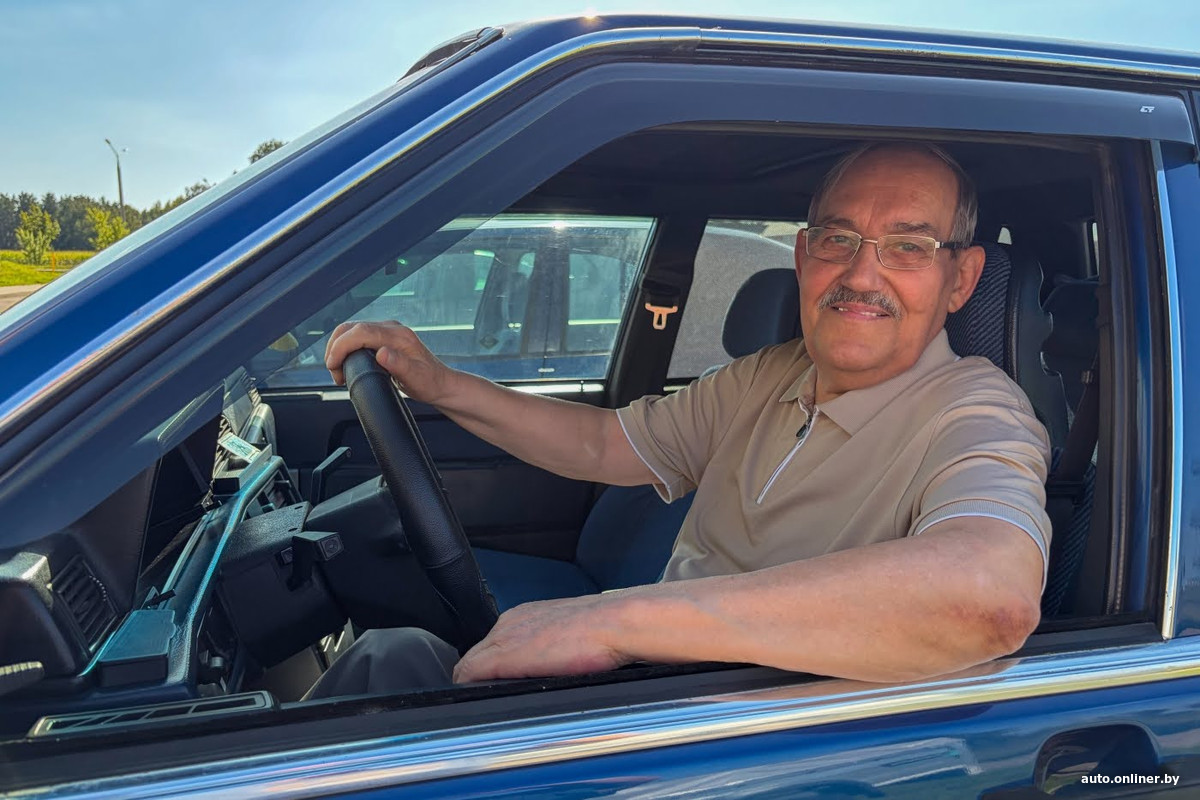
Therefore, for myself, I have clearly drawn a line between these cars. The Belgee is a practical tool for everyday tasks: get in, start it, and drive to work without thinking about technical details. And the Volvo 740 GL is something purely for the soul and family memories. A time machine, so to speak. I only take it out in good, dry weather, just to savor the analog driving experience and get those very emotions from childhood that no modern touchscreen can deliver.
TRW GDB1384
without wear sensor
Brembo P24075
without wear sensor