Menu
Rating agencies: how Moody's, S&P and Fitch determine the cost of money around the world
Author and editor-in-chief: Vitaly Kisterny 29.09.2026 20:15:00
When the Brazilian government issues bonds, when a company in India takes out a loan, when a bank in Turkey seeks financing — they all depend on the assessments of three private companies.
Moody's, S&P Global and Fitch control about 95% of the global credit rating market.
Their assessments determine how much countries and companies pay to borrow. And although these agencies are American, their decisions affect the entire world. Their services are paid for in dollars, their methodology is built around American standards, and their ratings determine which countries gain access to dollar financing. Rating agencies are another invisible pillar of the dollar that almost no one talks about.
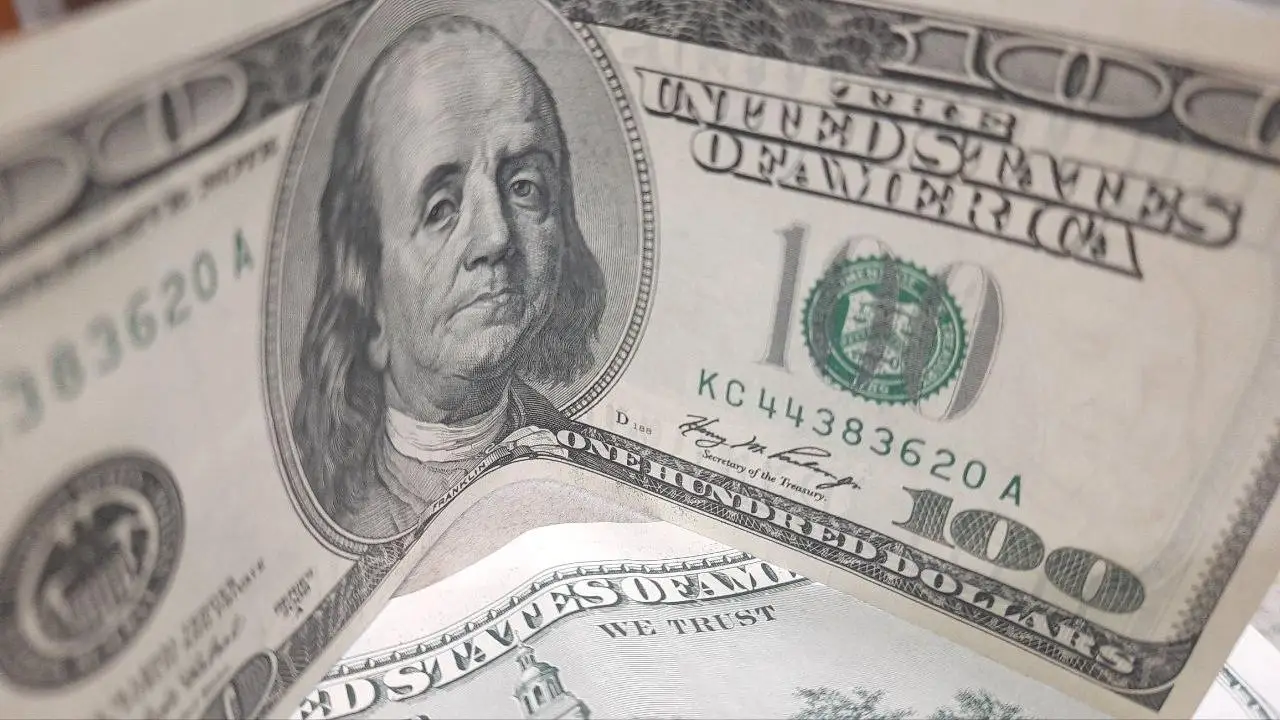
Photo: © Belnovosti / US dollar. Author: Vitaly Kisterny
What credit ratings are and why they matter
A credit rating is an assessment of a borrower's ability to repay its debts. It is expressed in letters, from AAA (most reliable) to D (default). The lower the rating, the higher the interest rate the borrower has to pay.
Three agencies — Moody's, S&P Global and Fitch — dominate this market. Their assessments are used by investors, banks and regulators around the world. Without a rating from one of these agencies, most institutional investors cannot buy bonds.
This means that the decisions of three private companies determine how much governments and corporations pay to borrow. For developing countries, the difference between a BBB and a BB rating can mean billions of dollars in additional debt-servicing costs.
Why rating agencies operate in dollars
The reason is simple: all three of the largest agencies are American. Moody's and S&P Global are based in New York, and Fitch in New York and London. Their services are paid for in dollars, their analysts work to American standards, and their methodology is built around the American financial system.
Moreover, ratings are often tied to debt obligations denominated in dollars. When an agency assigns a rating to a bond, it assesses the borrower's ability to repay in the currency in which the bond is issued. For dollar bonds, this means assessing access to dollar liquidity.
Even when the agencies rate bonds in euros or yuan, their methodology remains dollar-centric. They analyze the borrower's ability to generate dollars, its access to dollar financing, and its resilience to dollar shocks.
How ratings create demand for dollars
Every time a government or company pays for a rating, it needs dollars. Even if the borrower is in Africa or Asia, it pays the American agency in American currency.
Moreover, ratings determine which borrowers gain access to dollar financing. A country with a high rating can easily attract dollars on international markets. A country with a low rating is forced to pay high interest rates or cannot borrow at all.
In 2026, this mechanism is working especially actively. The war in the Strait of Hormuz, rising energy prices, and geopolitical uncertainty have led to a reassessment of many countries' ratings. Every downgrade means higher borrowing costs—and therefore greater demand for dollars to service debt.
Who benefits from dollar ratings
For the United States, rating agencies are not just Moody's and S&P. They are also the banks that use ratings to assess risk. JPMorgan, Citigroup, Bank of America—all of them rely on ratings when making credit decisions. This creates additional capital flows in dollars.
For the dollar, rating agencies are a steady source of demand. Even if other factors weaken, borrowers will still pay for ratings and seek access to dollar financing. This makes the American currency more resilient than one might expect.
For developing countries, rating agencies are a challenge. Their assessments determine the cost of borrowing and, consequently, budget capacity. Countries with low ratings are forced to pay more, which limits their development.
What this means for the dollar
Rating agencies are an invisible but important pillar of the dollar. They create steady demand for the American currency that does not depend on Fed rates or geopolitics. As long as the global financial system functions, rating agencies will continue to support the dollar.
However, this pillar has a weak spot. If China or Europe creates its own competitive rating agencies and begins promoting their standards, it could undermine the dollar's monopoly in this sphere. China is already developing its rating agencies, such as Dagong.
As analysts note, "rating agencies are an industry where the dollar feels especially confident." But this confidence could weaken if competition intensifies.
What this means for the average person
If you take out a loan, buy bonds, or invest in funds, you are already participating in this system. Ratings determine the cost of your borrowing and the return on your investments.
For those who keep savings in dollars, rating agencies are additional support. For those working in finance, they provide an understanding of how global capital flows affect exchange rates.
What's next
The global credit rating market will grow. Companies and governments around the world need financing, and therefore ratings. This means that demand for dollars in the industry will only increase.
For the dollar, this means it has another stable pillar that will not disappear in the coming decades. Even if other factors weaken, rating agencies will remain a safe haven for the American currency.
Belnovosti on GoogleAdd to favorite sources