Menu
Port operators: how terminals around the world support the dollar
Author and Editor-in-Chief: Vitaliy Kisterny 26.10.2026 20:15:00
When a container ship docks at the port of Rotterdam, when a ship with ore is unloaded at the Qingdao terminal, when a cruise liner moors at a pier in Miami - behind each such event are port operators who charge a fee for handling cargo and servicing ships.
The global market for port infrastructure and cargo handling exceeds $200 billion per year, and a significant portion of these payments is denominated in US currency.
DP World, PSA International, APM Terminals, Hutchison Ports, COSCO Shipping Ports - the largest operators - work through dollar contracts, even if their headquarters are located in the UAE, Singapore, Denmark, or China. Port fees, cranes, terminal management systems, and concession agreements are all tied to the dollar. Ports are another invisible pillar of the dollar, which almost no one talks about.
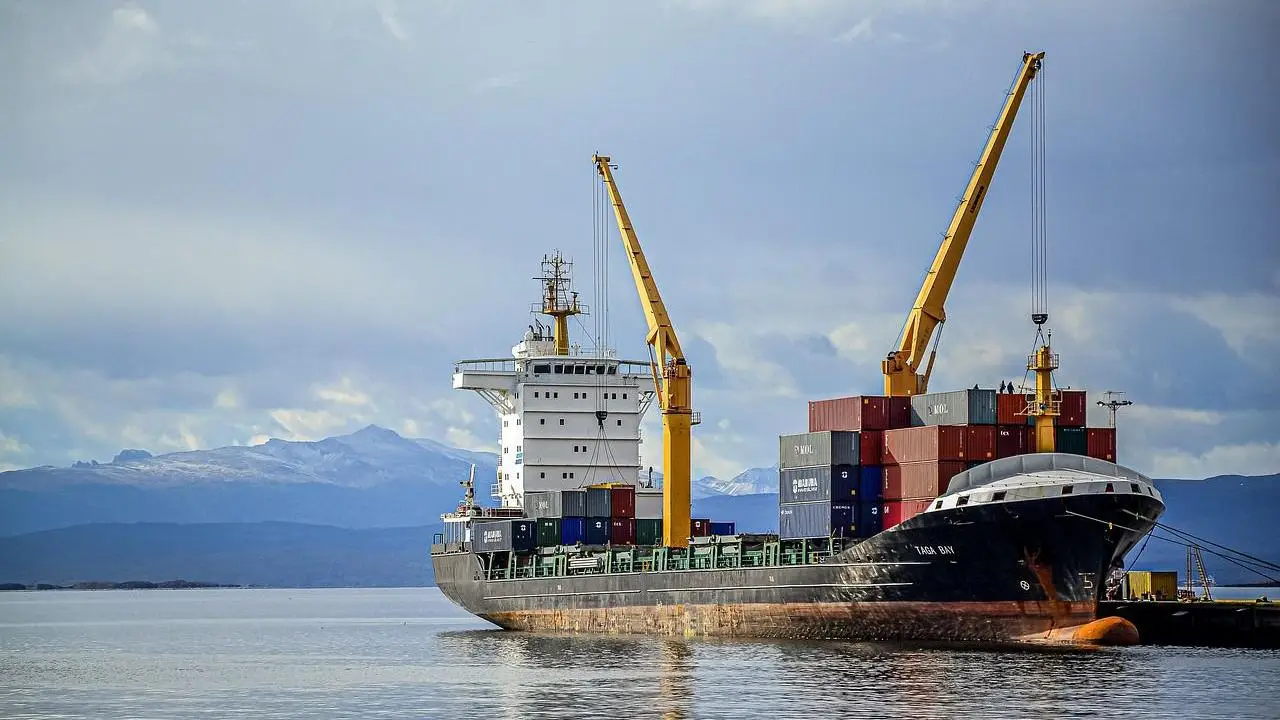
Photo: Pixabay / unloading a container ship at a port. Illustrative photo
Why port operators work in dollars
Ports are the nodal points of global trade. Through them pass containers, oil, gas, ore, grain, and thousands of other goods. The largest ports - Shanghai, Singapore, Rotterdam, Dubai, Hong Kong - handle hundreds of millions of tons of cargo per year and generate billions of dollars in revenue. For such a global industry, a currency that is accepted everywhere is needed. And this currency has historically been the dollar.
The reason is simple: the largest operators work through dollar contracts. DP World, based in Dubai, manages ports on all continents and charges a fee for handling cargo in dollars. PSA International, a Singaporean company, also works in US currency. APM Terminals, a subsidiary of the Danish Maersk, uses the dollar for large international deals. Hutchison Ports, a Hong Kong company, follows the same practice. COSCO Shipping Ports, a Chinese company, also uses the dollar for foreign projects.
Moreover, port equipment - cranes, loaders, terminal management systems - is mainly produced in Europe, China, and the US, but contracts for it are denominated in US currency. Concession agreements, which operators conclude with governments, are also often tied to the dollar. Investments in new infrastructure are financed through international banks and institutions that work in dollars.
How port operators create demand for dollars
Every time a shipping company pays for cargo handling in a port or an operator purchases equipment, it needs dollars. Even if the port is located in Asia or Africa, the payment often goes through the US currency.
Port operators hold significant dollar reserves. They use letters of credit, bank guarantees, and hedging instruments denominated in dollars. This creates a sustainable demand for the US currency.
In recent years, this demand has intensified. The growth of global trade, the construction of new ports in Asia and Africa, and the modernization of old terminals in Europe and the US have led to record investments. Every new crane or terminal is a new stream of dollars flowing through the industry.
Who benefits from dollar ports
For the US, the port market is not only about American terminals. It is also about the banks that finance projects and handle payments. JPMorgan, Citigroup, Bank of America - all of them work with the largest operators. This creates additional capital flows in dollars.
For the dollar, ports are a sustainable source of demand. Even if other factors weaken, the world will continue to trade, and cargo will pass through ports. This makes the US currency more sustainable than one might expect.
For developing countries, ports are a challenge. Shipping companies are forced to buy dollars to pay port fees. This puts pressure on their national currencies and increases their dependence on the US currency.
What this means for the dollar
Port operators are an inconspicuous but fundamental support for the dollar. They create a sustainable demand for the US currency that is independent of the Federal Reserve's rates or geopolitics. As long as the world trades, the dollar will receive support.
However, this support has a weak point. Chinese and Asian operators are developing their own terminals and promoting payments in yuan and other currencies. If this practice spreads, the dollar's monopoly in the industry may gradually weaken. But for now, even Chinese companies use dollars for large international concessions.
What this means for the ordinary person
If you buy goods imported from abroad, you are already participating in this system. The cost of delivery, included in the price of the goods, includes port fees tied to the dollar.
For those who hold savings in dollars, the port market is additional support. For those who work in logistics or foreign trade, it is an understanding of how global capital flows affect exchange rates.
What's next
The global market for port infrastructure will continue to grow. Trade is expanding, and new routes are being opened. This means that the demand for dollars in the industry will only increase.
For the dollar, this means that it has another stable support that will not disappear in the coming decades. Even if other factors weaken, ports will remain a quiet haven for the American currency.
Belnovosti in Google Add to favorite sources