Menu
Patents and Intellectual Property: How American Ideas Bring Dollars from Around the World
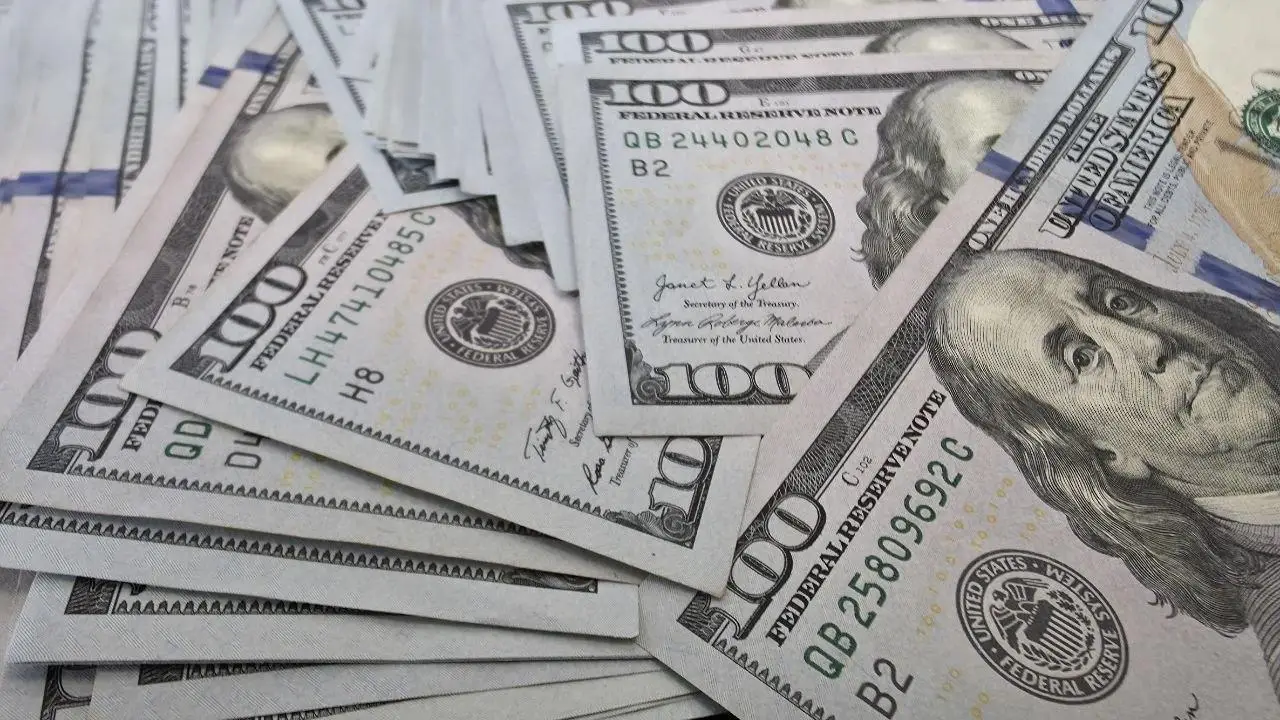
When a Chinese smartphone maker pays licensing fees for Qualcomm technology, when a German automaker buys rights to medical equipment from an American company, when an Indian pharmaceutical firm pays royalties for a drug formula—all these payments flow through the dollar system.
The global market for intellectual‑property licensing exceeds $400 billion a year, and U.S. companies capture a significant share of that revenue.
The United States controls about 40 % of the world’s patent portfolio. The biggest holders—IBM, Qualcomm, Microsoft, Apple, Google—are American. Their licensing agreements, royalties, and lawsuits are denominated in dollars. Intellectual property is another invisible pillar of the dollar, one that hardly anyone talks about.
Why intellectual property works in dollars
Patents and intellectual property are the foundation of the modern economy. Technology, medicines, software, industrial processes—all are protected by patents and licenses. Companies that want to use these technologies must pay the rights holders.
The reason this market operates in dollars is simple: the largest rights holders are American. IBM earns more than $1 billion a year from patent licensing. Qualcomm makes billions from mobile‑communication technology licenses. Microsoft, Apple, Google, Intel—all own massive patent portfolios and license them worldwide.
Moreover, the U.S. patent system is regarded as one of the strongest in the world. Companies from around the globe file patents in the United States to protect their innovations in the biggest market. This creates an additional flow of dollars through patent offices and law firms.
How intellectual property creates demand for dollars
Every time a company pays royalties for using a technology, it needs dollars. Even if the manufacturer is based in China or Korea, it converts its local currency into U.S. dollars to make the payment.
Rights holders hold substantial dollar reserves. They use licensing agreements, lawsuits, and hedging instruments denominated in dollars. This generates steady demand for the American currency.
In 2026, this demand intensified. The boom in artificial intelligence, biotechnology, and semiconductors led to an increase in the number of patents and licensing agreements. Companies worldwide are paying U.S. rights holders for access to key technologies. Each new patent is a new stream of dollars flowing through the industry.
Who Benefits from Dollar-Denominated Intellectual Property
For the United States, intellectual property is not just IBM and Qualcomm. It also includes law firms handling patent disputes and banks financing licensing deals. JPMorgan, Citigroup, Bank of America—all of them work with rights holders. This creates additional dollar-denominated capital flows.
For the dollar, intellectual property is a steady source of demand. Even if other factors weaken, companies will always need technology. This makes the U.S. currency more resilient than one might expect.
For emerging economies, intellectual property is a challenge. Manufacturers are forced to buy dollars to pay for licenses. This puts pressure on their national currencies and increases their dependence on the United States.
What This Means for the Dollar
Intellectual property is an inconspicuous but important pillar of the dollar. It creates steady demand for the U.S. currency that is independent of Federal Reserve rates or geopolitics. As long as the world uses American technology, the dollar will receive support.
However, this pillar has a weak spot. If China or other countries develop their own competitive technologies and begin promoting their patents in yuan, it could gradually undermine the dollar’s monopoly. China is already the world’s largest patent applicant and is actively developing its technology firms.
What This Means for the Average Person
If you use a smartphone, computer, or medication, you are already part of this system. The cost of these products includes licensing fees that are converted into dollars and support the U
For the dollar, this means it has another solid support that will not disappear in the coming decades. Even if other factors weaken, intellectual property will remain a safe haven for the American currency.