Menu
Opinion: The diesel crisis hits Europeans in the wallet
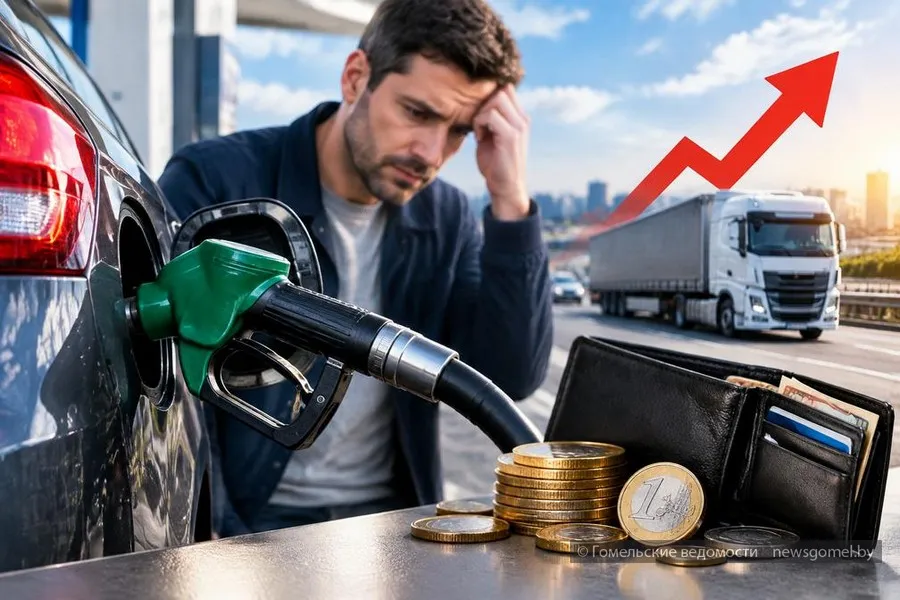
According to Transport & Environment analysis, European drivers today pay about 40% more for diesel than at the start of the year. Filling a typical 50‑liter tank costs roughly 30 euros more. Across the continent, the extra diesel expenses amount to about 203 million euros per day. For comparison: gasoline rose about 28% over the same period.
At first glance, an extra 30 euros per fill‑up may not seem like much. But for someone who commutes regularly, uses a car for work, or does hauling, it already means hundreds of euros in additional monthly expenses. And for freight transport the amount is considerably higher: T&E estimates that the extra costs for a European truck exceed 236 euros per week compared with the old price.
And that is where the unpleasant part begins. Diesel is not just fuel for passenger cars; it powers a huge share of Europe’s logistics: trucks move food, building materials, industrial goods, and virtually everything you see on store shelves. Consequently, rising diesel prices inevitably push up delivery costs, which then get built into the price of the goods themselves.
This creates a kind of chain reaction: oil and refining become more expensive, then fuel prices rise, followed by transport, production, and ultimately consumer prices. In other words, the current diesel price spike can further accelerate Europe’s already painful inflation.
Europe is especially vulnerable because it is extremely dependent on diesel fuel. According to T&E, 38% of passenger cars on EU roads run on diesel, and road transport accounts for about 77% of the EU’s diesel and gas oil consumption. As a result, any serious disruption in the global oil‑products market quickly reverberates through the European economy.
The causes of the current spike are still linked to disruptions around the Strait of Hormuz and interruptions in the operation of Russian refining capacities. This is particularly painful for the market of refined petroleum products: Europe today cannot simply find oil — it also has to process it into the required volumes of diesel fuel.
And here the strategic vulnerability of the European economy becomes apparent. For decades the continent has built a transport system that requires huge volumes of petroleum products while remaining dependent on external suppliers. Now any major geopolitical crisis turns into an extra bill at the pump for the European consumer.
Moreover, I would say, the problem is not limited to motorists. More expensive diesel means higher costs for agricultural work, crop transport, operation of construction equipment, freight transport and industrial equipment. In the end, virtually everyone ends up paying for the energy shock.
It is also telling that T&E itself is no longer speaking merely of a temporary price spike, but of a serious economic burden. According to its estimate, since the start of the current crisis, additional spending by the European economy on road diesel fuel has already reached tens of billions of euros.
Thus, the European diesel crisis is much more than a story about drivers leaving an extra 30 euros at the pump. It is a vivid demonstration of how quickly geopolitics turns into the economics of everyday life. As long as disruptions in oil and petroleum product supplies continue, Europe is forced to pay ever more — and the cost is borne not only by motorists, but by all businesses, and ultimately by every consumer.