Menu
Opinion on the matter. New food shock: grain prices could rise by 80%
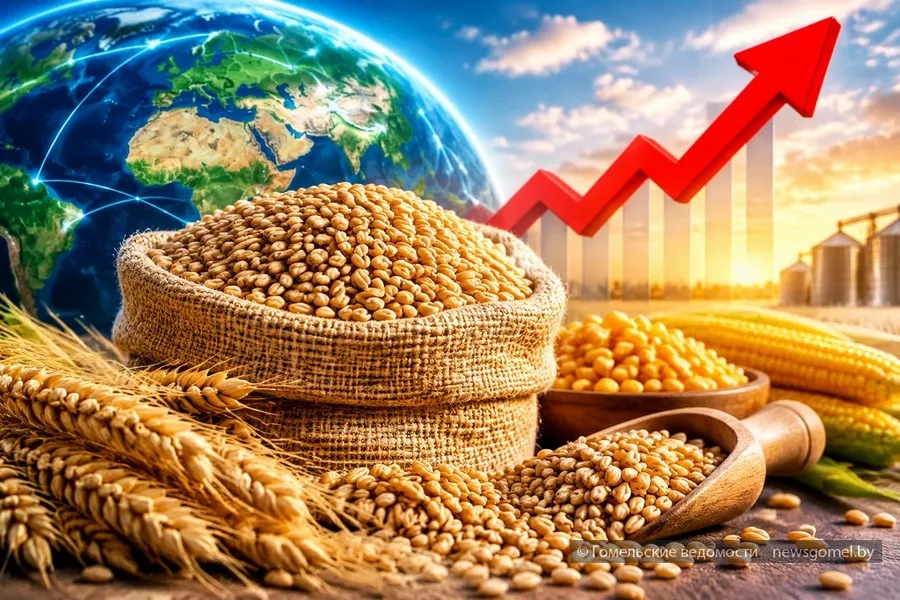
The International Chamber of Commerce (ICC) warned of the risk of a sharp rise in the cost of grain crops in certain regions of the world. If restrictions on shipping through the Strait of Hormuz
If the fertilizer deficit persists, the consequences could appear already in the next agricultural production cycle. That is why the MTP forecast of a possible rise in grain prices by up to 80% should not be regarded as an indicator of the situation on the raw materials market. Behind it lie quite concrete risks for consumers, agricultural producers, and states dependent on food imports.
I would say that today in the world everything is so interconnected that one inevitably pulls another along. Everyone remembers the domino effect from childhood — here roughly the same principle applies. Suppose the fertilizer issue is resolved, but what to do about the diesel shortage? After all, a significant portion of agricultural machinery runs on it, including that used for harvesting.
The situation around the Strait of Hormuz once again shows how fragile global supply chains can be. Disruption of a single strategically important route can trigger a genuine chain reaction: from interruptions in fertilizer and energy resource supplies, the same oil, — to increased cost of agricultural production, and then to rising food prices. And the longer the restrictions persist, the higher the probability that everyone will feel the consequences of this crisis.