Menu
Opinion on the matter. Expensive fuel affects passengers' plans.
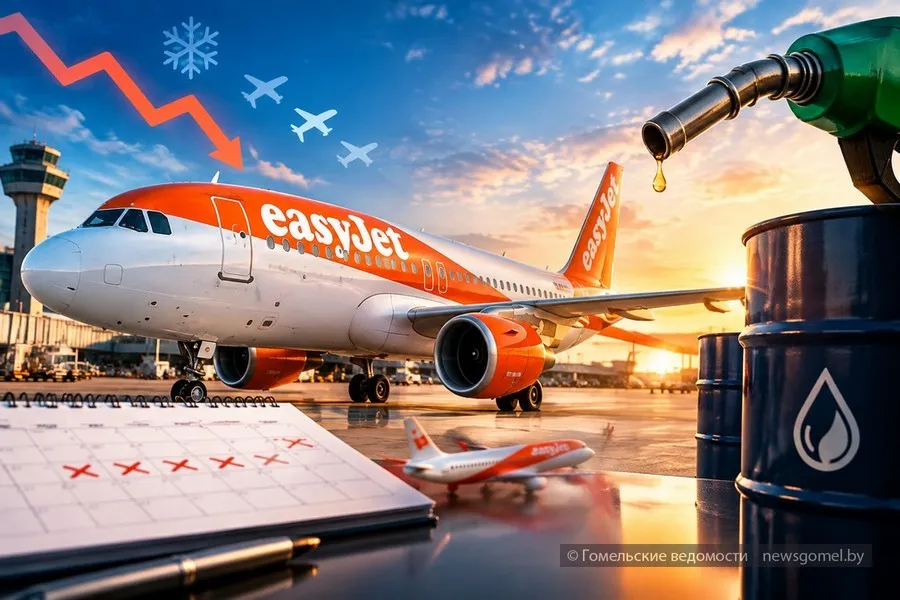
European budget airline EasyJet is again cutting its winter schedule amid rising aviation fuel costs. As reported by Liverpool Echo, the carrier intends to cut another 600–700 thousand seats. Taking into account previously announced restrictions, the total number of seats removed from the schedule will reach 1.3–1.4 million.
Earlier EasyJet already announced a reduction of about 700 thousand seats. Now the company decided to further reduce supply by a comparable amount. EasyJet's CEO Kenton Jarvis explained the decision by high fuel prices, which force airlines across the industry to review plans and cut the number of flights. Even when travel demand remains stable, executing the planned flight schedule is becoming increasingly difficult, given how rapidly its cost is rising.
According to Jarvis, after fuel prices doubled amid the conflict with Iran, fuel has become somewhat cheaper. However, its cost still significantly exceeds the level the company had anticipated. If key expenses remain above forecasts, airlines are forced to look for ways to curb costs — including flight reductions.
So far EasyJet has not disclosed which specific routes are affected by the cuts and how many already booked flights may be cancelled. The company says the changes will constitute a small share of the winter schedule, and passengers will be notified in advance and offered alternative flight options. Nevertheless, for people who have already planned their trips in advance, these cancellations will undoubtedly cause hassle.
Passengers whose flights are cancelled are advised to carefully check the date when they received the notification. It may be relevant for determining eligibility for compensation. Therefore, it is worth keeping the airline's message and clarifying what rebooking or refund options are available in the specific case.
This situation vividly shows how interconnected the modern world is and how seemingly unrelated processes can influence each other. Airlines are trying to offset rising fuel costs by raising fares, cutting supply, or revising routes, but such measures only partially mitigate the crisis consequences.
As long as fuel remains economically unjustifiably expensive, it cannot be ruled out that some companies in the industry will face serious financial difficulties, up to bankruptcy. EasyJet for now emphasizes that the cuts will affect only a small part of winter flights. However, the overall scale of the already announced changes — up to 1.4 million seats — indicates unprecedented pressure on airlines.
I would also note the protracted nature of the crisis, which so far does not show optimistic scenarios for its resolution. Apparently, the fuel shortage will noticeably affect Europe for a long time to come. And even after the Iranian conflict is settled and freedom of navigation is restored in the Bab el-Mandeb and Strait of Hormuz, the consequences of the crisis will continue to be reflected in the situation across a wide range of industries, and for a prolonged period.