Menu
On the Path to Renewal: How Public Transport in Belarus is Changing
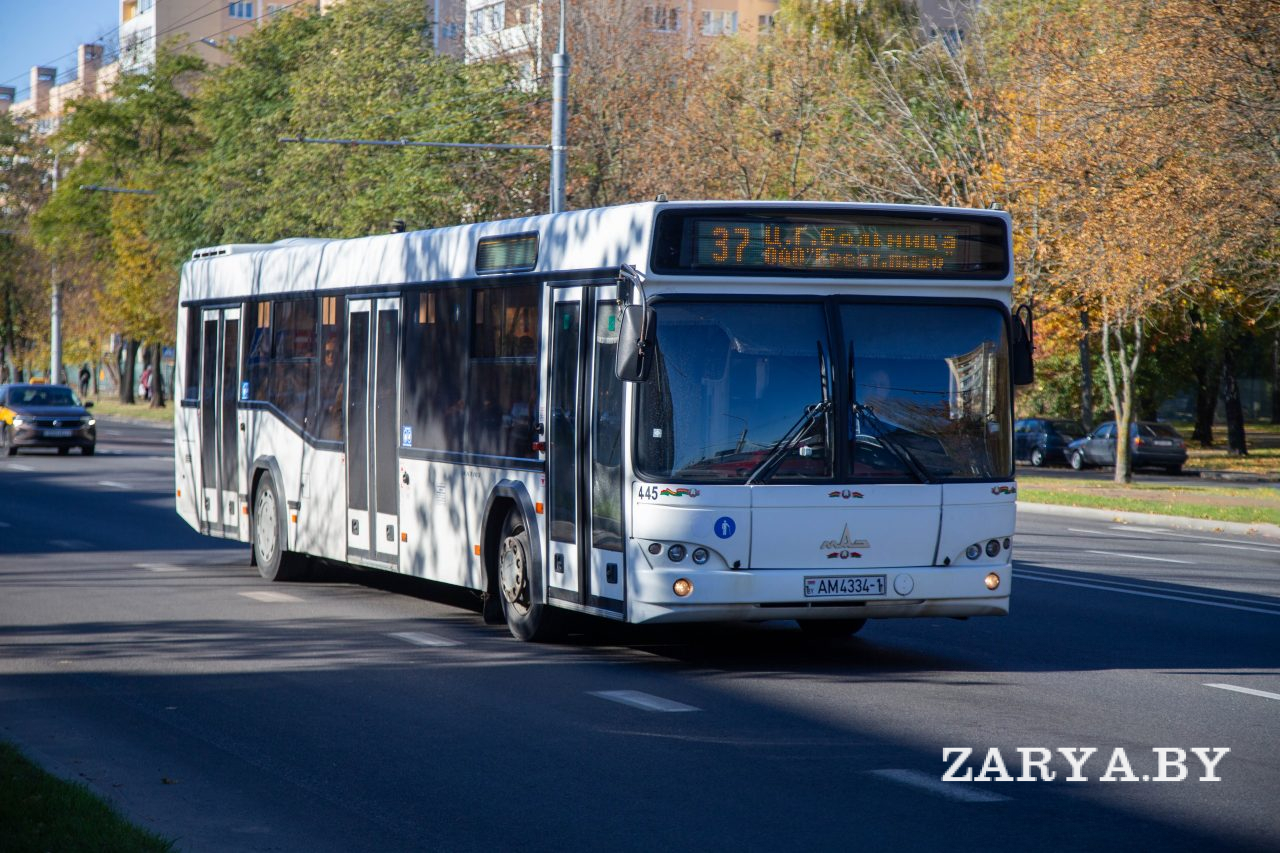
The transport infrastructure of Belarus continues its large-scale renewal. In the first eight months of 2026, the vehicle fleets of the country's transport organizations increased by 621 units of modern equipment. These are not just numbers in reports, but a real step toward improving passenger comfort and the environmental friendliness of urban transport.
What do Belarusians ride now? The main focus this year has been on classic buses, but the share of electric transport also shows steady growth. The procurement statistics for January–August are as follows:
- Buses (472 units): they remain the “workhorses” of passenger transport, providing connectivity both within cities and on suburban routes.
- Trolleybuses (134 units): the classic city electric transport continues to hold its position, remaining one of the most reliable and environmentally friendly means of travel.
- Electric buses (15 units): the most modern and technologically advanced segment. Although their number is still small, the introduction of electric buses is an important vector for the development of “green” transport in Belarus.
Updating the rolling stock is always a comprehensive effect. New vehicles are not just an aesthetic improvement on the streets of our cities. Primarily, they are:
- Safety: modern equipment is equipped with advanced control and protection systems.
- Comfort: low‑floor models, air‑conditioning systems, and comfortable interiors make trips more accessible for all categories of citizens, including the elderly and parents with strollers.
- Ecology: switching to more modern engines and expanding the electric fleet reduce harmful emissions into the atmosphere, which is especially relevant for large cities.
The pace of renewal shows that the country's transport sector is not standing still. Purchasing more than 600 units of equipment over eight months is a serious indicator that passenger comfort remains one of the priorities of state policy.