Menu
NASA found strange holes on Mars
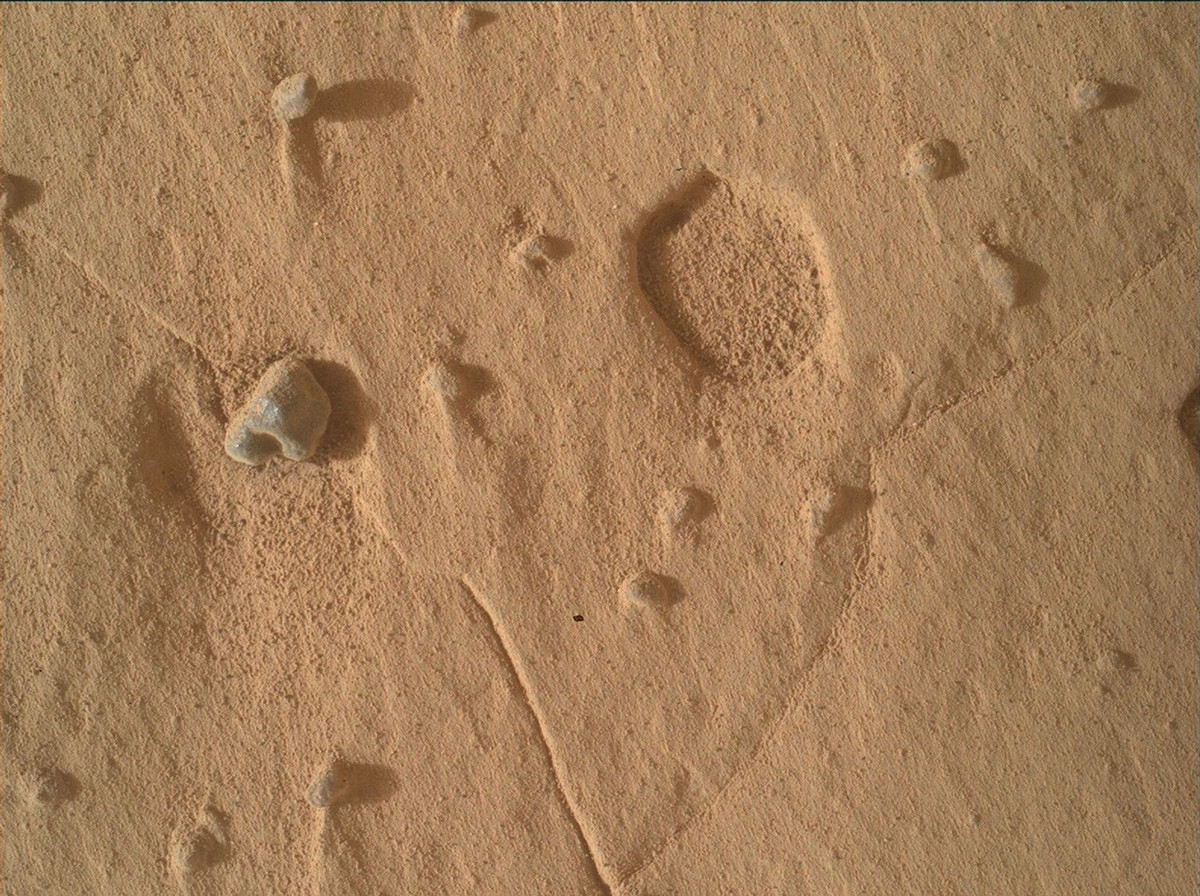
The Curiosity rover has stumbled upon holes in the surface of Mars whose origin astronomers cannot yet explain. These small, shallow pits in the ground are unlike anything ever found on the Red Planet.
As a rule, pits in Martian rocks can be explained fairly easily — pebbles or small minerals embedded in softer rock resist erosion longer than the surrounding material, but they too eventually weather away, leaving behind small cavities, Science Alert explains.
But the recently discovered pits are different — they are unusually wide and shallow, and there are no rocks or minerals nearby that could have been inside these cavities.
The rover's science team became intrigued by the findings and decided to examine the holes more closely. The rover's Mars Hand Lens Imager (MAHLI) photographed the pits up close, while the Mastcam cameras took overlapping stereo images of the surrounding terrain. These images will be combined to build three-dimensional models of the surface, allowing scientists to measure the shape and depth of the pits and possibly determine what caused them.
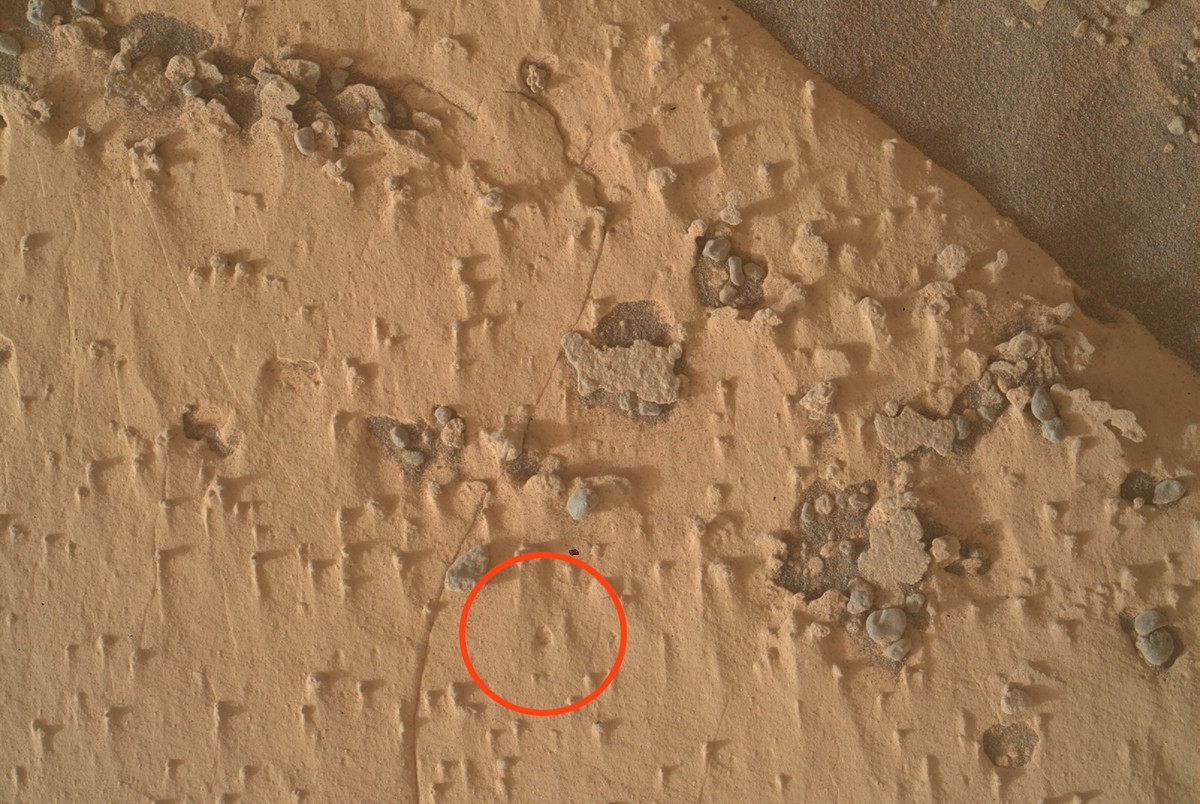
The strange holes could be the result of an unusual erosion process, the properties of the rock, or something entirely different. The researchers also noticed rapid changes in the appearance of rock layers, including rougher gray layers that resist erosion differently compared to adjacent material. Astronomers cannot explain this either, for now.