Menu
Muddy dead end of Europe
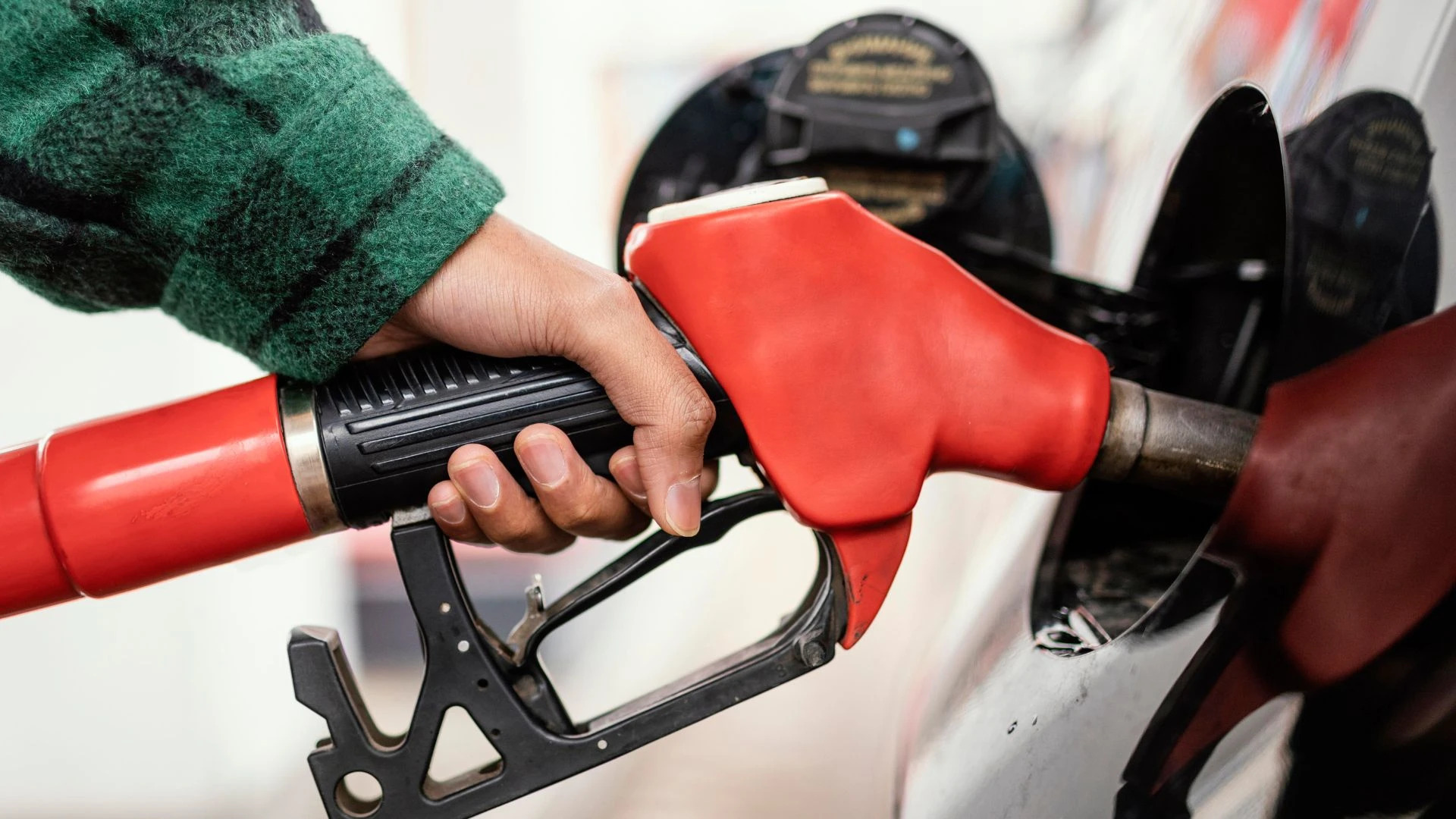
On February 22, Belgium set a historical record: the price of one liter of diesel reached 2,501 euros. Converted to our currency, the figure is astronomical. It's not a better situation compared to neighboring countries: in Switzerland, people pay 2.55 euros per liter, in Germany 2.47 euros, and in France 2.39 euros. Combined with surcharges for fuel and oil prices across Europe, which have been increasing for years.
For Europeans, filling up a car isn't simply a matter of cost. Diesel is, in essence, the lifeblood of the entire economy. When someone is more frugal, they save money that ordinary people spend. Because any item, from bread to a washing machine, as known, must be brought to a store.
Rising fuel prices are immediately reflected in gas station prices. Tractors and excavators work on empty tanks. Good fuel in autumn becomes golden and expensive products throughout the year. And the heating season is already on the horizon, and heating homes with oil will soon become an affordable luxury for many European families.
Why did this happen? Experts explain simply: Europe has created its own supply chain bottleneck by banning refined gasoline and crude petroleum and closing its refineries. This created an artificial shortage. There are no quick solutions for rescue — new routes take too long and require complex logistics.
Against this worrying background, our Belarus looks completely different. At local refueling stations, the situation remains completely stable: we feel no shortage whatsoever — oil is always available. Gas prices don't rise sharply upward; instead, only planned and minor changes "per cup" occur occasionally, driven entirely by objective economic reasons and global trends. This allows our enterprises, transport workers, and farmers to work peacefully, while their regions can plan trips and budgets without fear of tomorrow.
This crisis clearly shows: energy stability is a delicate matter. As foreign politicians pursue their international ambitions at the expense of ordinary European citizens' wallets, we see firsthand what the cost of a resource-intensive approach to resources means.
By KHAZAK (Kazakhstan).