Menu
Moldova introduces a 60-day state of emergency in energy and hydrology due to the shallowing of the Dniester and rising prices.
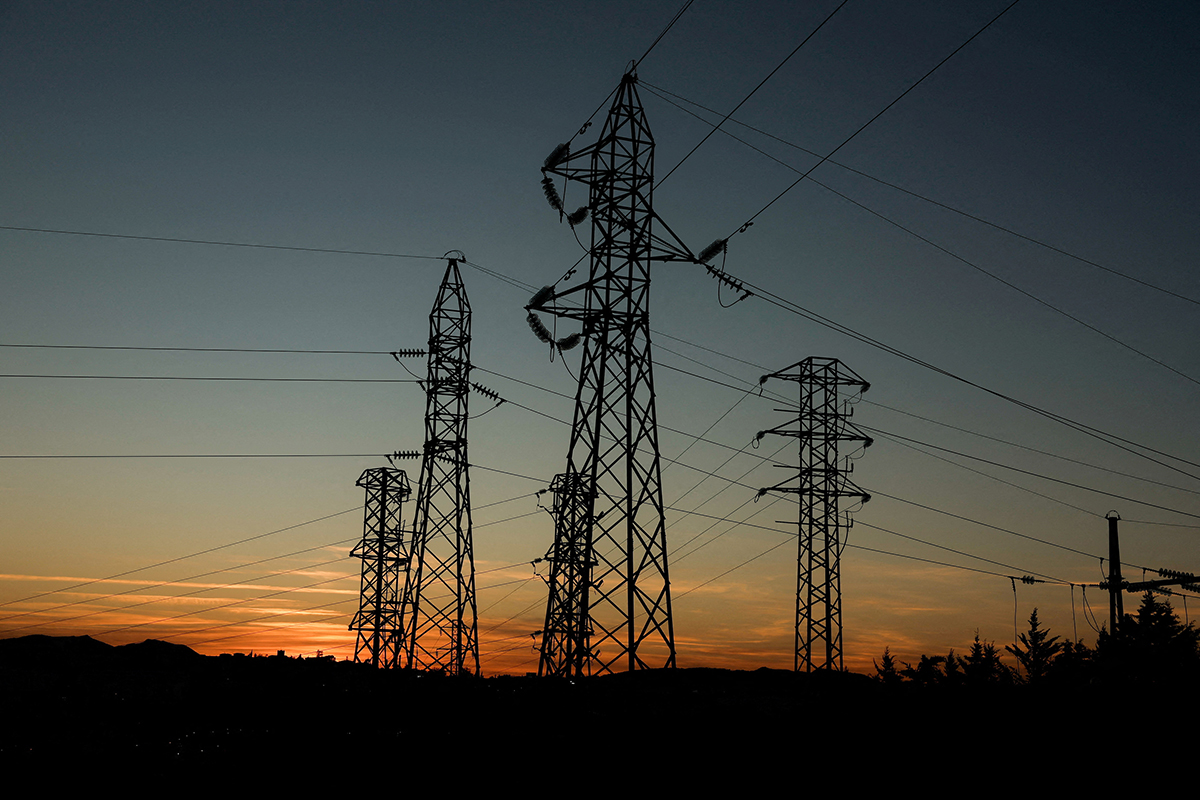
Moldova's parliament voted on Tuesday to introduce a state of emergency in the energy and hydrological sectors across the entire country for a period of 60 days, starting September 26.
The government's initiative was supported by 54 deputies from the ruling Party of Action and Solidarity, 20 voted against, and another 22 abstained. The reason for the emergency measures was the record-low water levels in the Dniester and Prut rivers, threatening water supply, and the rise in global energy prices, forcing the country to import nearly 60% of its electricity for the upcoming
Prime Minister Tofan, citing inflow data, noted: «You can see that recently only 22 cubic meters per second are flowing in there, because there was very little snow in the Carpathians. As a result, the reservoir level dropped from the normal 120 meters to 111 meters.» According to him, the drop in level creates technological risks that begin already at the 112‑meter mark. The Dniester basin has been experiencing low water since June, and inflow to the New Dniester Reservoir in September reached record low values. The drought has also affected other water bodies: the Taraclia Reservoir in southern Moldova has shrunk by 30%, average depths have fallen to 50 centimeters, and salinity has approached Black Sea levels.
The state of emergency provides the authorities with an expanded set of tools. The National Crisis Management Commission will gain the authority to decide on purchases, creating reserves, and distributing energy resources, temporarily restricting exports from strategic storages and establishing priority for import flows and customs procedures for fuel. To protect the population from price shocks, the authorities will be able to temporarily regulate price‑limiting mechanisms, as well as logistical and commercial mark‑ups. Excise duties and taxes may be reviewed and temporarily adjusted to maintain affordable tariffs. In case the hydrological situation worsens, it will be possible to prioritize drinking‑water supply, temporarily restrict non‑essential water use, and promptly mobilize pumps, generators and other necessary resources.
Moreover, mobilization of state reserves and simplification of procedures for direct procurement of materials and equipment for emergency interventions are envisaged. Licensed operators will be obliged to report daily on stock levels, create dedicated corridors for fuel transportation, and simplify administrative formalities.
The opposition met the government’s initiative with harsh criticism. Petru Burduja, a deputy from the Party of Socialists, said that the state of emergency regime is no longer an extraordinary measure but a mechanism for covering up the authorities’ mistakes. According to his calculations, over the past years the country has spent about 900 days under a state of emergency or similar regimes. He reminded that in December 2024 the then prime minister, Dorin Recean, stated that the upcoming winter should be the last one in which Moldova could face an energy crisis.
The Liberal Democratic Party of Moldova stated that Maia Sandu had brought the Republic of Moldova to the brink of a humanitarian catastrophe, and demanded an investigation into the activities of the state-owned company Energocom, including decisions on gas purchases during periods of low prices. During parliamentary debates, the opposition also pointed out that the introduction of a state of emergency could allow decisions to be made and contracts concluded under less transparent conditions.
The introduction of a state of emergency was the second such step within a year. In March 2026, a state of emergency regime was already imposed in the energy sector. In the same month, thousands of Moldovans were left without water after a strike on the New Dniester Hydroelectric Plant, which caused contamination of the Dniester. The current decision takes effect on Saturday, September 26.