Menu
Modernization of networks and reduction of energy intensity: how will Belarus' energy sector develop by 2030?
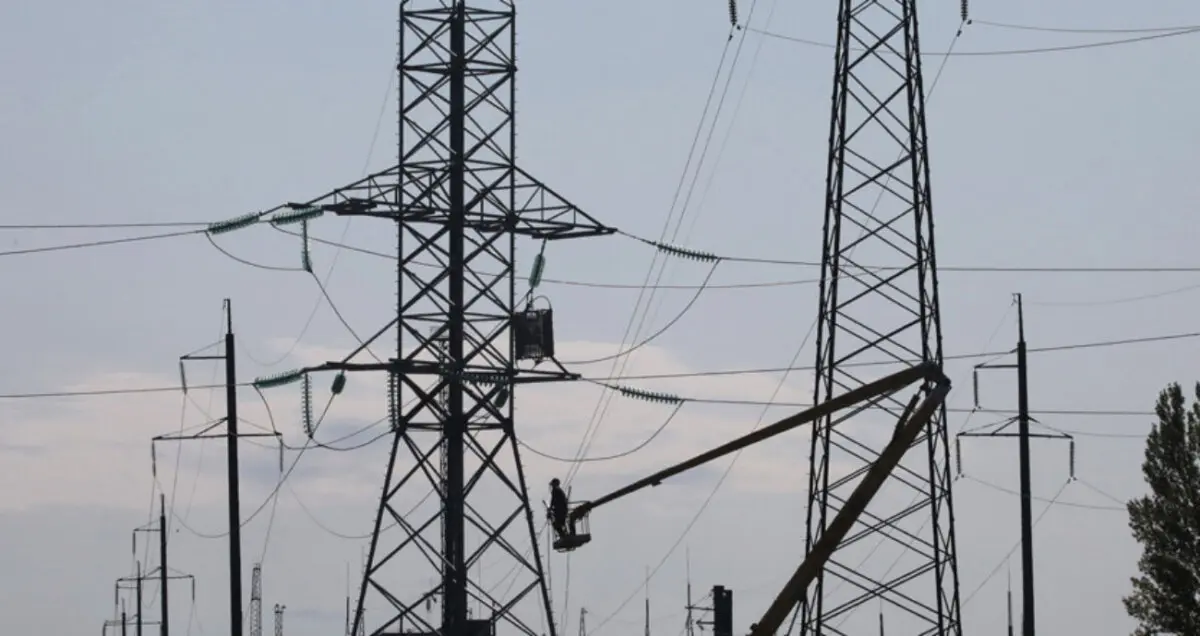
How Belarus's energy sector will develop until 2030 was explained by Vladislav Dolgy, Deputy Minister of Energy of Belarus, during the IV International Scientific Conference 'Sustainable Development of Belarus's Energy Sector: State and Prospects', as reported by a BELTA correspondent.
Vladislav Dolgy noted that the state program 'Sustainable Energy and Energy Efficiency' for 2026–2030 includes three components: increasing the efficiency of fuel and energy resource use, increasing energy self-sufficiency, and balanced development and modernization of the energy sector. According to him, the program for balanced development and modernization of the energy sector is the most capital-intensive. It is aimed at meeting the growing demand of enterprises and the population for electricity, improving the availability and reliability of heat and gas supply, and provides for the commissioning of new and modernization of existing generating sources, decommissioning of physically and morally obsolete equipment, updating electrical and thermal networks, and further digitalization of the energy sector. 'Modern network modernization is a necessary condition for their reliable operation and uninterrupted energy and fuel supply to industrial and agricultural enterprises as well as the population,' he emphasized.
The program to increase the efficiency of fuel and energy resource use provides that by the end of the five-year period, the energy intensity of the Belarusian economy should decrease by 4% compared to the 2025 level. 'In conditions of high competition, a simple principle applies: the less fuel and energy resources used in production, the cheaper and more competitive the product is on domestic and foreign markets,' the deputy minister explained.
Increasing energy self-sufficiency aims to raise the share of domestic resources in Belarus's energy balance. These include local fuels, primarily wood and peat, renewable energy sources, as well as electricity generated by the Belarusian Nuclear Power Plant. The higher the share of domestic energy resources, the less the country depends on external supply chains. The level of Belarus's energy self-sufficiency is planned to reach 33%.
Vladislav Dolgy also added that Belarus's energy sector is a key life-supporting industry. 'The Belarusian power system is a high-tech complex of power plants and networks that reliably supplies industry, agriculture, and the population with electricity and heat,' he said.
As of the beginning of 2026, the length of Belarus's gas distribution system was about 69,000 km. It supplies natural gas to all 118 district centers, 115 cities, and 85 urban settlements in the country. The installed capacity of generating sources in the Belarusian power system exceeds 12,000 MW. This includes the capacity of the Belarusian NPP at 2,340 MW, thermal power plants at about 9,761 MW, and hydroelectric power plants at 88 MW. The total length of power transmission lines exceeds 284,000 km. The power system also has more than 1,300 substations with voltages of 35–750 kV. The length of heating networks is about 7,800 km in single-pipe equivalent.
According to the deputy minister, in 2024–2025 Belarus recorded a historical maximum electricity consumption of over 42 billion kWh. Over the five-year period, electricity consumption in the country increased by more than 5 billion kWh, or 16%. An important event for Belarusian energy was the commissioning of the Belarusian NPP. The plant allowed the substitution of approximately 18 billion cubic meters of imported natural gas. Over the five-year period, more than 12,500 km of electric networks of all voltage classes were built and reconstructed in Belarus. In the current five-year period, it is planned to build and modernize about 18,500 km of networks.