Menu
MINUS TEN KILOGRAMS AND TWO-THIRDS OF SALARY FOR RENT: the harsh math of labor migration
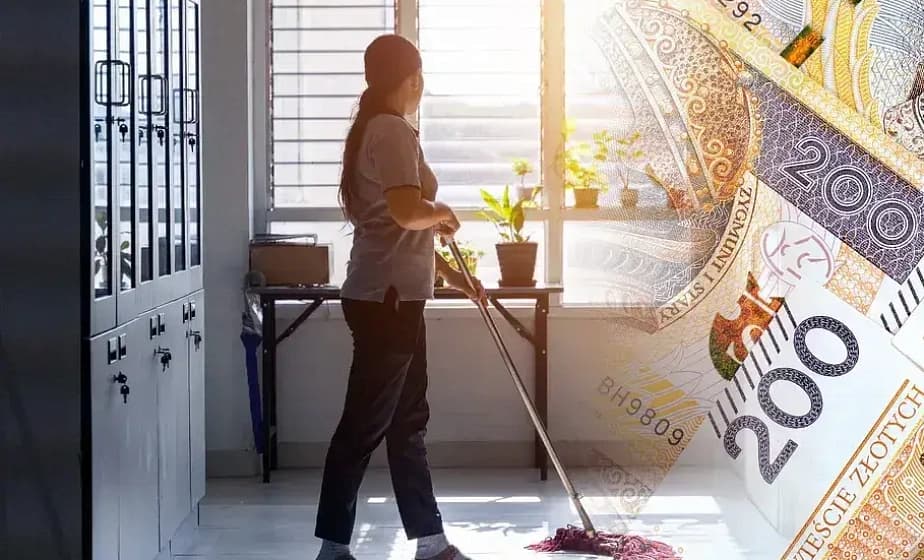
Moving to another country rarely brings the promised well-being. Using real comments from Belarusians who have gone to work in Poland as an example, we tell how the lack of demand for diplomas, usurious contracts, and expensive living conditions turn yesterday's professionals into powerless day laborers.
From cozy offices to the kitchen: washing dishes
In Belarus, many of today's migrants were established specialists. They worked in offices, in the field of information technology, at production enterprises, and received a salary that, considering the cost of products, utilities, and medical expenses, allowed them to live quite comfortably. However, abroad, their diplomas and previous experience often turn out to be in demand. The language barrier and fierce competition close the doors to prestigious companies.
To simply survive, yesterday's engineers, managers, and IT specialists have to agree to any black market job. A story about a Belarusian who, after losing his job in the high-tech sector, was forced to go wash dishes in a restaurant, has spread widely online. He openly admits that he catastrophically lacked money even for food, and a free meal for the shift and a few dozen zlotys in tips were perceived as a salvation. Another migrant who moved dreamed of the "old European vibe" and beautiful architecture of Poznan, but faced harsh financial mathematics. Out of the 3800 zlotys he earned, a whole 2500 went just for rent. There is no point in talking about development or accumulation with such expenses.
Lost guarantees and the illusion of freedom
The main contrast that migrants feel sharply is related to labor rights and social protection. In Belarus, a worker is protected by the Labor Code. A classic five-day workweek, a clear eight-hour workday, paid vacations, and guaranteed payment for sick leave are perceived as a matter of course in their homeland. The state strictly monitors that the employer complies with safety regulations and pays wages on time.
The photos accompanying the article show the harsh reality of migrant life.
In migration, these basic privileges disappear. To save on taxes, foreign employers and recruitment agencies massively register newcomers under contract agreements or force them to open individual entrepreneurship. In such conditions, a person becomes absolutely powerless. Shifts of fourteen to eighteen hours become the norm, and minor misconduct is followed by financial penalties, while illness means a complete loss of income and the risk of immediate dismissal. In comments, people complain that they sometimes have to fight for months to receive the money they have earned through hard work, threatening to appeal to the labor inspectorate. Often, even their own compatriots who have opened businesses abroad deceive them, changing working conditions on the go and leaving people without means of subsistence.
Harsh everyday life in warehouses and factories
In the discussion threads where migrants share their experiences of the most difficult work in Poland, there are almost no stories of career advancement. Instead, there are numerous accounts of hard physical labor on the verge of human capabilities. Former city dwellers are massively going to work in poultry factories, foundries, car dismantling plants, warehouses, and construction sites.
People describe conditions that are hard to imagine in modern Belarus. One user recounts working at a logistics company's warehouse, where labor in cold containers with heavy loads caused a hernia and a weight loss of ten kilograms in just two weeks. Another user recalls working on scaffolding, where they had to dig the earth with a shovel in the early autumn morning under pouring rain, standing knee-deep in water. Someone else worked on trains using the shift method, sleeping on the floor between tables or in a cabin for the disabled during eighteen-hour shifts without a break. And all this is for the sake of basic survival.
Time for a sober assessment
The stories of those who have experienced the "European dream" firsthand make one think seriously. Moving for the sake of a beautiful picture often results in a sharp decline in the standard of living, loss of social status, and undermined health. The desire for change is understandable, but before burning bridges, it's worth taking a sober look at what exactly is being left behind. Stability, confidence in the future, protection under the law, and the opportunity to work in one's specialty in their home country turn out to be far more valuable assets than the elusive prospects abroad.