Menu
Meet the Director of the Elizovo branch of JSC Grodno Glass Factory, Grigory Furkal
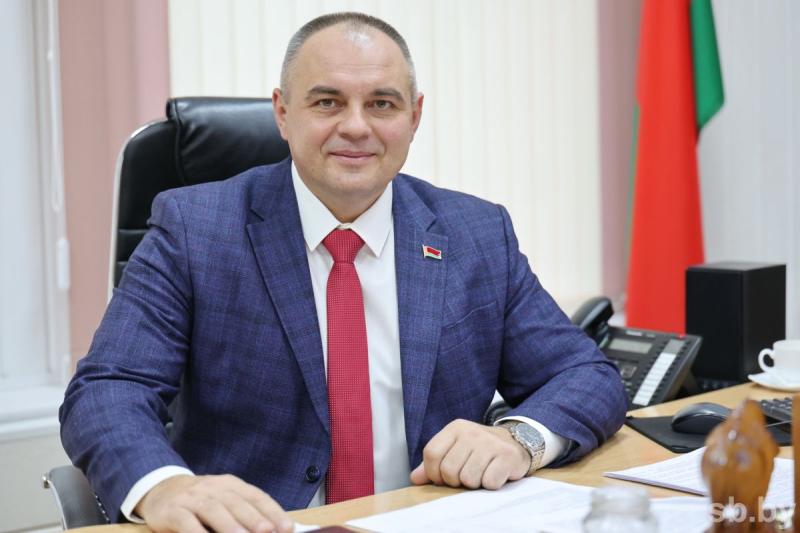
Asipovitski Kray, October 18, 2026, 10:09. He was born in 1982 in the workers' settlement of Yelizovo. In 2001, he graduated from the Bobruysk Mechanico-Technological Technical School. He continued his education at the Belarusian-Russian University, majoring in "machine-building technology".
He began his career at the Yelizovo plant in 2003 as a forklift driver. He worked as an operator of glass-forming machines, and as the head of the production department of the glass container shop No. 4. From 2009 to 2017, he was a equipment adjuster for glass production at similar enterprises in the Russian Federation. He returned to his small homeland and native plant, which by that time had become part of JSC "Grodno Glass Factory", in 2018 as the head of the production department of the glass container shop No. 4, and in 2022 he was appointed as the head of the shop. His activity and experience allowed Grigory Sergeyevich to move up the career ladder to the position of deputy head of production - head of the glass container production shop of the "Aul's" production site, and then to the position of deputy general director for production of JSC "Grodno Glass Factory".
In October, he was appointed as the director of the "Yelizovo" branch of JSC "Grodno Glass Factory".
High and sustainable results are impossible without three mandatory elements: discipline, production culture, and personal responsibility of each employee, the head believes. The effectiveness of this approach is evident: the coordinated and purposeful work of the team allows for successful passing of certification audits for compliance with the strictest international food safety standards every year. Among the planned prospects is a large-scale technical modernization of the glass container shop No. 2, scheduled for 2026-2027. This investment project worth 34 million rubles is aimed at solving several key tasks for the branch: durability, reliability, energy efficiency. The modernization will allow for expanding the range of products and mastering new types of products, as well as provide an opportunity to quickly maneuver between production lines when fulfilling orders. Moreover, this project goes beyond the interests of one plant: its implementation will allow for reducing the import of glass containers, increasing the growth of the export potential of the glass industry, as well as preserving the production capacity of the enterprise and preventing job cuts.
Anna Sabelo