Menu
Lowering rates, data collection and falling profits: how Belarusian banks spent the middle of the year
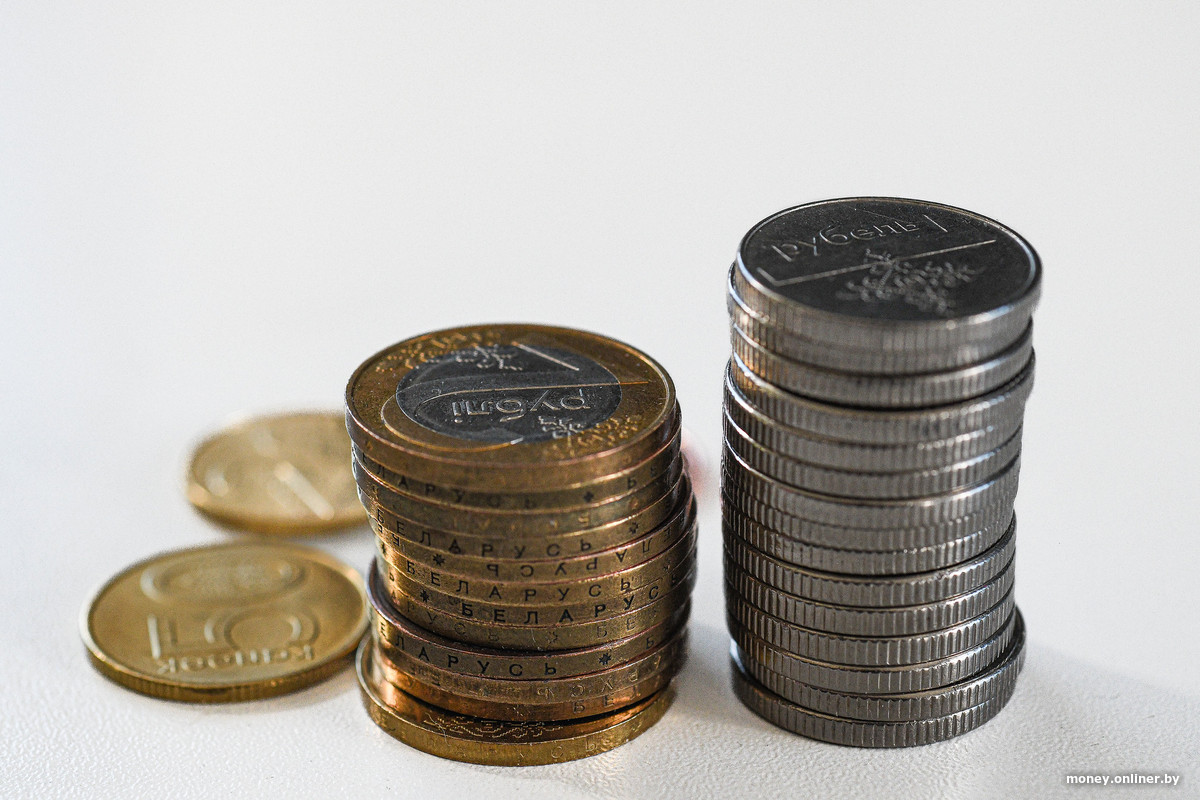
The second and third quarters of 2026 were quite intense for the Belarusian banking sector. Banks began changing or introducing new fees, zeroing interest on card balances, and closing “dormant” accounts. At the same time, the National Bank cut rates, launched free phone‑number transfers via ERiP, and required banks to collect clients’ geolocation data. The country saw the first crypto banks and new money. Here’s a summary of the main changes that affected your wallet in the middle of the year.
What this text is about
- What is happening with banks' profits
- Rate cuts
- Launch of phone-number transfers via ERiP
- Mandatory data collection
- Introduction of fees for transfers, cards, and “dormant” accounts
- Card blockings
- Zeroing interest on balances
- New money
- First crypto banks
- Protection of debtors
- Other innovations
What is happening with banks' profits According to data from January–August 2026, the net profit of Belarusian banks fell by 18.7% compared with the same period of the previous year. These figures are taken from the National Bank’s Statistical Bulletin. If net profit amounted to 3.048 billion rubles for January–August 2025, it was only 2.477 billion rubles for January–August 2026.
At the same time, it is important to note that, as reported by the National Bank of Belarus in its “Review of Activities and Characteristics of the Stability of Functioning of Banks of the Republic of Belarus,” bank profit in the second quarter declined. If profit for the year ending April 1 2026 was 4.631 billion rubles, then by July 1 2026 (covering the second half of 2025 and the first half of 2026) it amounted to 4,282.7 million rubles, which is 348.5 million rubles lower.
However, there is a nuance: profit (annualized) collapsed only for state banks—by 453.2 million rubles compared with the April 1 2026 figures—while profit rose for foreign and private banks—by 86.7 million and 18 million rubles, respectively.
These diametrically opposite results can be partly explained by state banks issuing preferential loans—to enterprises as well as to the population. But the main reason is likely that they directed significant funds into reserves. The National Bank did not provide separate data for state banks, but overall the banking system’s reserves increased by 1.297 billion rubles.
Rate cuts One of the main news items in the banking sector in mid‑2026 was the cut in the National Bank’s refinancing rate: from June 1 the regulator lowered it from 9.75 % to 9.25 % per annum. A similar decision was taken on the overnight loan rate – from 11.25 % to 10.75 % per annum.
These steps were taken by the National Bank’s Board on 20 May following a meeting devoted to developments in the economy and the monetary‑credit sphere. The regulator explained its decisions
It's like a fingerprint, only for your smartphone or computer: the system records a unique set of device parameters, such as model, OS version, browser settings, as well as geolocation and others. Each time you log in to online banking, this fingerprint is compared with a baseline, our journalist was told by Alfa Bank. If some parameters sharply mismatch or there is suspicion that they have been spoofed (for example, using Fake GPS), access is blocked until the client confirms that it is indeed them logging into online banking.
The main change is that banking applications now mandatorily read the geolocation of your smartphone.
The regulator explained the basis for this decision: GPS monitoring was introduced to combat cyber fraud. The new system for banking applications allows temporarily freezing suspicious transfers until the client confirms them, which should help reduce the number of successful phishing attacks.
Introduction of fees for transfers, cards, and 'dormant' accounts
In Belarus the trend has changed: if previously banks were massively canceling various fees, payments, subscription fees, then in the middle of the year they equally massively started introducing or restoring them. For example, they activated fees for servicing accounts that have had no movement for 6 to 12 months, legal