Menu
Lokhva is increasing processing: focusing on quality and import substitution.
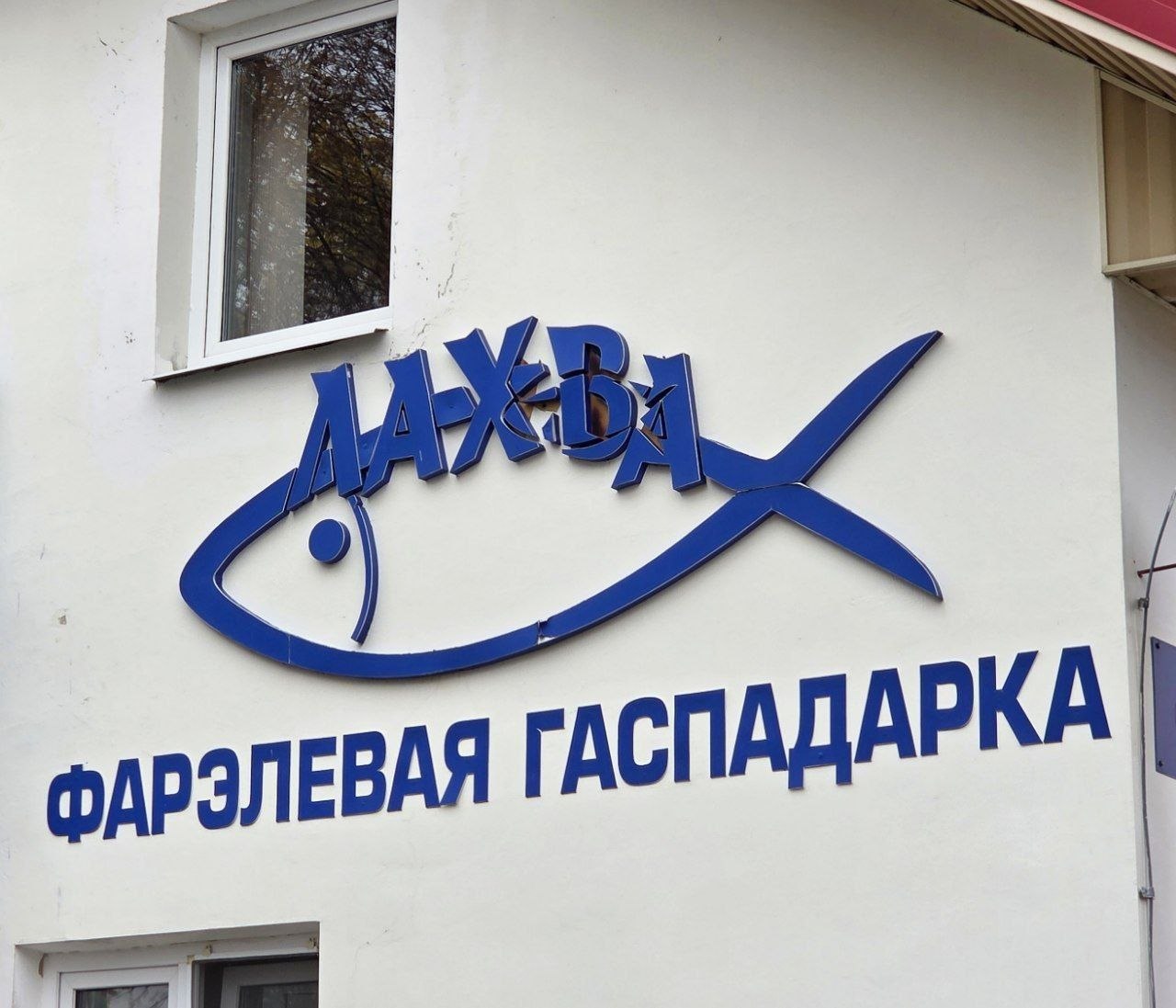
Sergey Losev Roman Rutsy 03.11.2026 At the Lokhva Fish Farm (Bykhov district), the processing facilities were modernized over three months. The enterprise, one of the largest producers of rainbow trout in the country, is expanding its range and betting on import substitution.
As the farm's director, Yuri Kuksenkov, explained, today Lokhva is a fish holding company that includes the Paluzh fish farm. Fish production has increased fivefold, which required an expansion of processing capacities.
"In 2027, when we reach full capacity, we will produce 2.5 thousand tons of fish. Therefore, we increased production to be able to process such a quantity. We will produce chilled fish at the Paluzh fish farm, and here we will produce finished products," the director noted.
According to him, the greatest demand is for fish weighing around 1 kg, which is suitable for the average Belarusian family. Larger individuals (from 1.5 kg) are sent for processing.
The updated workshop has new smoking ovens, equipment for producing caviar, dried and salted fish, and preserves. As the head of the production site, Natalya Sivakova, explained, the site has been operating since 2014, but a lot has changed over this time.
"Now we have a drying oven, equipment for processing caviar and preserves. We produce smoked and salted fish. We supply all regions of Belarus with our products. We work on orders - we don't work for storage, the products are shipped immediately," Natalya Sivakova noted.
With the new equipment, the enterprise can produce more than 1 ton of finished products per day. The distinctive qualities of domestic trout are strict quality control, research on 15 laboratory parameters, and production exclusively from chilled fish.
"22 thousand tons of trout are imported into Belarus every year. And therefore, we do not plan to stand still, because there is room for growth. We want to feed the country's residents with high-quality Belarusian fish," Yuri Kuksenkov summed up. Photo by Roman Rutsy
Subscribe to our news at