Menu
Junk cars under pressure: abandoned vehicles will be removed three times faster
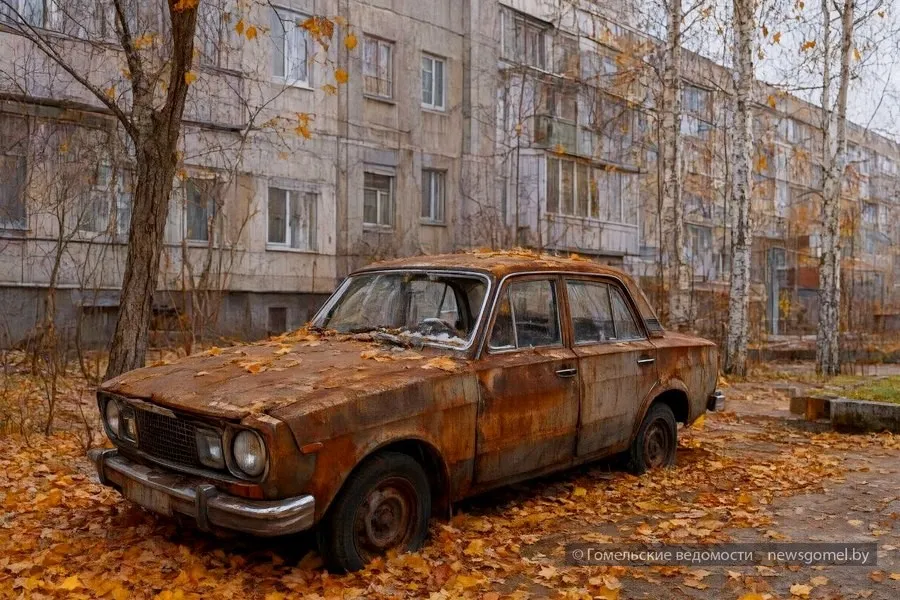
Cars that have been rusting away for years in courtyards and on the sides of roads will finally cease to be a permanent part of the landscape. As of November 13, the main provisions of a decree come into effect, which radically simplifies the procedure for evacuating and recognizing unattended vehicles as ownerless.
The first and, perhaps, main innovation concerns the search for the owner. Previously, housing and utilities workers sent requests through executive committees, and responses could take weeks. Now, municipal services will be able to request information directly from the traffic police, banks, insurance companies, and vehicle inspection stations. Moreover, they will be provided with data on the registration of the vehicle, traffic violations, and individuals who have taken out insurance. This not only allows for faster identification of the owner but also more accurately determines who is actually responsible for the abandoned car.
The second amendment closes a loophole that dishonest owners have been taking advantage of. Previously, court proceedings were delayed if the addressee deliberately did not collect a notification from the post office. Now, the rule is stricter: if a registered letter is sent but the recipient does not collect it, the document is considered officially handed over exactly 10 calendar days after it was sent. For the courts, this eliminates the need to prove the fact of actual receipt, and for owners, it serves as a signal: ignoring correspondence is no longer an option.
The third change affects the key stage of the process. The deadline for submitting an application to the court to recognize a car as ownerless and transfer it to local authorities is reduced threefold, from 30 to 10 days. This stage was the longest: while the claim was being considered, the car continued to occupy space in a parking lot or courtyard. Now, the entire process from notification to actual disposal should become significantly shorter.
The scale of the problem that the new rules are designed to solve is eloquent. In Gomel alone, during the first half of 2026, the traffic police identified 83 abandoned cars - and this does not include those that have been standing in courtyards for years and did not fall under the raids. And it's not just about aesthetics: rusting bodies, broken batteries, and tanks pollute the soil and water, and abandoned vehicles interfere with street cleaning and snow removal.
For residents of courtyards where "monuments" of the automotive era have been standing for years, this means faster clearance of the territory. For municipal workers, it means fewer barriers. And for owners of old cars, it's a clear signal: if a car has not been used for a long time, it's better to resolve its fate independently, before it's recognized as ownerless without your participation.