Menu
It has been announced who received the Nobel Prize in Economics.
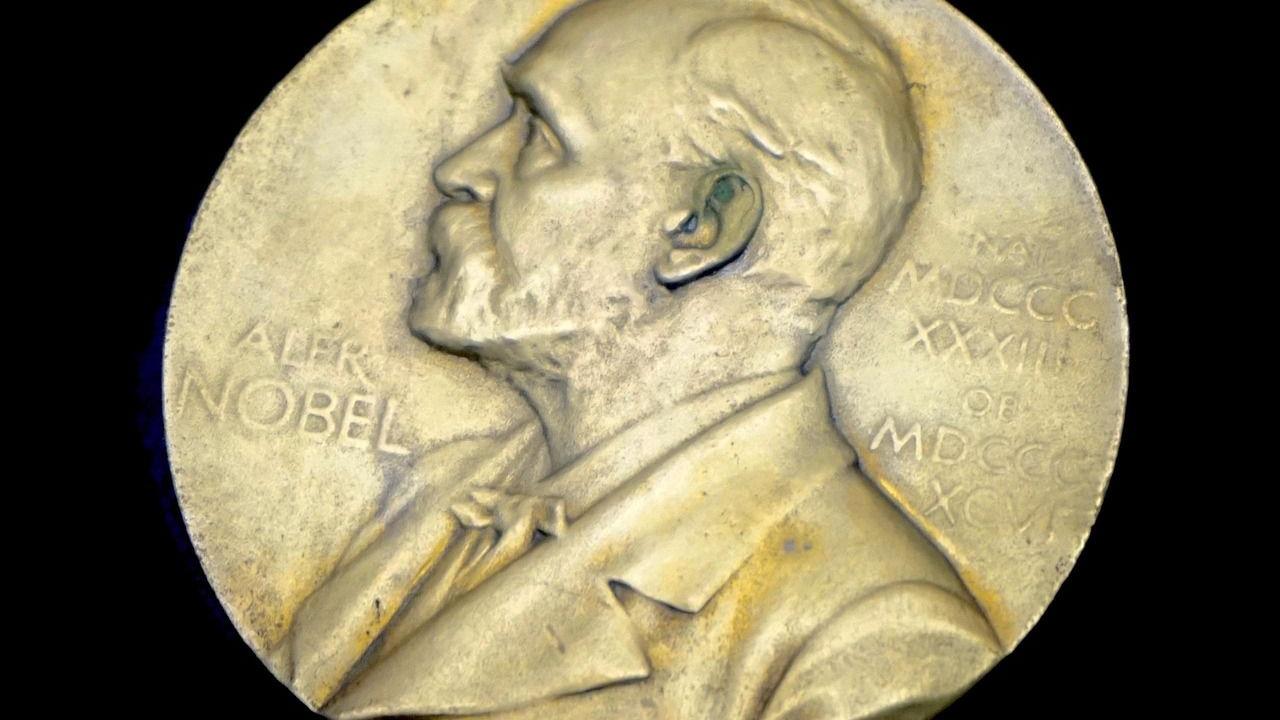
In 2026, the Nobel Prize in Economics was awarded to Michael Woodford (Columbia University, USA) and Robert E. Hall (Stanford University, USA). The citation reads: for the microeconomic foundations of macroeconomic stabilization.
This is reported by the official website of the prize.
The committee emphasized: the models proposed by the laureates help governments and central banks mitigate economic downturns and recoveries.
The Nobel Committee noted that Hall and Woodford demonstrated how economic models can be restructured to activate stabilization policy. Their approach differs from previous practice: macroeconomic processes are explained not only by connections between aggregate indicators but also by decisions of many individual participants.
According to this logic, households and enterprises look ahead. They choose savings levels or set prices with an eye toward the future. If the government and central bank announce their plans in advance, they can influence this outlook and thereby steer the economy in the desired direction. As noted, timely fiscal and monetary measures are capable of smoothing downturns and recoveries.
The practical value of the work has already been confirmed: since the implementation of such models, they have proved useful in combating economic downturns.
The laureates' work has provided a solid theoretical foundation for models currently used by central banks and governments around the world. Thanks to them, we are better prepared to overcome economic shocks such as energy crises or sudden changes in household consumption volumes, said John Hassler, chair of the Committee for the Award in Economic Sciences.
The Alfred Nobel Memorial Prize in Economic Sciences