Menu
Intent and negligence
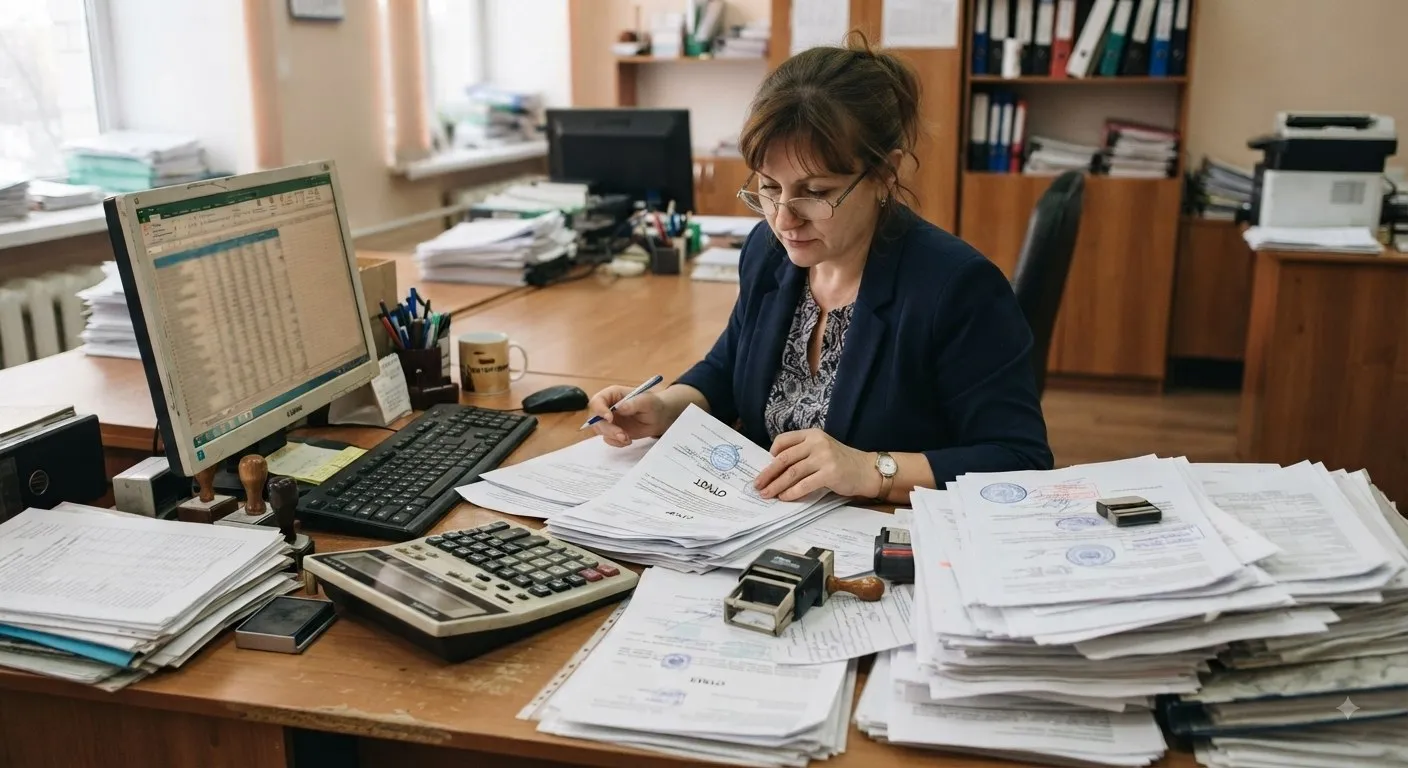
Subsidiary liability is the obligation of a director or business owner to settle with creditors at their own expense. Often, an enterprise that has fallen into insolvency already has no assets whatsoever. And if it is proven that the company owner, through their actions, led the company to bankruptcy, they cannot escape liability.
The firm and the individual entrepreneur had a single accountant and a social media page. Even tax returns were filed from the same IP address.
Intent and negligence
For example, in 2012 a woman from Gomel registered a company where her mother-in-law became the director and her husband the deputy. Thirteen years later, the private enterprise was declared bankrupt, liquidation proceedings were opened, and creditors submitted claims totaling almost 200,000 rubles. The company itself had no funds in its account to pay the debts, nor any property that could be used to settle the obligation.
Already during the bankruptcy procedure it turned out that the mother-in-law was a director only in name. All matters of the company were handled solely by her son. In particular, it was he who decided to transfer dividends to his wife in the amount of almost 260,000 rubles.
It was also established that this man was subject to a ban on registering new legal entities. The reason is that he had already founded two companies, which later were declared bankrupt due to non-payment of substantial tax sums. Another limited liability company that he created was liquidated by a decision of the registering authority.
In the new company registered in his wife's name, the Gomel resident did not fully reflect revenue, which led to significant sums not reaching the budget.
During the court proceedings, the court concluded that the private enterprise ended up in debt due to the dishonest actions of the deputy director. He was ordered to pay the company almost 200,000 rubles of subsidiary liability for the enterprise's obligations. The decision was not appealed and entered into legal force.
– Such cases in the practice of the economic court are few, but the satisfaction rate of claims is very high, practically one hundred percent, – explained Valentina Pugacheva, a judge of the Gomel Regional Economic Court. – Since October 2023, issues of attracting subsidiary liability have been transferred to the competence of the creditors' meeting. Now the anti-crisis manager cannot avoid filing a lawsuit in court when such a decision exists.
Двое из ларца
- In such situations, small firms are more often affected. The goal of founders and managers operating outside the legal framework is personal enrichment. Therefore, they usually conduct their activities for a short time and only accumulate debts. They do not have a significant, let alone positive, impact on the regional economy, said Valentina Pugacheva.
Another firm systematically underreported revenue by accepting cash off the books. The gray schemes were documented. The result – the enterprise was declared bankrupt.
It turned out that the founder and director of the enterprise (the same person) was also registered as an individual entrepreneur. It would have been fine if both business entities were not engaged in the same type of activity: production and sale of pizza, sushi, rolls, salads, and drinks. Moreover, both the firm and the IP were located at the same address, with no clear division of the occupied premises. They purchased raw materials simultaneously from the same suppliers, filed tax returns from a single IP address, and even had one accountant and one social media page for the two business entities.
Furthermore, they used shared cash registers. Consequently, all of the firm's trade revenue from the moment of its registration – that is, 2021 – went to the individual entrepreneur's settlement account. In addition, the entrepreneur concealed the firm's income received off the books.
- The court ruled that the bankruptcy of the private enterprise was caused by the intentional actions of its founder (who is also the director), said Judge Valentina Pugacheva. – In favor of the firm that lost solvency, he was held subsidiary liable for a total amount exceeding 1.3 million rubles. The decision entered into legal force, and the defendant did not appeal it within the prescribed period.
The firm went bankrupt and remained indebted to creditors for almost 150 thousand rubles. However, the director continued to dispose of the money at his discretion, using the firm's property for personal purposes. Minus the firm, minus the second.
There are other similar cases. In 2023, a resident of Gomel established a passenger transport company. A year later, the court ruled to liquidate it for serious violations: failure to pay taxes, operating without cash registers and payment terminals. However, after that the company continued to operate, which is prohibited by law, and was fined. Another year later it went bankrupt and remained indebted to creditors for almost 150,000 rubles. But the director kept appropriating the company's money and disposing of it as he saw fit, and used the assets for personal purposes, thereby depriving the possibility of settling the accrued debt.
The court established: the enterprising man registered four more companies and also worked as an individual entrepreneur. Due to his dishonest actions, one of these companies went bankrupt, and he was held subsidiary liable in the amount of over 250,000 rubles.
In the new company, the outcome was the same: almost 150,000 rubles were recovered from the negligent entrepreneur for the benefit of the enterprise. The money went to the creditors.
– A person can be held subsidiary liable if they intentionally performed their official duties dishonestly or failed to perform them at all when such a managerial decision was necessary for the company, – explained Valentina Pugacheva, judge of the Gomel Regional Economic Court. – I emphasize that unreasonable or dishonest work of the founders, dire