Menu
In China, a new service is gaining popularity. $15 a month for taking out trash from apartments.
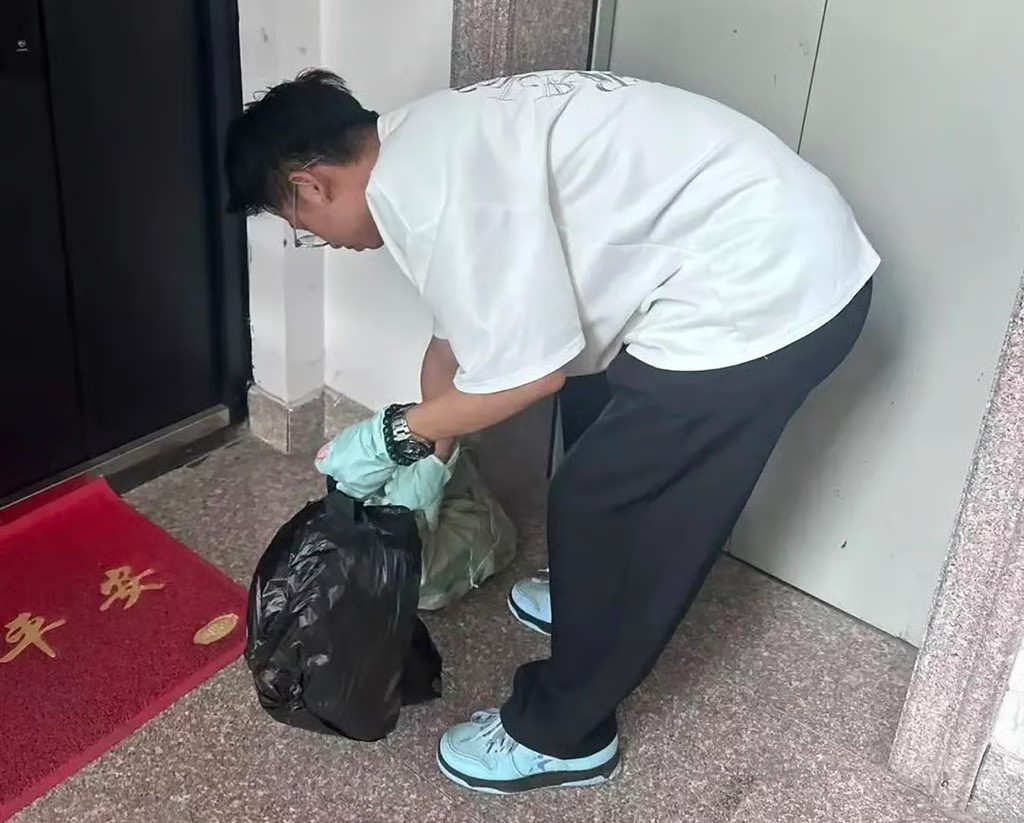
In Chinese cities, a new segment of the “lazy economy” is gaining momentum: paid household waste removal. What is usually considered a minor chore on the way out of the house has become a separate service with a fixed rate, writes the South China Morning Post.
On social media platforms, young entrepreneurs offer to take out trash for 3–5 yuan ($0.45–0.75) per bag or 100 yuan ($15) for monthly service. The client only needs to leave the bag at the door, and the courier takes care of the rest.
The service quickly found an audience. People with depression admit that they avoid leaving the house and prefer to appear outside at night, so help with trash is critical for them. In Shanghai, where a strict waste‑sorting system is in place, some residential complexes allow trash to be discarded only during two two‑hour windows in the morning and evening. Office workers often cannot be home during those times and are willing to pay for convenience. Stay‑at‑home folks also actively use the service.
There is also a social aspect. In Jiaxin, a team led by an entrepreneur named Fei helps elderly people living on upper floors without elevators. She received only three orders in the first month but expects growth and plans to collaborate with local communities. In Hangzhou, another entrepreneur, Mi‑han, gathered more than twenty orders in the first three days of operation and sometimes also picks up parcels for clients for an additional fee.
According to Mi‑han, the main factor of success is the service’s affordability. Office workers are willing to pay a small amount to save time and avoid household inconveniences. At the same time, other lazy‑economy services are growing: parcel collection for 3–5 yuan, and a pricier service that picks up children from school (about 50 yuan per trip).
The new trend shows how quickly micro‑services that address narrow household needs are forming in China, and how the willingness to pay for time savings is becoming a norm for the urban middle class.