Menu
How to use ash in the garden: fertilizer, feeding, protection from diseases and pests — a detailed guide
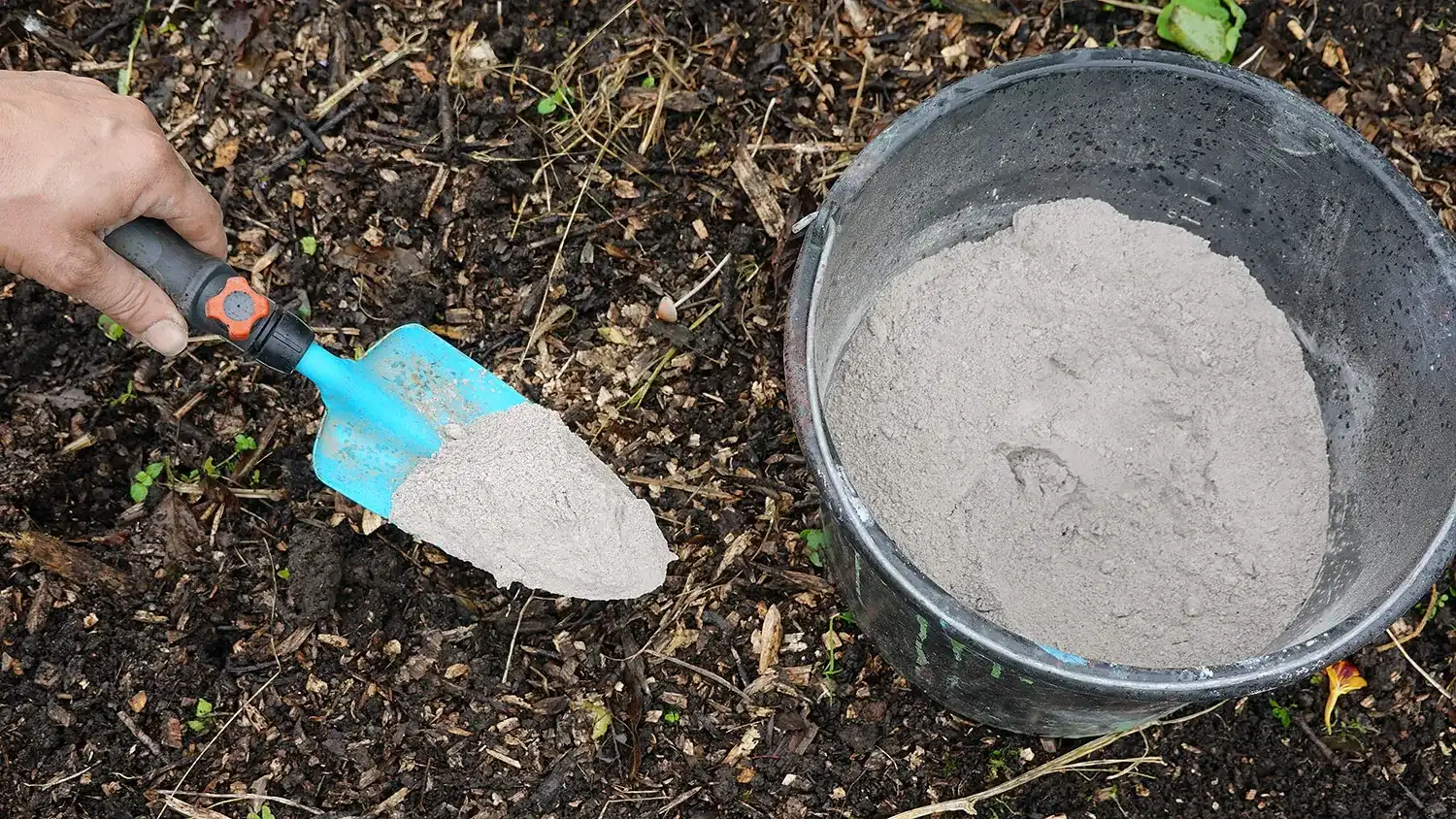
Ash is the noncombustible residue produced when burning coal, peat, firewood, straw, and other materials. It contains all the nutrients essential for plant growth, except nitrogen, which is lost during combustion. Ash is especially rich in potassium. Moreover, it is carbonic potassium. It is readily soluble in water and available to plants. The highest potassium content in ash comes from the stems of sunflower, dandelion, buckwheat; less is found in the ash of grain breads, and even less in wood. Peat is low in potassium, and ash from bituminous coal contains almost none. Unlike industrial potassium fertilizers, ash contains almost no chlorine. Therefore, it is especially effective for crops sensitive to the presence of this element in the soil (potato, strawberry, raspberry, etc.).
Phosphorus in ash is significantly lower than potassium, but it is also present in a plant‑available form. The ash of birch, pine, and wheat straw is
When ash is used together with ammonium salts (ammonium nitrate, ammonium sulfate), superphosphate, as well as fresh manure, liquid manure, and bird droppings, it should not be mixed with them in either dry or liquid form, because this leads to ammonia losses and a decline in the quality of phosphates. To avoid direct contact between ash and the aforementioned fertilizers, it is spread over the bed surface, raked into the soil to a shallow depth, and then organic fertilizers are scattered or mineral ones are spread and the soil is turned over. The effectiveness of ash under such application is increased.
To prevent the ash applied to holes from scorching tubers or seedling roots, it is mixed with compost, peat, or manure. Manure is mixed with ash immediately before application to prevent nitrogen volatilization. If no organic fertilizers are available, ash is mixed with soil when applied to holes.
Using ash for potatoes is significantly more effective than other potassium fertilizers. This is confirmed by the experience of many vegetable growers. By applying 10–12 kg of quality wood ash per
For cabbage, cucumbers, and tomatoes, add 0.5 L of solution per plant. It is better to make furrows near the plant, and after watering cover them with a thin layer of dry soil. When applying dry fertilizer, spread ash into the rows during loosening. It is useful to alternate ash fertilization with diluted cow manure, bird droppings, and manure slurry, which contain nitrogen.
The following data can help determine the weight of ash without scales.
A bucket of 10–12 L holds 5–6 kg of wood ash; a matchbox holds 10 g, a tablespoon 6 g, a glass 90–120 g; a half‑liter jar 250 g, a liter jar 500 g.