Menu
How to recognize a hidden threat and protect yourself in the fall‑winter period
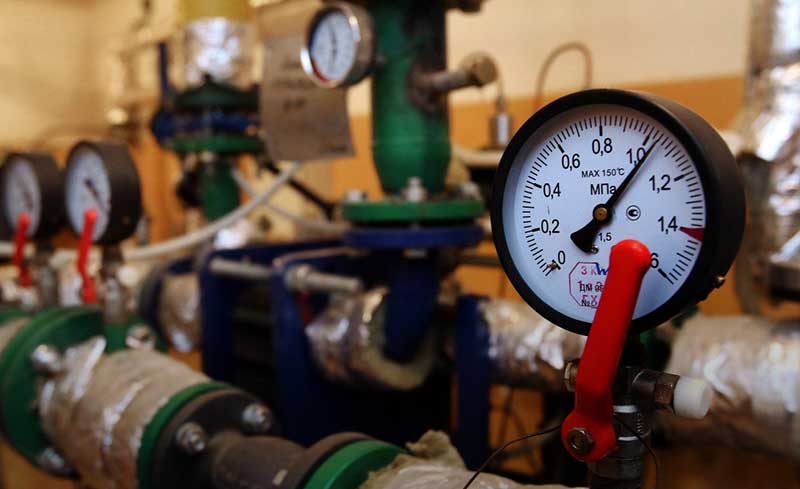
The onset of the autumn-winter period and the start of the heating season is a time of enormous strain on engineering utilities. During hydraulic tests, commissioning work, and sharp temperature fluctuations, pipelines experience critical thermal and mechanical stress. Unfortunately, this creates risks of ruptures and equipment damage, resulting in the heat carrier – hot water – being forced out under pressure, reaching critical temperatures.
The particular danger lies in the fact that leaks most often occur underground. A jet of hot water under high pressure acts like a hydro-abrasive tool: it instantly washes away the soil, creating extensive voids. Above these cavities are hidden by a crust of asphalt, a layer of soil, or a snow crust, which externally appear intact and reliable.
Falling into such a 'trap', a person ends up in an environment consisting of boiling mud, steam, and water. This inevitably leads to severe thermal burns, respiratory tract burns, and injuries from the fall. In such situations, time is measured in minutes, and the risk of a fatal outcome is extremely high.
To prevent disaster, it is necessary to know the factors signaling danger. Pay attention to the following signs:
- steaming and fog: appearance of steam clouds from manholes, inspection wells, cracks in asphalt or soil (especially in cool weather).
- temperature anomalies: unnaturally warm patches of ground in frost; places where snow melts faster; formation of ice or icicles on manholes and building walls.
- moisture and erosion: wet asphalt in dry weather, puddles of hot water, subsidence of road surface or manholes.
- sound effects: noise of running water, hissing or humming coming from underground.
It is strictly prohibited to:
- approach places of steam emission, hot water spillage, or soil erosion closer than 5–10 meters.
- attempt to shut off valves or stop the leak on your own.
- jump over washouts or bypass barriers of emergency sections.
- leave children unattended near manholes and steaming areas.
- drive vehicles across flooded or steamed road sections (high risk of the vehicle collapsing into the formed cavity).
Algorithm of Actions Upon Discovering an Incident
If you notice signs of a heat network rupture, steam leakage, or water spillage, act quickly and competently:
- Secure the dangerous zone using makeshift means (branches, stones, snow embankments, tape).
- Warn passersby and drivers about the presence of danger.
- Immediately report the incident to the emergency dispatch service (indicate the exact address and nature of the danger).
Take care of yourself and your loved ones! Timely reporting of the accident is the key to safety.