Menu
How to Protect Yourself from Financial Losses When Transporting Goods
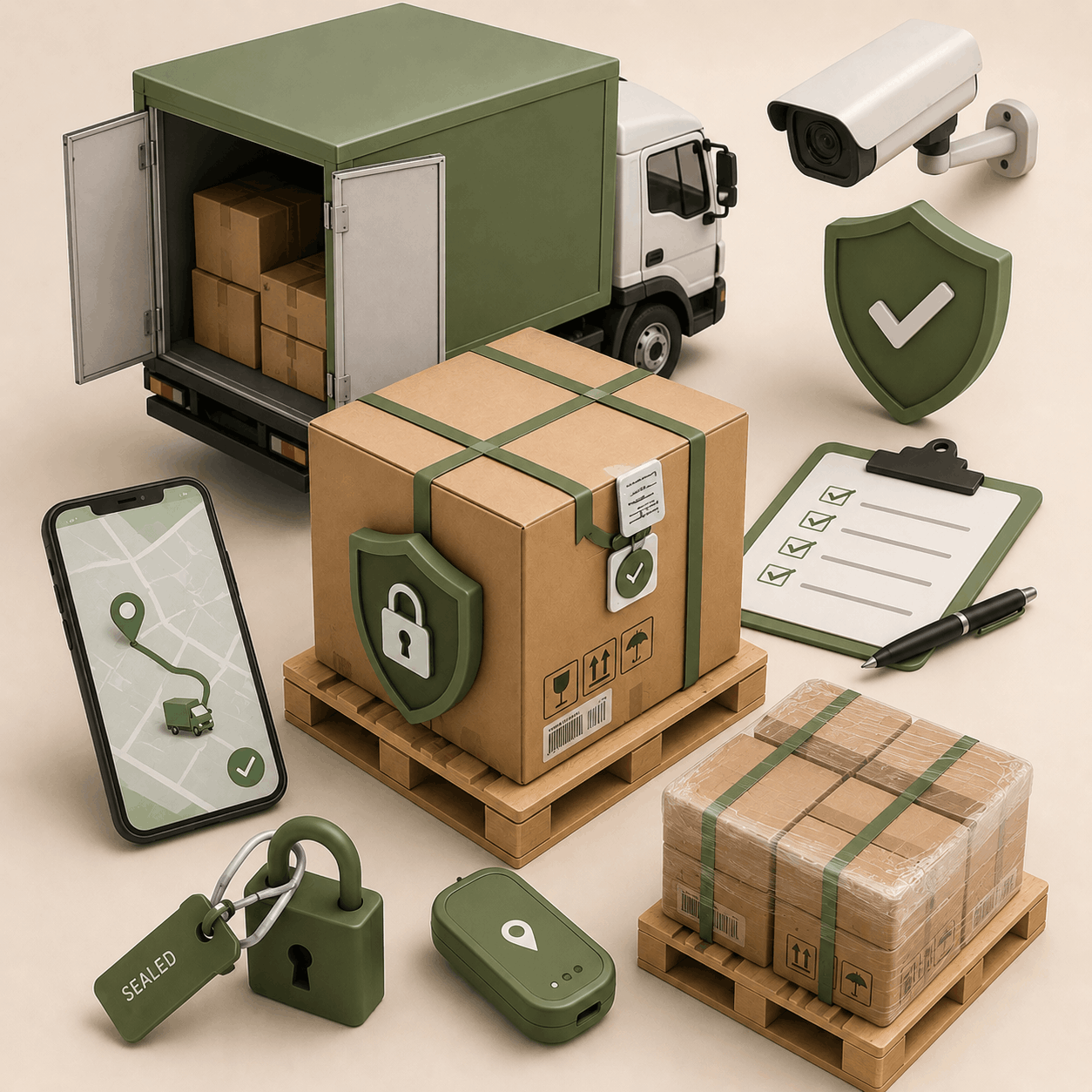
Transporting goods involves more than just arranging delivery, meeting deadlines, and ensuring the safety of the property. For the owner of the goods it is also important to understand how to compensate for potential losses if the property is damaged or lost in transit. Even when transport rules are followed, it is impossible to completely eliminate the likelihood of such situations.
That is why many companies view cargo insurance as one of the tools to protect their business.
What risks can lead to losses during transport
During transport, property can be damaged for various reasons. As a result, the owner risks incurring financial losses even if the responsibility for what happened lies with another party.
The most common situations are:
damage to cargo – goods may be harmed during transport, storage, or during loading and unloading operations;
partial loss of shipment – shortages of product often become the cause of financial disputes between parties;
violation of transport conditions – failure to meet requirements for temperature control, packaging, or storage can affect product quality;
errors in delivery organization – the human factor cannot be completely eliminated even with well-established processes;
consequences of unforeseen circumstances – accidents, adverse weather conditions, and other external factors can also affect the outcome of the transport.
The possibility of receiving compensation for losses depends on the circumstances of what happened and the terms of the contract. Therefore, before issuing a policy it is important to study the list of covered risks, exclusions, the insurance sum, and the procedure for claiming a payout.
Why insurance becomes part of risk management
Insurance allows you to predefine the procedure for compensating potential losses. If a contract‑specified event occurs, the cargo owner contacts the insurer, provides the necessary documents, and goes through the claim settlement process.
This approach helps solve several important tasks:
Compensate for damage. When an event is recognized as insured, the property owner receives compensation within the terms of the contract and the established insurance sum.
Reduce financial burden. The payout helps compensate covered losses without the need to first seek reimbursement directly from the carrier.
Maintain business resilience. Insurance protection allows you to account for potential losses when planning activities and managing risks.
Separate the compensation procedures. Receiving a payout from the insurer and establishing the carrier’s liability are distinct processes that can be carried out in accordance with the law.
After the compensation is paid, a subrogation mechanism may apply. This means that within the paid amount, the insurer acquires the right of claim that the cargo owner had against the party responsible for the damage. If that party is the carrier, the insurer is entitled to present a corresponding claim to them, provided there are legal grounds.
When choosing insurance protection, it is worth comparing the offers of several insurance companies, paying attention to coverage limits, exclusions, and the procedure for receiving compensation. In particular, you can review the terms of imkliva insurance and compare them with your business needs and the characteristics of the goods being transported.
A comprehensive approach to cargo protection helps the property owner reduce the financial consequences of unforeseen situations and understand in advance how compensation will be organized in the event of damage or loss of goods.